The real charm of Filipino nicknames are more about affection, familiarity, family history and belonging.
Your birth certificate may say Christopher, Maria Cristina or Ramon. But to everyone who
actually knows you, you could simply be Bong, Baby, Junjun, Inday or Boy.
Nicknames are so deeply embedded in Filipino culture that some people go through practically their entire lives without hearing friends and relatives use their legal names. And unlike in many cultures where childhood pet names eventually disappear, a Filipino nickname can follow you from the crib to the office, the barangay hall and even old age.
A 70-year-old grandfather can still be “Boy.” A grandmother can remain “Baby.” And nobody finds it particularly strange.
Jun, Junjun and the Filipino love for repeating things
Perhaps nothing screams Filipino nickname quite like reduplication.
Bong becomes Bongbong. Jun becomes Junjun. Jo becomes Jojo. Len becomes Lenlen. Tin becomes Tintin. Den becomes Denden.
The formula is ridiculously simple: find a syllable and say it twice.
This habit is hardly unique to personal names. Reduplication is deeply embedded in Philippine languages, making repeated sounds feel natural, rhythmic and affectionate. That may help explain why names like Bongbong, Jojo, Gigi and Lotlot sound perfectly ordinary to Filipino ears.
Every family seems to have a Jun
“Jun” is traditionally associated with “Junior,” especially for a son named after his father. “Junjun” makes the nickname even more affectionate.
Then there are the other seemingly immortal male nicknames: Boy, Boyet, Buboy, Totoy and Toto.
They may have begun as names for little boys, but growing older does not necessarily mean graduating from them. Somewhere in the Philippines is almost certainly a corporate executive, barangay official or grandfather still answering to “Totoy.”
Baby can be a lola
Women have their own collection of nicknames that refuse to acknowledge the passage of time.
Baby and Beb can survive well into adulthood. Nene and Neneng traditionally evoke a young girl or daughter but can remain attached to a woman for decades.
Then there are Gigi, Jiji, Lenlen and Tintin—nicknames that may have originated from longer given names but eventually become identities of their own.
Sometimes the connection to the legal name becomes so obscure that only the family remembers how the nickname started.
Inday, Dodong and where you grew up
Nicknames can also reveal geography.
In the Visayas and parts of Mindanao, “Inday” or “Day” is a familiar way of addressing a girl or woman, while “Dodong” or “Dong” is commonly associated with boys and men.
These are not necessarily shortened versions of legal names. They function more like affectionate forms of address that can become permanent personal labels.
Someone named Maria Lourdes could therefore spend her entire life being known simply as Inday.
Then there’s Bunso
Filipino families also turn family positions into names.
“Bunso,” literally the youngest child, can become such a familiar form of address that relatives continue using it long after the youngest sibling has children—or grandchildren—of their own.
The same cultural instinct explains why Ate, Kuya, Manong, Manang and other kinship terms can function almost like names. Filipino identity is often relational: who you are can be tied to where you belong in the family or community.
The mystery of Bing, Ding, Ping and Tong
And then we enter one of the most wonderfully inexplicable corners of Filipino nickname culture.
Bing. Ding. Ping. Ning. Ging. Jing. Bong. Tong.
Sometimes there is a logical connection to the person’s real name. Sometimes there isn’t.
The nickname may have come from a childhood mispronunciation, a sibling who couldn’t pronounce the baby’s name, a physical characteristic, an inside joke—or something a parent simply invented decades ago.
Eventually, nobody asks anymore.
That may be the real charm of Filipino nicknames. They don’t always have to make sense.
They are less about what appears on an ID and more about affection, familiarity, family history and belonging.
Your government name may tell people who you legally are.
But if somebody across the street shouts “Junjun!” and you instinctively turn around, that’s probably the name that tells everyone who you are at home.
READ:

Nathaniel, Althea are the common names today for Filipino babies
Top Dagohoy
August 22, 2026

A bad name can last a lifetime
radar Lifestyle
June 24, 2026
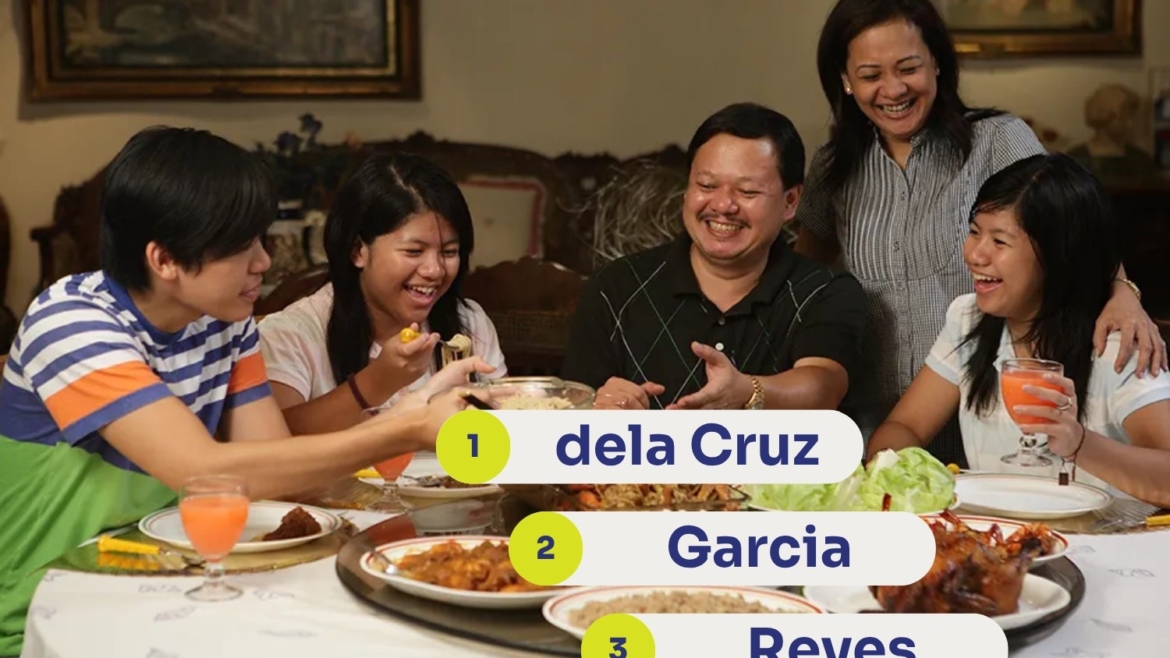
100 most common surnames in the Philippines based on the latest data from Forebears
Kieth Earl Rebaño
April 12, 2026