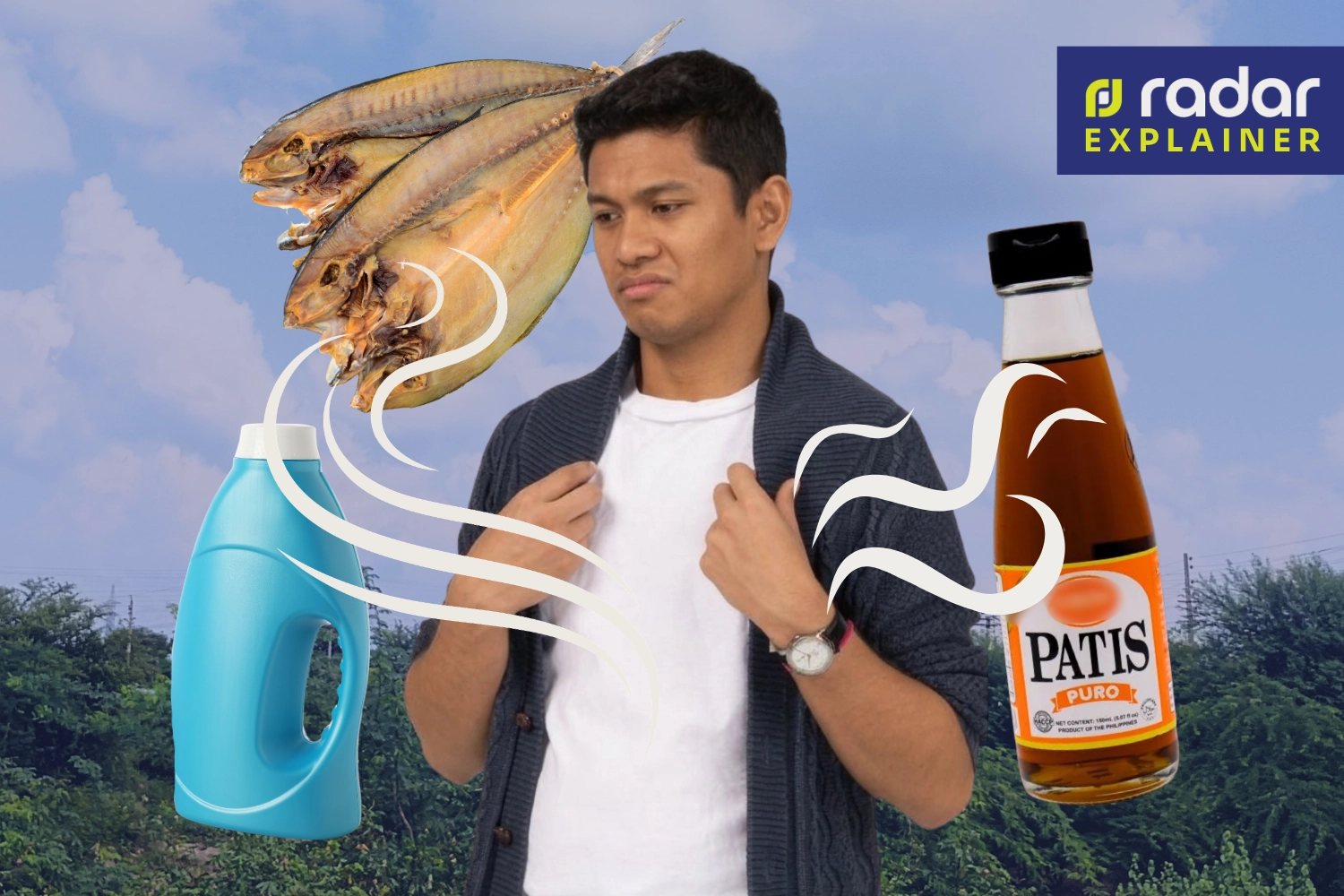
Walk into a room full of Filipinos abroad, and according to a curious stereotype circulating online, you might encounter a familiar combination of scents: fish sauce, dried fish, and heavily perfumed laundry.
Some even jokingly associate Filipinos with the buttery smell of popcorn.
But is there any truth to the idea that foreigners can identify Filipinos simply by how they smell?
The short answer is no. There is no credible scientific evidence establishing that Filipinos have a distinctive national body odor resembling patis, tuyo, popcorn, or fabric conditioner.
What exists instead is a mixture of cultural habits, cooking practices, personal anecdotes, and stereotypes amplified by social media.
When food becomes a scent
Filipino cooking frequently involves aromatic ingredients such as patis, bagoong, garlic, vinegar, and dried fish.
These ingredients release volatile compounds during cooking, some of which can linger in enclosed spaces and attach to clothing, curtains, and hair.
For Filipinos living overseas, particularly in apartments with limited ventilation, cooking odors may remain noticeable long after meals have been prepared.
But smelling like something cooked in the kitchen is not the same as having that smell naturally produced by the body.
The same phenomenon occurs in households that regularly prepare curries, grilled meats, fermented foods, and other strongly aromatic dishes.
The fabcon factor
Another scent associated with Filipino households is fabric conditioner.
In the Philippines, where high humidity can make drying clothes difficult, strongly scented detergents and fabric conditioners are popular ways of keeping laundry smelling fresh.
These fragrances can remain on clothing for hours or even days.
Someone accustomed to fragrance-free laundry products might find these scents particularly noticeable.
But there is no reliable evidence establishing that Filipinos use more fabric conditioner than other nationalities or that foreigners consistently recognize Filipinos through laundry fragrances.
What science says about Filipino body odor
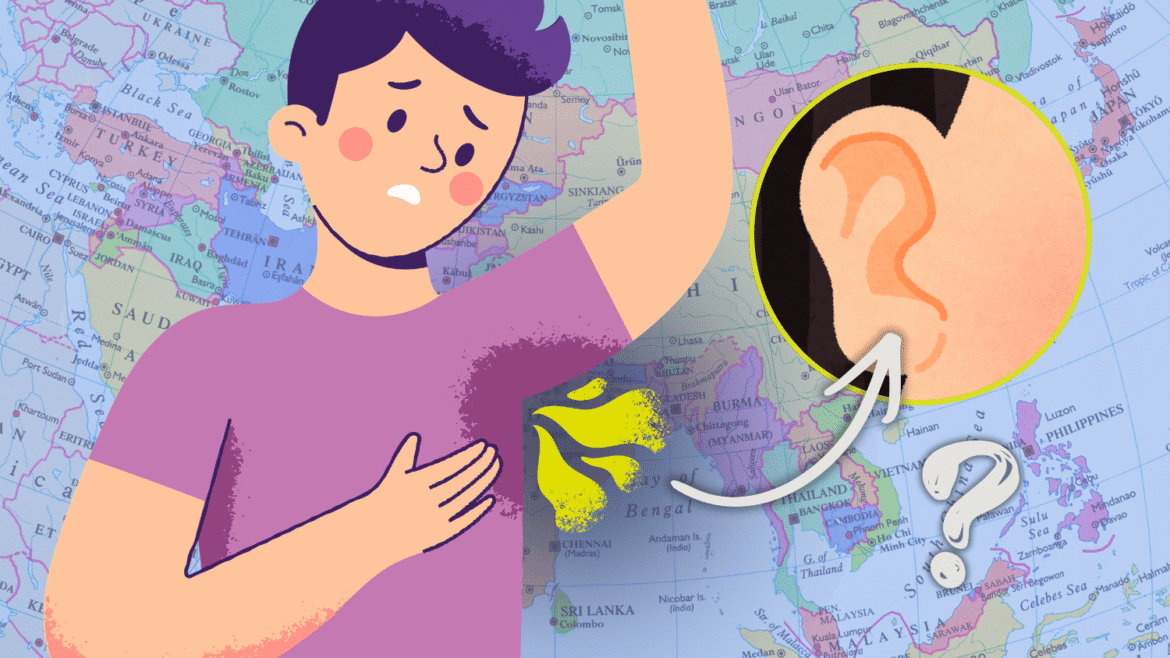
Interestingly, scientists have investigated genetic differences in body odor, including among Filipinos.
A 2010 study published in the “Journal of Investigative Dermatology” identified the ABCC11 gene as an important factor in producing characteristic underarm odor.
Certain variants of this gene substantially reduce the production of odor-forming compounds. These variants are especially common among East Asian populations.
A separate study published in the “Journal of Dermatological Science” examined ABCC11 variations among Filipino women in Manila, confirming that this genetic characteristic is also relevant to Filipinos. However, the findings cannot establish a single body-odor profile for the entire Filipino population.
The Cleveland Clinic also explains that body odor depends on interactions between sweat and skin bacteria, while diet, hormones, medications, and medical conditions can influence how someone smells.
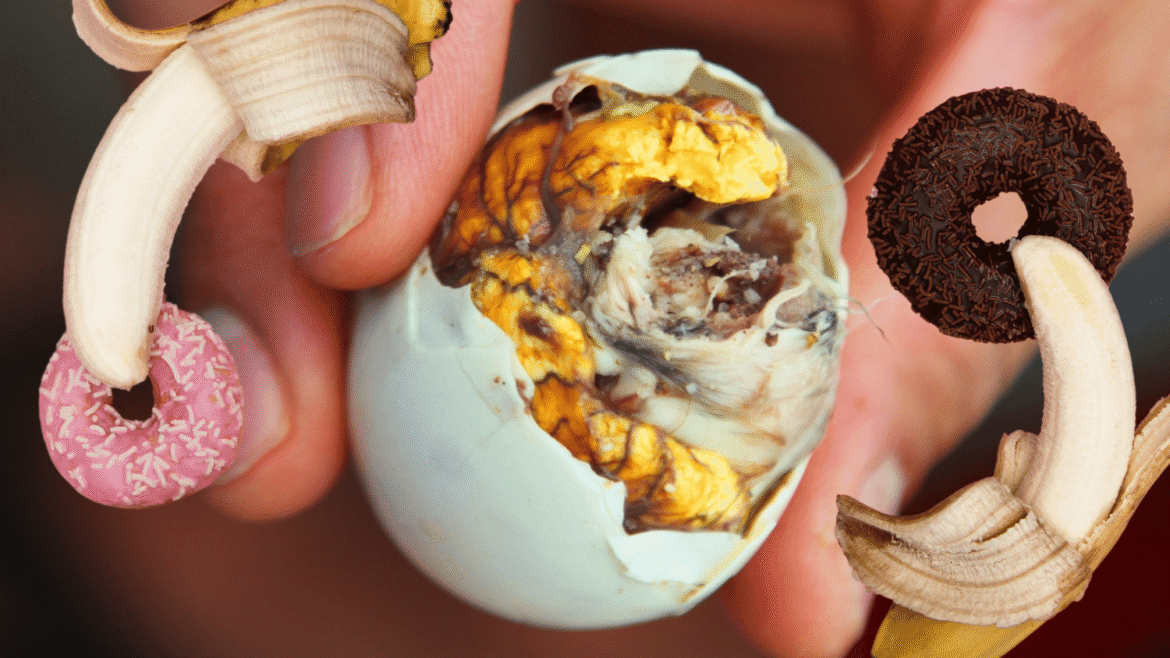
But what about popcorn?
The popcorn comparison is particularly difficult to substantiate.
There is no established scientific evidence that Filipinos naturally smell like popcorn or that foreigners commonly associate this scent with Filipinos.
Certain metabolic conditions can produce sweet or unusual odors, but these are individual medical phenomena, not characteristics of nationality.
The verdict
The stereotype may have recognizable cultural origins, but the broader claim remains unsupported.
Cooking aromas, scented laundry products, and personal fragrances can certainly influence how individuals smell. However, these are environmental factors shared by people around the world.
More importantly, there is no credible population-level research demonstrating that foreigners generally identify Filipinos through the smell of patis, dried fish, popcorn, or fabric conditioner.
Ultimately, what someone identifies as a distinctly Filipino smell may reveal more about cultural familiarity and personal perception than about Filipinos themselves.