It’s time to end the culture of exploiting tourists
The Philippines sells itself through breathtaking islands and legendary hospitality.
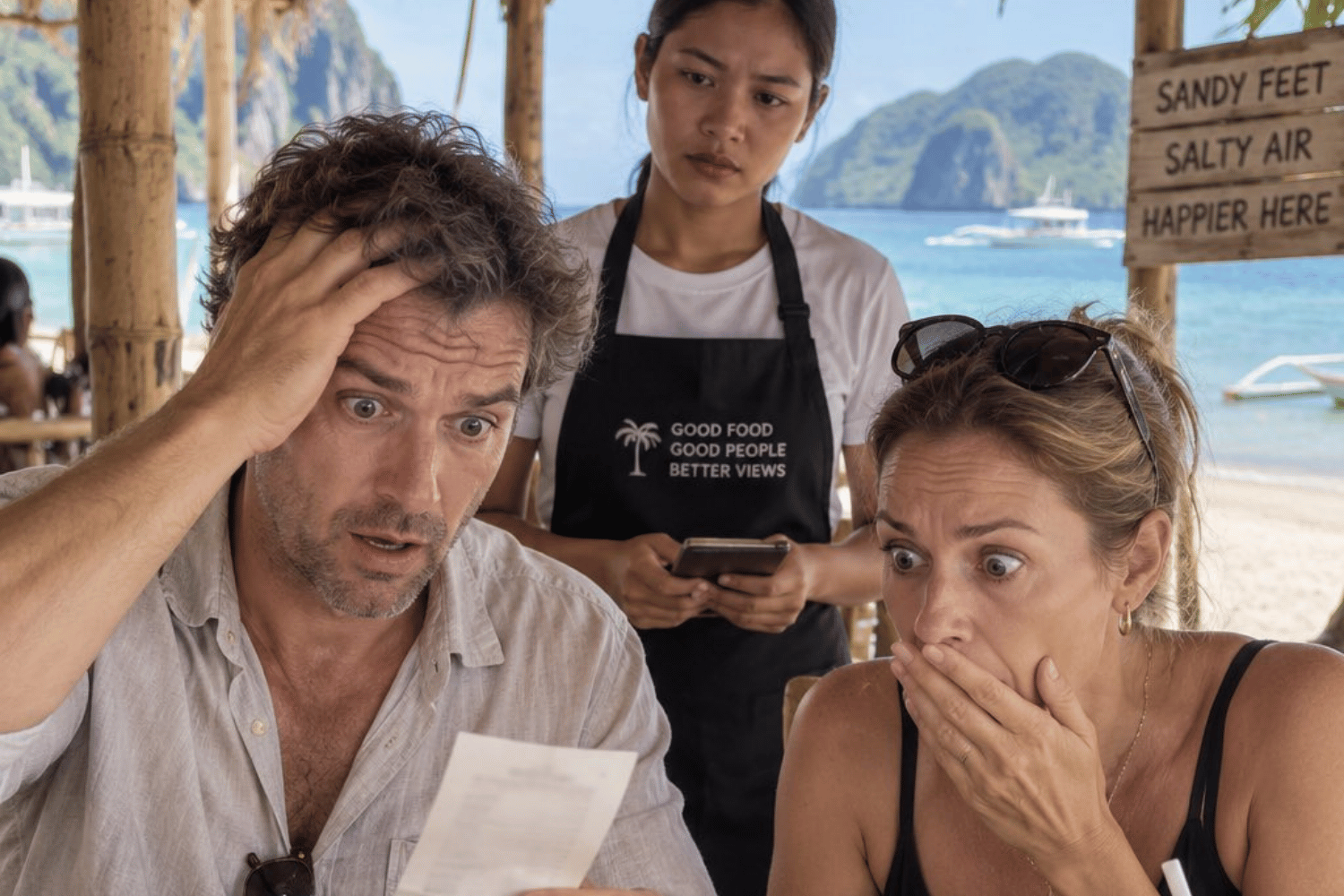
But for some visitors, the lasting memory is something uglier: getting ripped off.
Overpriced taxi rides, inflated tricycle fares, surprise charges and “tourist prices” may earn someone extra money today. Collectively, they can destroy a destination’s reputation tomorrow.
From ₱300 to ₱1,000
In April 2026, K-pop star Soobin of Tomorrow x Together recounted an alleged taxi overcharging attempt during a Cebu vacation.
He said an airport-to-hotel trip expected to cost around ₱300 was initially quoted at ₱500—before allegedly becoming ₱1,000 during the ride. The LTFRB later issued a show-cause and preventive suspension order.
Similar complaints have surfaced at NAIA. In 2025, an unauthorized taxi allegedly charged more than ₱1,200 for a short transfer between Terminals 3 and 2. The LTO later said it suspended 11 taxi and TNVS drivers following airport overcharging complaints.
In Puerto Princesa, complaints cited tricycle charges of ₱300 from the airport to a nearby restaurant, ₱1,000 to a hotel and even US$100 per person for a city tour.
Remember the ₱900 bananas?
One of the country’s most notorious cases happened in Bohol in 2022.
A group of 13 tourists visiting Virgin Island received a handwritten food bill totaling ₱26,100—including ₱800 for lato, ₱2,300 for sea urchin and ₱900 for 27 bananas.
The backlash became so intense that local authorities temporarily stopped tourism activities on the island.
One overpriced meal became national news.
End the “tourist price”
There is nothing wrong with expensive food, premium tours or luxury transportation—as long as everybody sees the same price before paying.
The problem is when a local gets one rate and a foreigner gets another.
That is not hospitality. It is opportunism.
No price list, no business
The solution can start with one uncompromising rule in tourist areas: no displayed price, no sale.
Restaurants, souvenir shops, tricycles, boats, tours and rentals should prominently display official rates. Prices must specify whether they are per person, per trip, per hour or per item.
LGUs should publish standardized transport and tour rates online and on large signs at airports, ports and tourist sites. QR codes should allow visitors to check official rates before spending a peso.
For transport, require meters or published fixed fares wherever practical. Drivers who refuse should lose their place in accredited tourist queues.
Make overcharging bad for business
Reporting should take minutes, not days.
Tourists should be able to scan a QR code, upload a receipt or photo, identify the establishment or vehicle and immediately receive a complaint reference.
Confirmed violations should bring escalating penalties: heavy fines for the first offense, suspension for the second and loss of permits, franchises or accreditation for habitual offenders.
Authorities should also publicly identify suspended operators. And enforcement cannot happen only when a celebrity complains or a scam goes viral.
Tourists are not walking ATMs
A tourist cheated out of ₱500 can tell thousands of people online.
The Philippines is competing with Thailand, Vietnam, Indonesia and the rest of the region for those visitors.
The objective should never be to extract as much money as possible from tourists today.
It should be to make them spend happily, return—and tell others that the Philippines is worth coming back to.
Beautiful beaches can bring tourists here once.
Fair prices and genuine Filipino hospitality will bring them back.
READ: