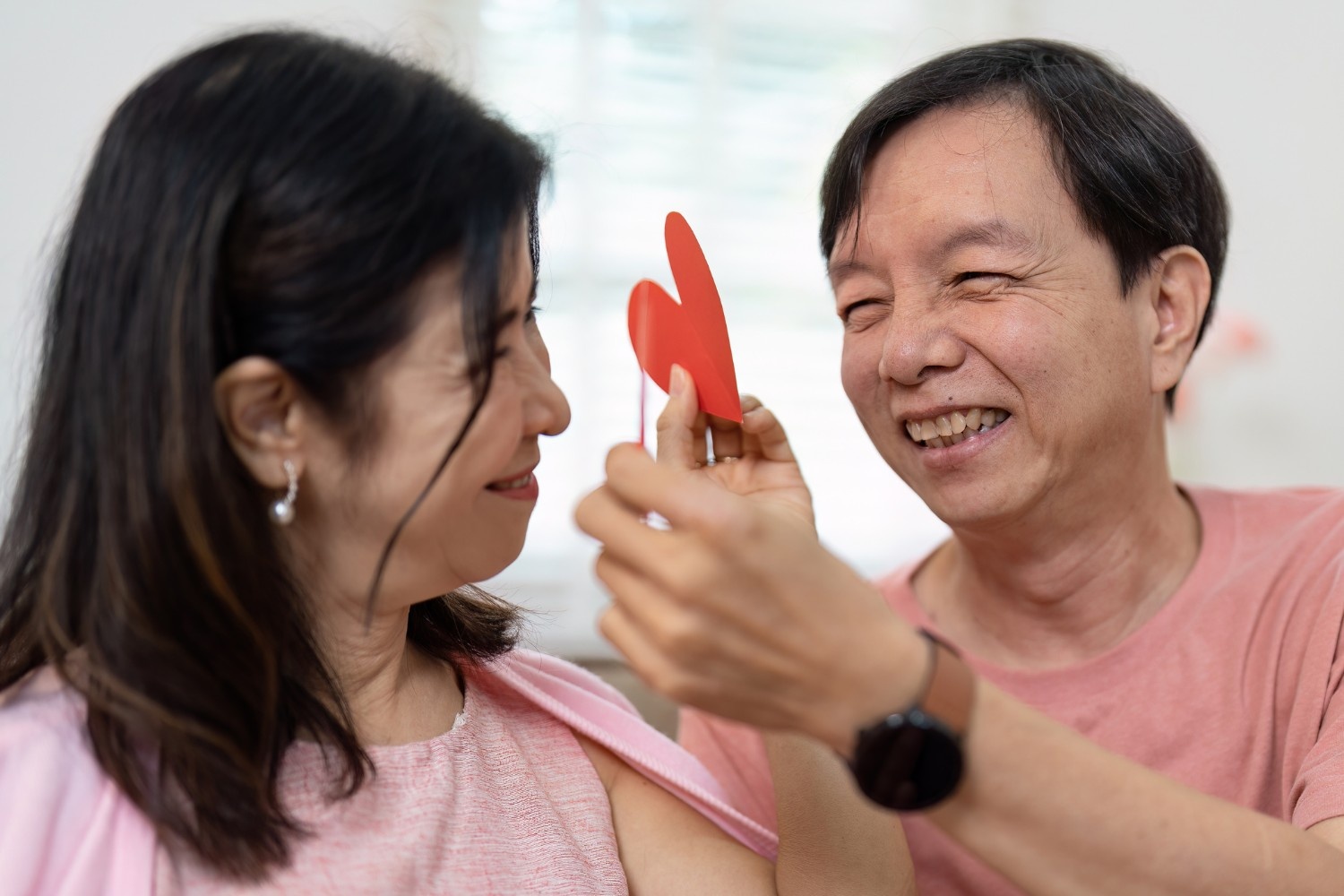
Idiosyncratic communication is a unique language shared only by partners in a relationship.
You’ve probably experienced it before. You’re visiting a married couple at their home. Both are respectable adults with careers, responsibilities, and children to raise. While chatting over coffee, the husband suddenly walks into the room and asks his wife for a snack in an exaggerated baby voice. She responds with an equally silly nickname. They laugh. You cringe a little. Their teenage children roll their eyes and pretend this happens every day.
As strange as it may seem, psychologists say this kind of behavior is often a sign of a happy and secure relationship.
Many adults spend their days acting serious. They deal with work deadlines, household bills, family obligations, and countless other responsibilities. But around a trusted partner, those defenses often disappear.
That’s why many couples develop their own private world filled with pet names, inside jokes, funny voices, and playful behavior that nobody else gets.
Researchers call this “idiosyncratic communication”—a unique language shared only by the couple. Far from being immature, it helps strengthen their sense of connection and belonging.
It creates a feeling of safety
Relationship experts explain that baby talk resembles the soft, affectionate way adults naturally speak to infants. Those tones are associated with comfort, care, and emotional security.
When couples use similar speech patterns with each other, it can trigger the release of bonding chemicals such as dopamine and oxytocin, helping them feel closer and more connected.
In simple terms, acting cute around a partner can actually strengthen emotional intimacy.
It shows trust
Most people spend their lives trying to appear competent and composed. Romantic relationships are often the one place where they can drop the act.
Being goofy, childish, or silly requires vulnerability. It means trusting that your partner won’t judge you for showing your least polished self.
The ability to act that way is often a sign that both people feel emotionally safe.
It helps relationships last
Playfulness can also help couples navigate stress and conflict. A joke, a nickname, or a silly voice can soften tension and remind both partners that they’re on the same team.
Research has found that couples who freely engage in playful communication often report higher relationship satisfaction and stronger emotional bonds.
So the next time you hear a grown man call himself “baby” or watch a couple communicate through strange nicknames, don’t be too quick to judge.
What looks childish from the outside may actually be one of the clearest signs of a healthy, loving relationship.
READ: