“What-if” videos show the roads people want — and deserve.
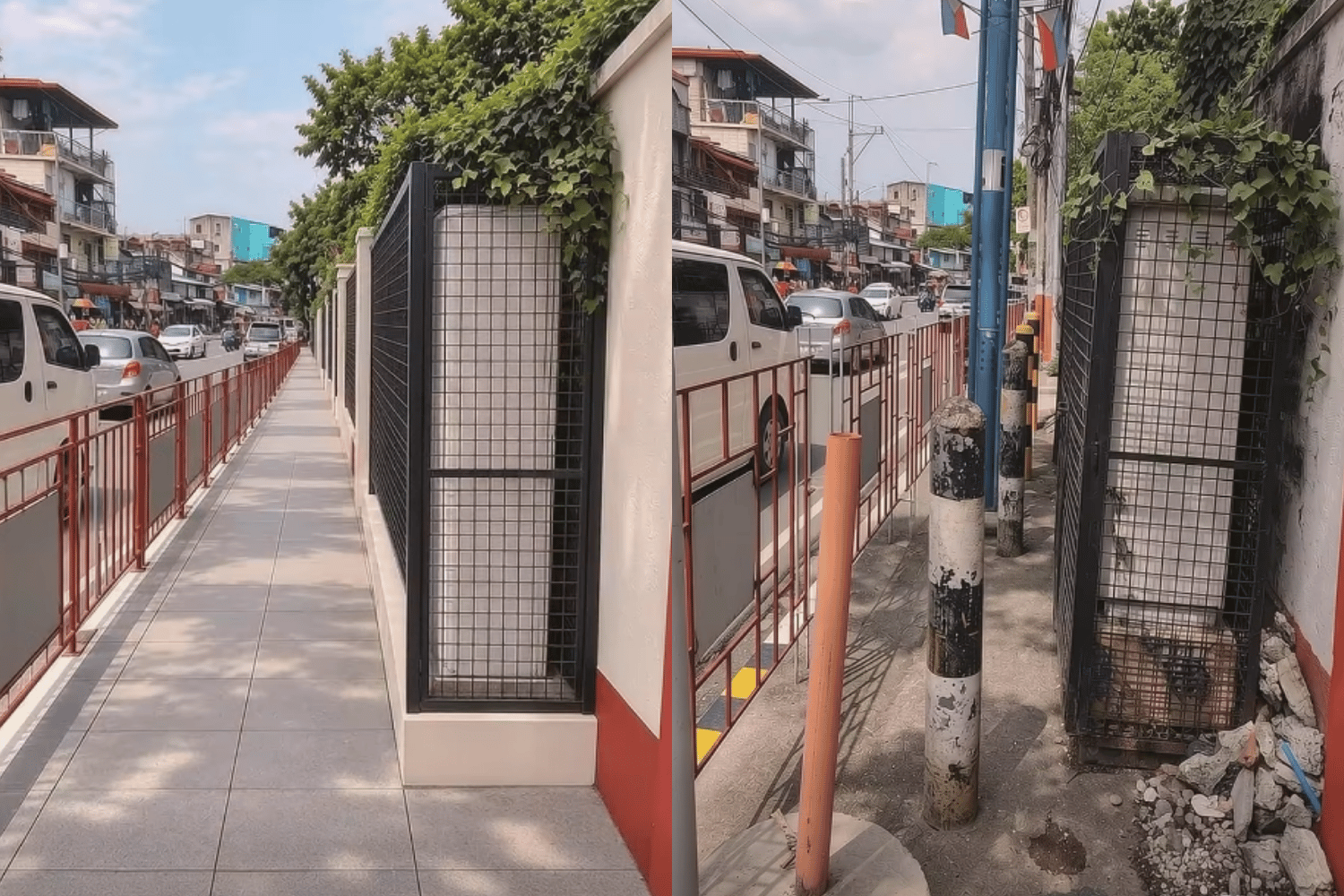
A strange kind of urban escapism is taking over social media, with Filipinos using generative artificial intelligence to show what familiar streets could look like if the country’s pedestrian infrastructure actually worked as it should.
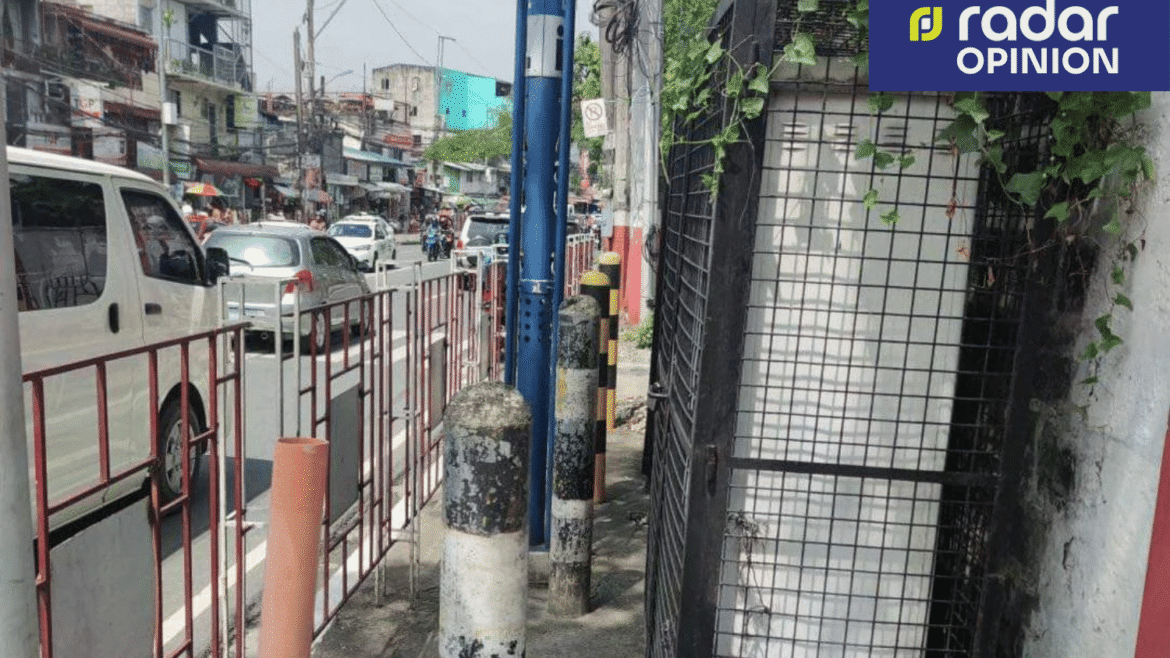
Facebook videos showing “normal” and AI-generated “what-if” versions of local streets have drawn attention because the imagined versions look strikingly different.
The videos show wider sidewalks, more trees, clearer pedestrian spaces, and streets where cars do not dominate every corner.
The appeal hits close to home for anyone who has had to navigate many parts of Metro Manila on foot.
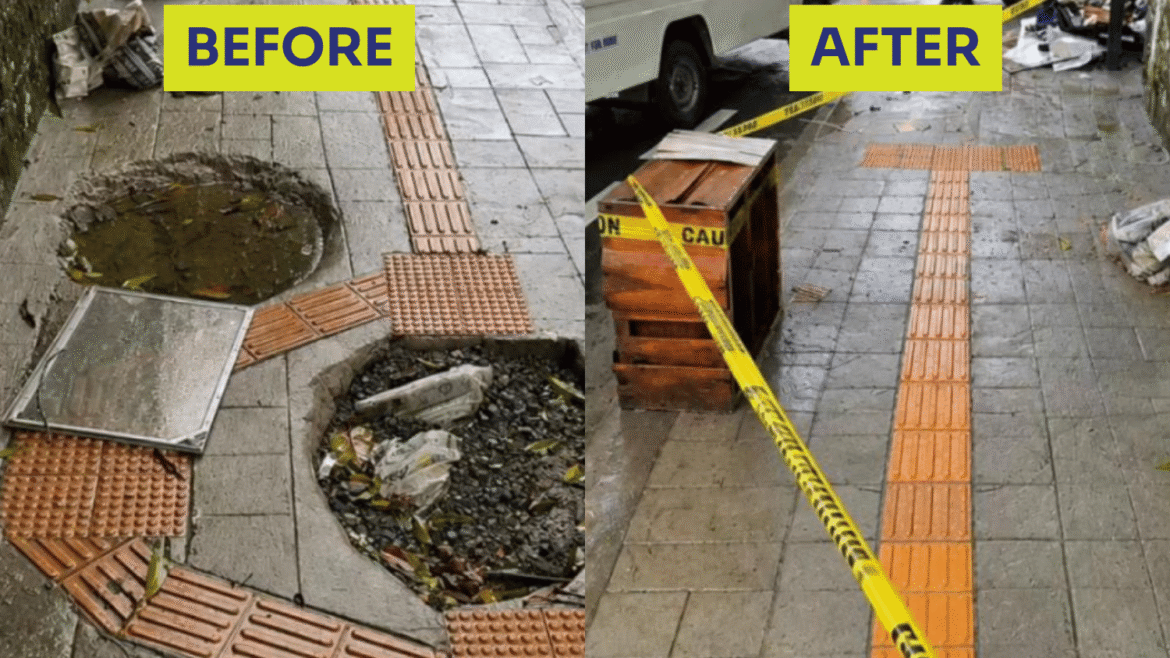
Pedestrians often squeeze past parked motorcycles, dodge vehicles, step around broken pavement, or walk onto the road when an obstruction blocks the way.
Government officials have also acknowledged the problem, with a 2025 inspection of EDSA finding pedestrian infrastructure in need of repairs and officials calling for wider walkways, clearer paths, and better accessibility.
The Department of Public Works and Highways has also said people walk on EDSA’s roadways because some sections lack adequate sidewalks, creating dangerous conditions.
Metropolitan Manila Development Authority data presented in 2025 showed that pedestrians accounted for 35% of road crash victims in Metro Manila, while pedestrian-hit incidents recorded in 2024 were the deadliest type of crash.
The AI-generated versions stand out because they show residents a version of their streets that looks safer, cleaner, and easier to navigate.
Generative AI can add trees, sidewalks, crossings, bike lanes, and open spaces in seconds, while building the real thing requires funding, construction, maintenance, and enforcement.
The videos may be artificial, but netizens say the frustration behind them comes from streets that people use every day.
READ: