After Coachella and Lollapalooza milestones, calls grow for government investment to turn P-pop into major cultural export.
BINI and SB19 have already accomplished what many once thought was impossible: putting P-pop on the global stage without the benefit of a massive government-backed industry.
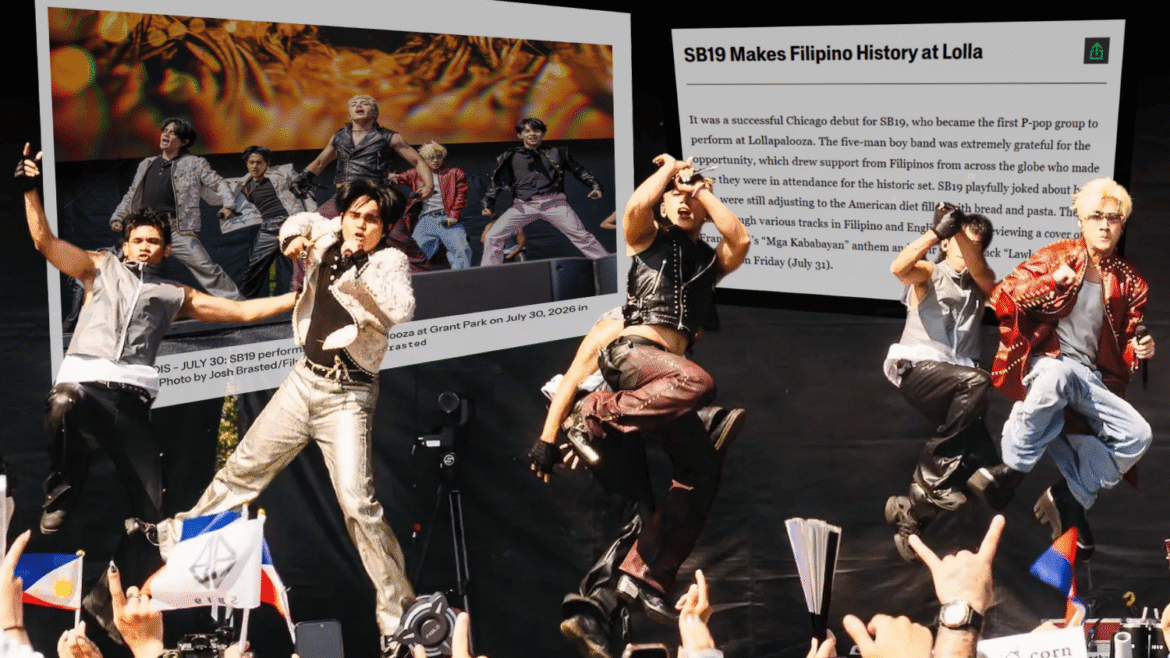
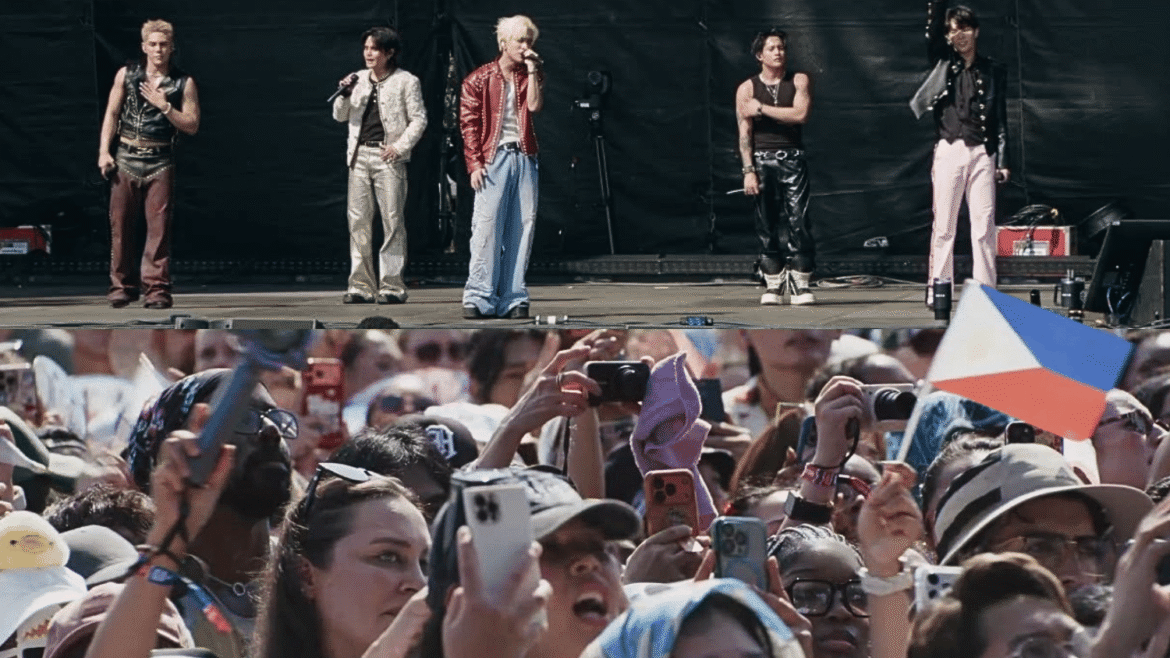
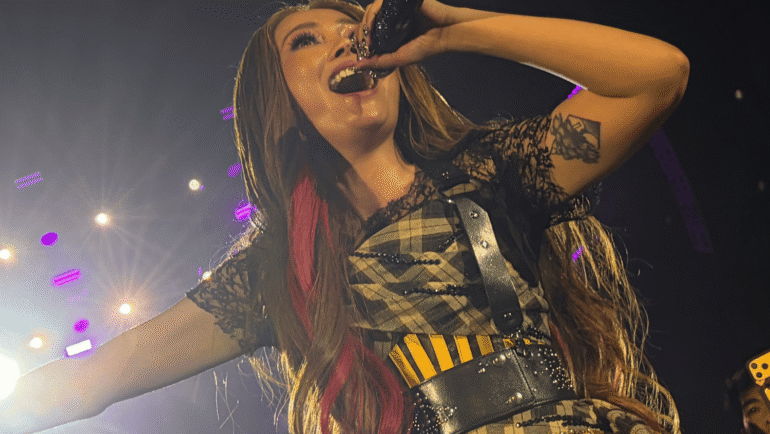
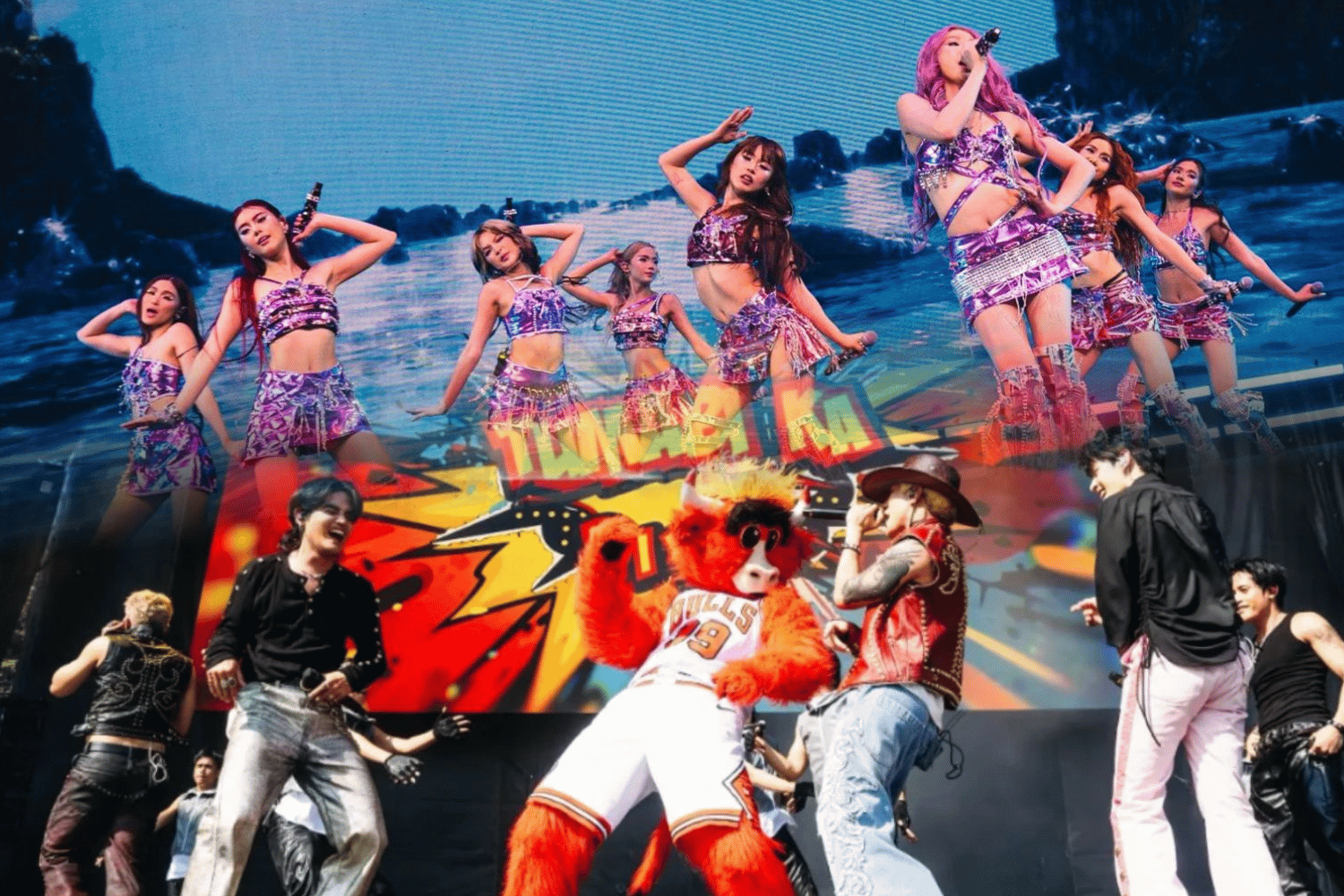
BINI became the first Filipino act to perform at Coachella, while SB19 made history as the first Filipino group to perform at Lollapalooza. Alongside them, groups such as ALAMAT, G22, KAIA, VXON, BGYO, HORI7ON, and XONARA are steadily building audiences beyond the Philippines through streaming, social media, and international performances.
It raises an important question: If Filipino artists can achieve this much largely through private investment and passionate fandoms, what could happen if the Philippine government invested in P-pop the way South Korea invested in K-pop?
The Korean Wave, or Hallyu, did not become a multi-billion-dollar global phenomenon by chance. Behind it are decades of coordinated support from agencies such as the Ministry of Culture, Sports and Tourism (MCST), the Korea Creative Content Agency (KOCCA), the Korea Foundation for International Cultural Exchange (KOFICE), and the Korea Trade-Investment Promotion Agency (KOTRA). Together, they helped transform Korean music into one of the country’s biggest cultural exports.
The Philippines already has the talent. It now needs the same level of long-term commitment.
1. Create a P-pop export agency
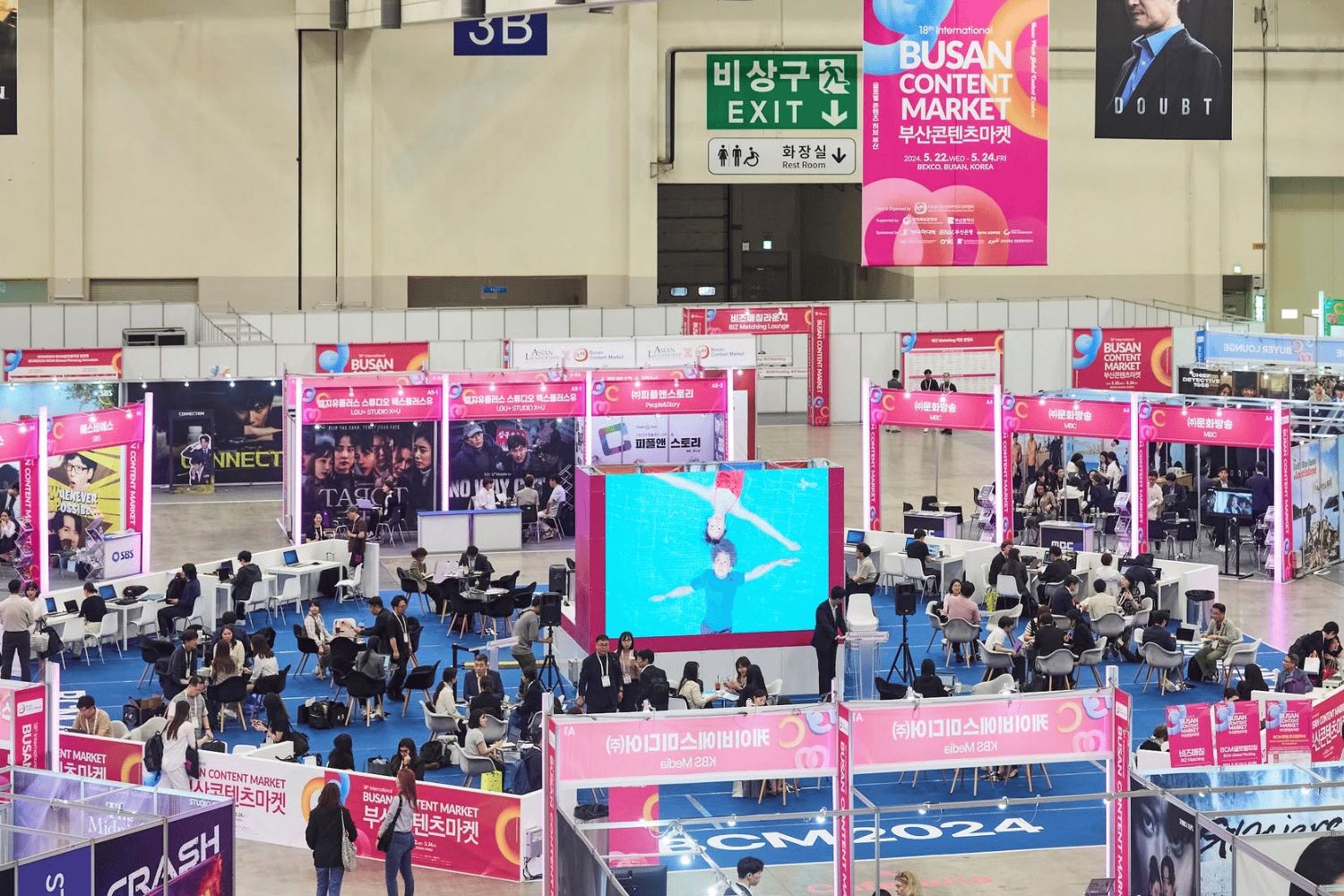
One of KOCCA’s biggest roles is helping Korean entertainment companies take their artists overseas. It provides grants for international showcases, marketing campaigns, music festivals, market research, and global business partnerships.
The Philippines could expand the mandate of the Creative Industries Development Council created under the Philippine Creative Industries Development Act (RA 11904) or establish a dedicated music export office focused solely on P-pop.
Government grants could help fund international tours, music videos, overseas promotions, and appearances at major festivals, allowing even smaller agencies to compete globally.
2. Build national training academies
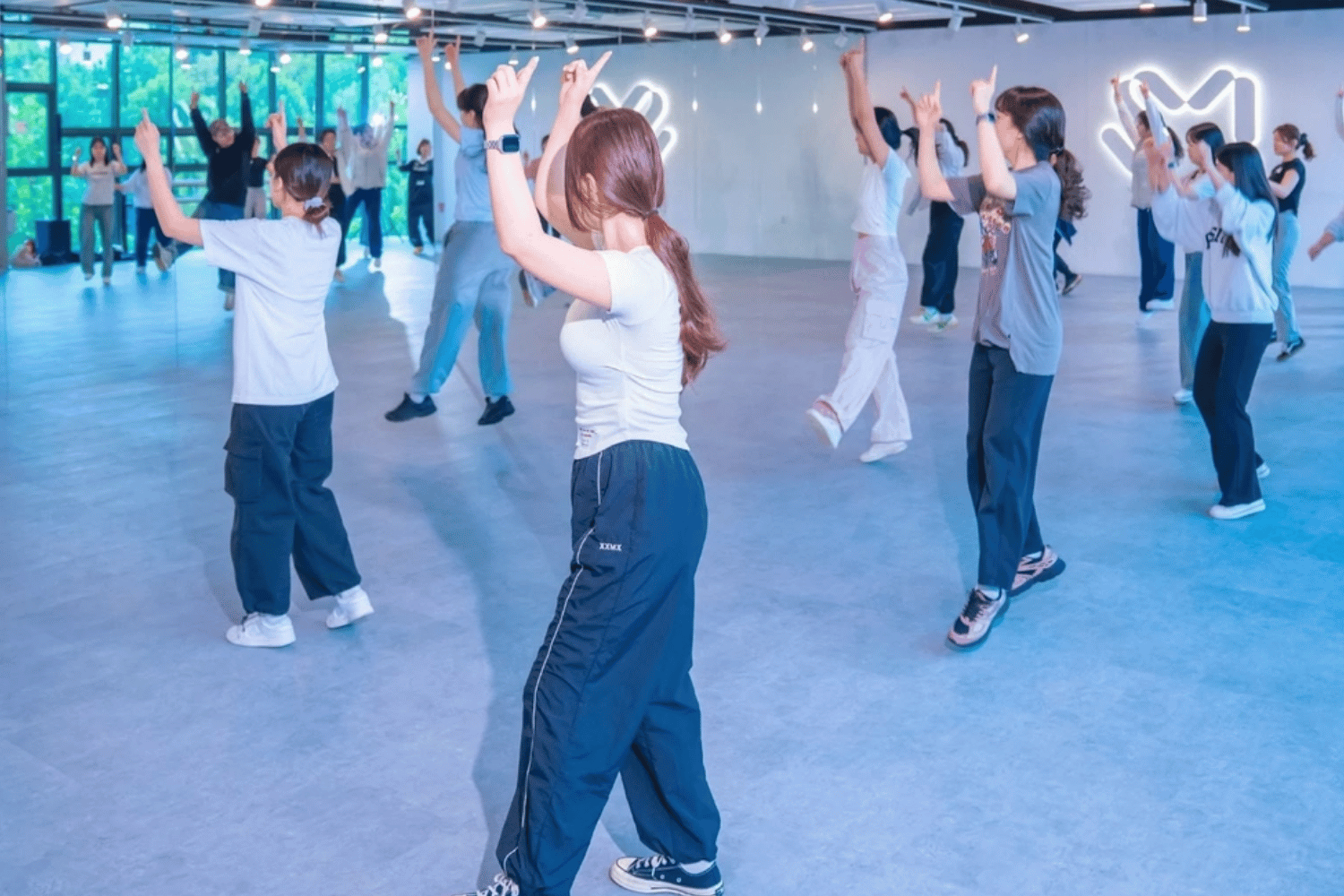
South Korea’s idol system is built on years of intensive training in singing, dancing, languages, media relations, and performance.
The Philippines has no shortage of talented performers, but many agencies simply lack the resources to develop them at the same level.
TESDA, together with the National Commission for Culture and the Arts and private industry, could establish specialized performing arts academies that offer affordable training in commercial dance, vocal production, songwriting, digital content creation, and foreign languages.
This would create a stronger talent pipeline for future generations of Filipino idols.
3. Make P-pop part of Philippine diplomacy
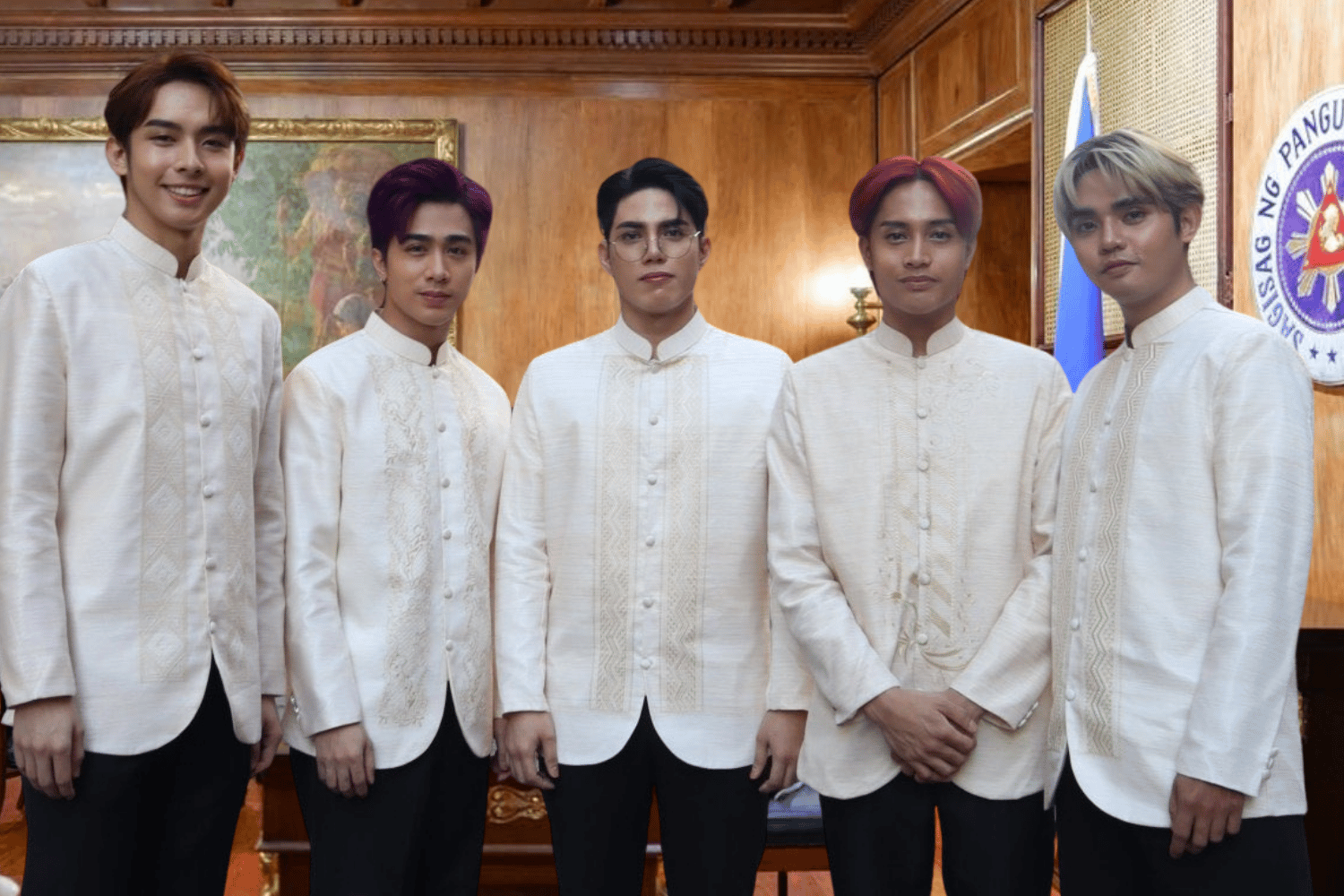
South Korea uses K-pop as a tool of soft power.
Through KOFICE and the Ministry of Culture, Korean artists regularly headline international cultural festivals, tourism campaigns, trade missions, and diplomatic events. K-pop has become one of South Korea’s most recognizable global brands.
The Philippines can do the same.
The Department of Tourism and the Department of Foreign Affairs could organize annual P-pop festivals through Philippine embassies in cities such as Los Angeles, London, Tokyo, Dubai, and Sydney while featuring Filipino idol groups in tourism and investment campaigns.
P-pop should not simply represent entertainment—it should represent the country.
4. Invest in creative infrastructure

South Korea’s entertainment companies benefit from world-class recording studios, production facilities, virtual stages, and digital technologies supported by government incentives and private investment.
The Philippines can encourage similar growth by giving tax incentives through the Department of Trade and Industry and the Board of Investments to companies building recording studios, sound stages, motion capture facilities, virtual production spaces, and other creative technologies.
These investments would strengthen not only P-pop but also film, television, gaming, and animation.
5. Protect Filipino music and prepare artists for the world
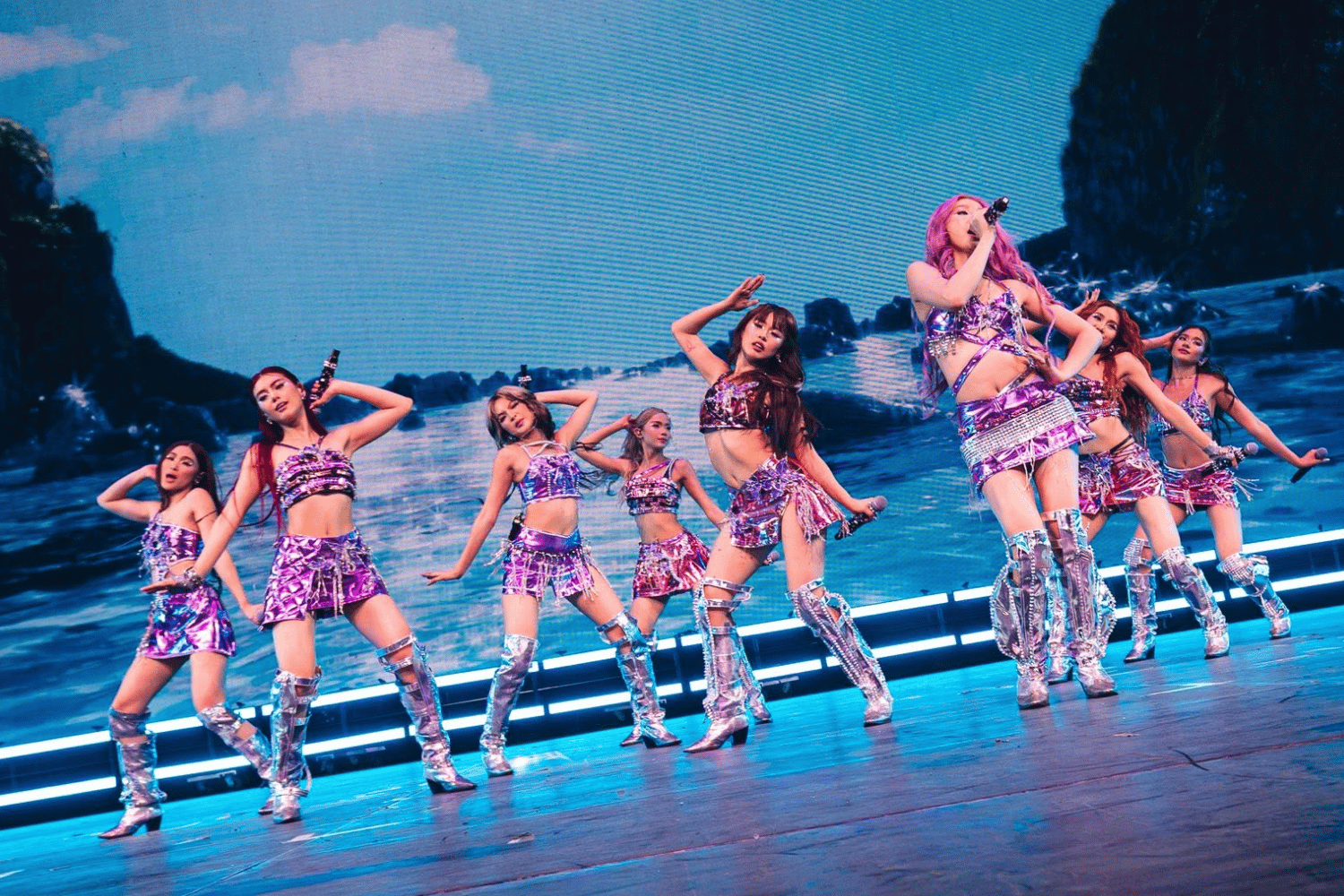
South Korea aggressively protects its entertainment industry through strong copyright enforcement led by institutions such as the Korea Copyright Commission, while also preparing artists to communicate with international audiences.
The Philippines can strengthen the Intellectual Property Office of the Philippines’ campaign against piracy while investing in language training and international cultural exchanges for aspiring performers.
Helping artists become more confident in English, Japanese, Korean, Mandarin, and other major languages would allow them to engage more effectively with fans around the world.
A global opportunity
For decades, the Philippines has exported talent one individual at a time.
P-pop presents an opportunity to export Filipino culture itself.
SB19 and BINI have already shown that Filipino artists can command the world’s biggest stages. Close behind them are ALAMAT, G22, KAIA, VXON, BGYO, HORI7ON, and XONARA, all helping expand the reach and diversity of the country’s growing idol scene.
Their success has come largely through determination, private investment, and devoted fan communities.
With sustained government support, coordinated cultural policy, and strategic investment modeled after South Korea’s playbook, P-pop could become more than a thriving music genre.
It could become one of the Philippines’ most influential cultural exports—and one of its strongest sources of global soft power.