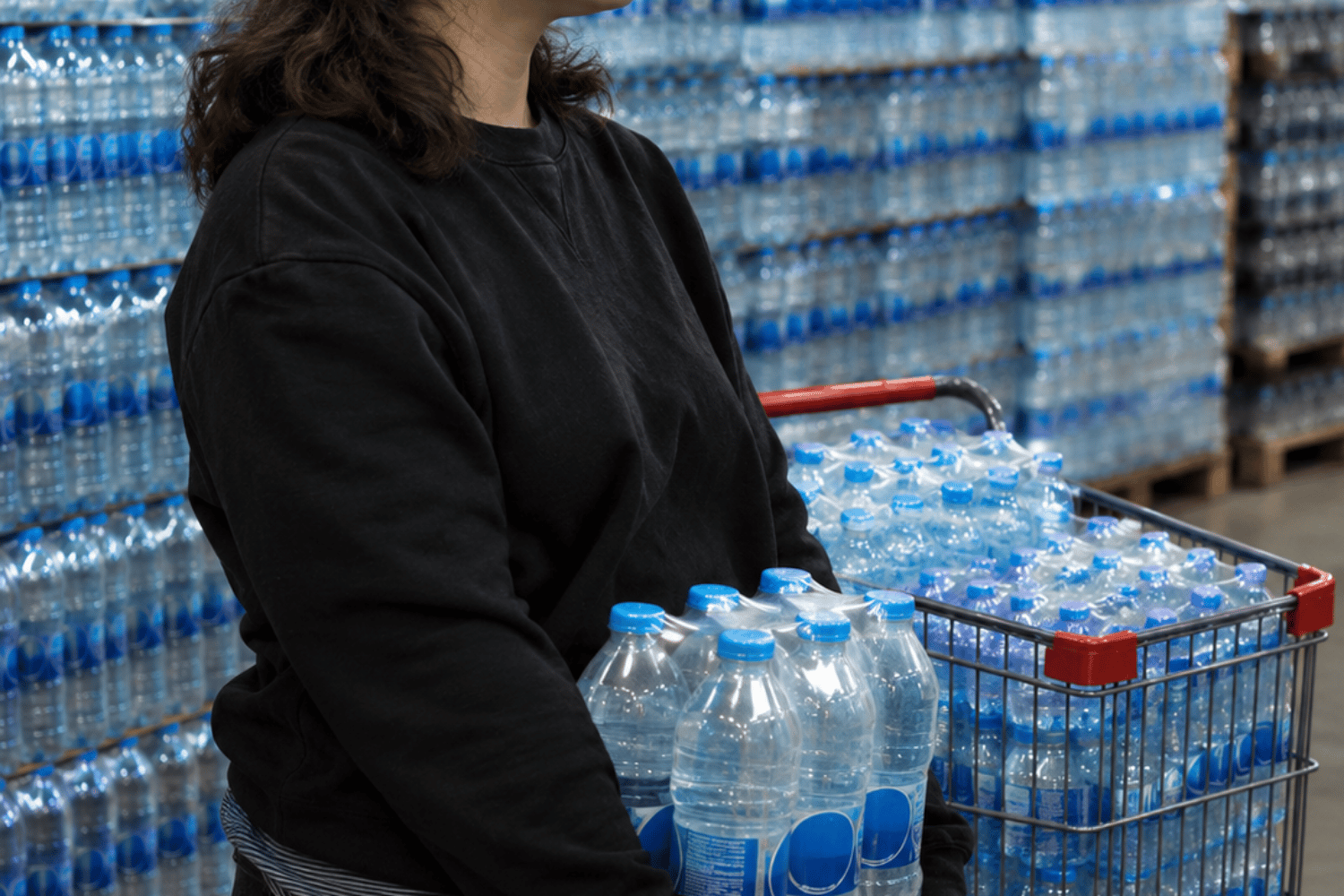
Shopping carts filled with bottled water, supermarket shelves running low on gallon containers, and families buying more drinking water than they normally consume.
As reports of bottled-water hoarding emerge ahead of the anticipated Super El Niño, health concerns are also surfacing. Could the water people are stockpiling eventually become unsafe to drink?
Preparing for shortages makes sense. But storing bottled water for months, especially in the Philippines’ tropical heat, comes with risks.
When bottled water becomes a risk
Most bottled water comes in polyethylene terephthalate (PET) plastic containers.
Although generally safe for their intended use, studies show that prolonged exposure to high temperatures can increase the migration of substances such as antimony from plastic into water.
Researchers have also detected microplastics in bottled water, although their long-term health effects remain under investigation.
Keeping bottled water inside hot vehicles, exposed balconies, or poorly ventilated storage rooms is therefore discouraged.
Water does not expire, but packaging can deteriorate
Water itself does not spoil like food. Properly sealed commercial bottled water can remain safe for extended periods when stored correctly.
However, plastic packaging can deteriorate and absorb odors from nearby gasoline, pesticides, paint, or cleaning products.
Bacterial contamination becomes a greater concern once bottles are opened, particularly when someone drinks directly from them and leaves them unrefrigerated.
Panic buying creates another problem
Hoarding can also create artificial shortages.
When households purchase excessive quantities, vulnerable consumers may struggle to find affordable drinking water even before actual shortages occur.
The Department of Trade and Industry has warned against bottled-water hoarding amid concerns over El Niño.
How much water should you store?
The US Centers for Disease Control and Prevention recommends at least 3.8 liters per person daily for emergencies, with a minimum three-day supply.
For a family of four, that means approximately 45 liters for three days or 106 liters for one week.
Experts recommend storing water in cool, dark places, using food-grade containers, and regularly rotating supplies.
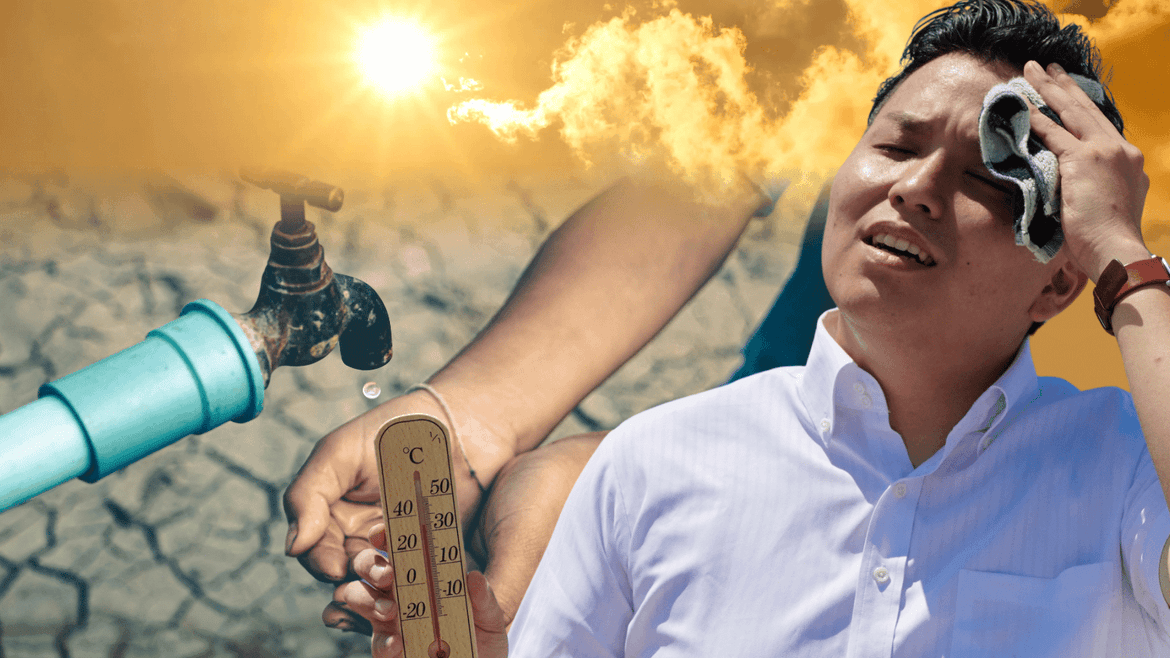
With Super El Niño threatening water availability, preparation is necessary. But buying hundreds of bottles without proper storage could create another problem.
The goal is to have enough safe drinking water during a shortage, not to end up with a stockpile that may no longer be suitable for consumption.
READ: