Scammers should no longer be allowed to hide behind unknown numbers.
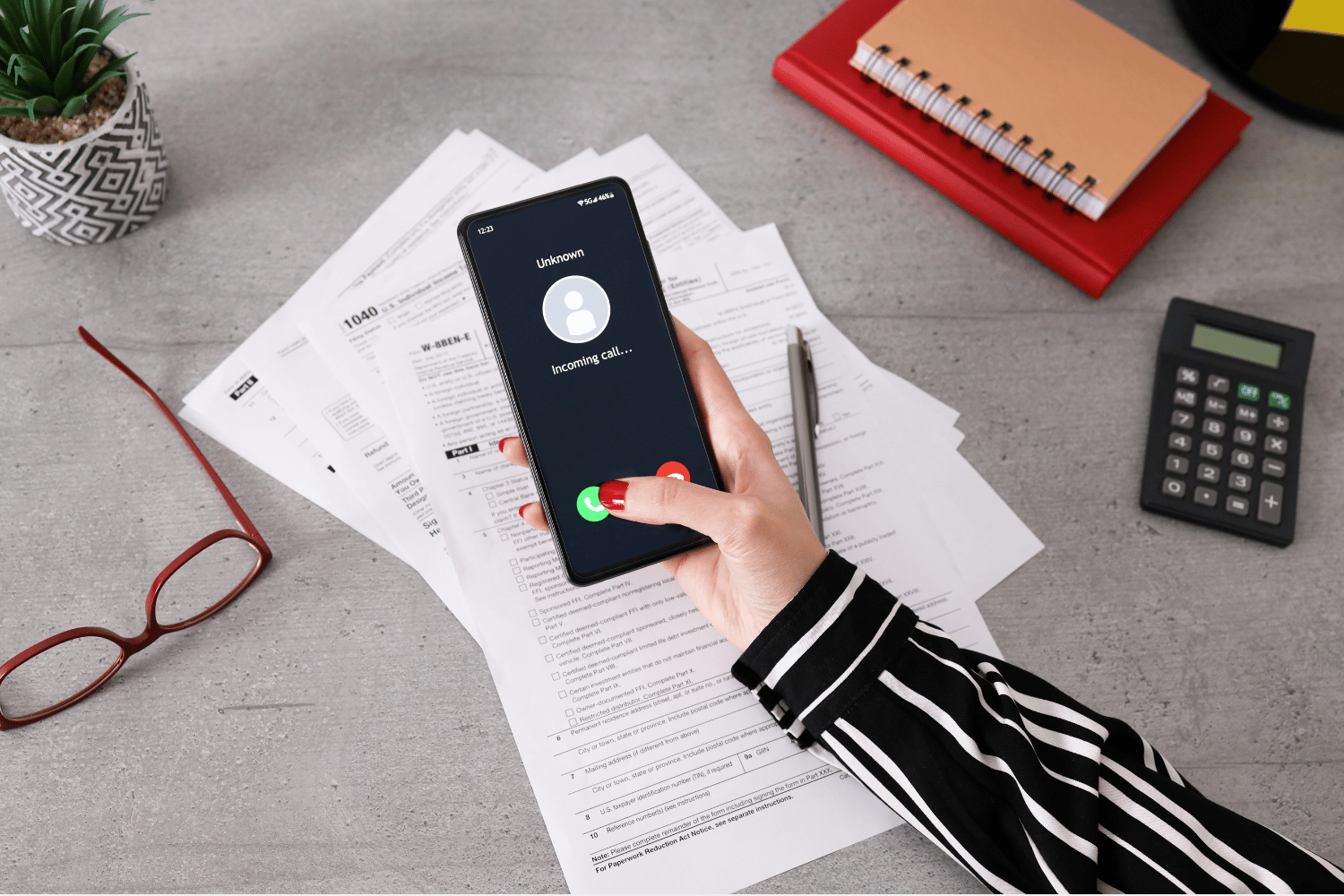
Your phone rings. An unfamiliar number appears. It could be a delivery rider, a potential client, a bank representative, or a scammer pretending to be someone you know.
You answer and risk being scammed. You ignore it and possibly miss something important.
This everyday dilemma raises an urgent question: If Filipinos are required to register their SIM cards using their real identities, why can’t people see who is calling or texting them?
Under Republic Act No. 11934, or the SIM Registration Act, subscribers must register their mobile numbers using personal information and valid identification documents.
Yet recipients generally see only an unfamiliar number. Unless it is saved in their contacts or identified through a third-party application, the caller’s identity remains unknown.
Registered but still anonymous
The SIM Registration Act was intended to combat fraud and other crimes involving mobile communications.
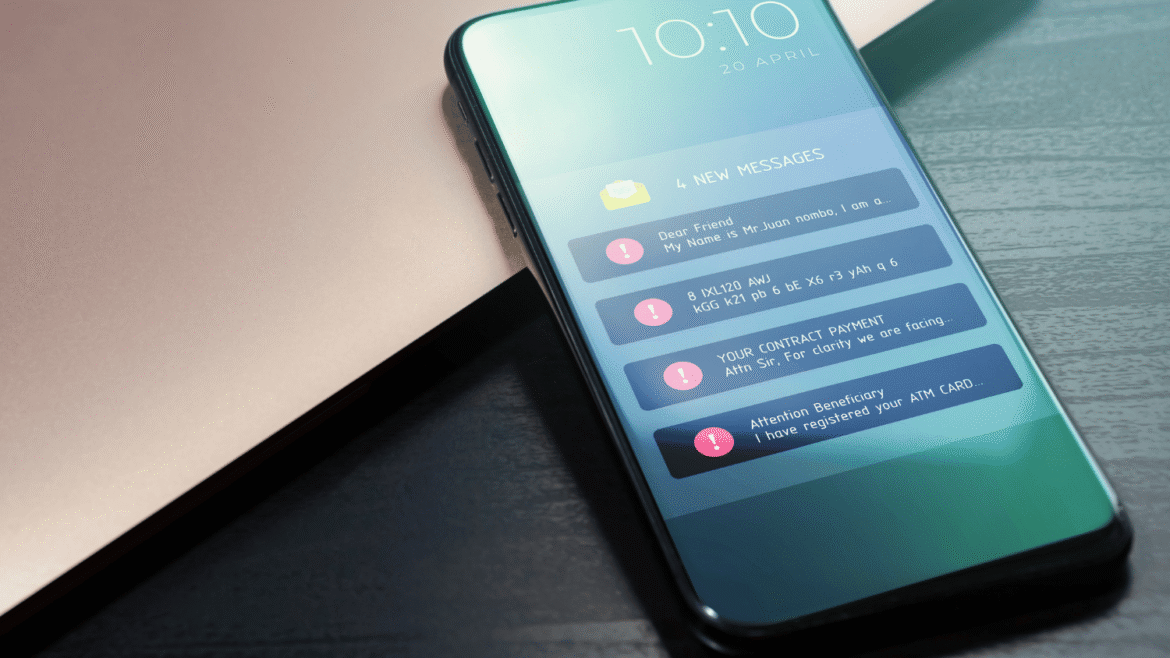
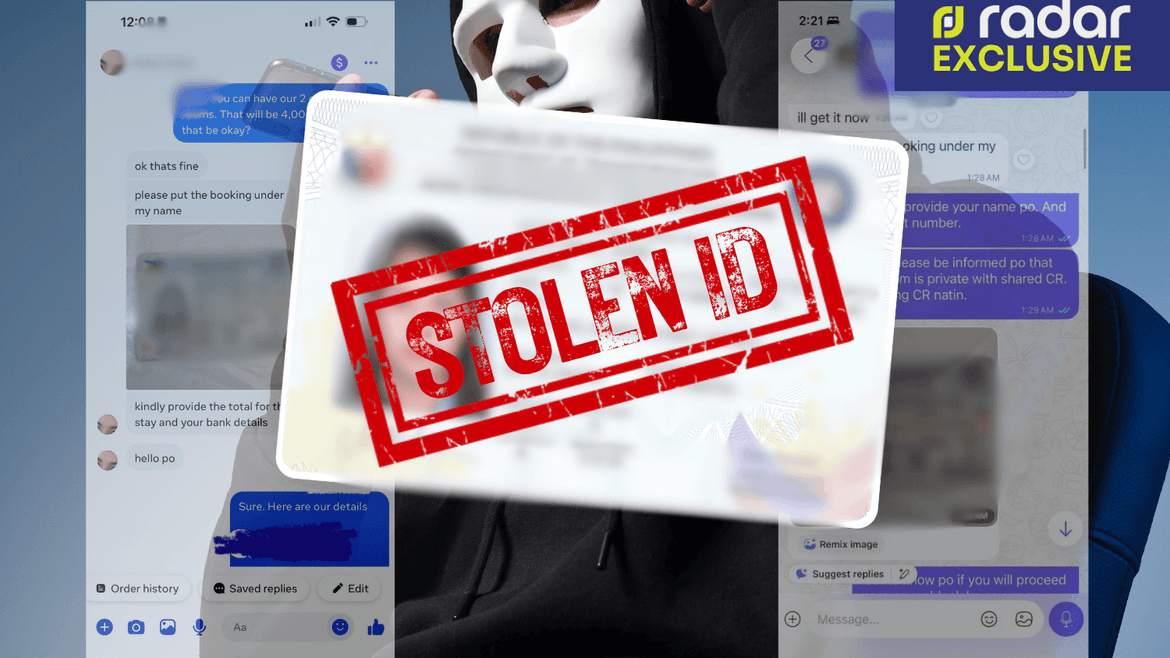
However, scammers have exploited weaknesses in registration systems, including fake identification documents and SIM cards registered under other people’s names.
The National Telecommunications Commission has proposed tighter verification requirements, including prioritizing the Philippine National ID for online registration.
But stronger registration alone does not solve another problem: Filipinos still cannot reliably identify strangers contacting them.
India offers a possible solution
India has introduced Calling Name Presentation (CNAP), a network-based system designed to display a caller’s registered name even when the number is not saved.
The country has directed telecommunications operators to begin introducing the service on November 1, 2026, for 4G and newer networks.
A similar system could help Filipinos recognize suspicious callers before answering.
Unlike applications such as Truecaller, which may depend on crowdsourced information, network-based identification could use verified subscriber records.
However, displaying a name would not automatically prove that a caller is legitimate.
What about privacy?
Philippine law protects SIM registration information, meaning automatic caller identification would require clear legal safeguards.
Authorities would need to address privacy, consent, identity theft, and the protection of vulnerable subscribers.
Verified sender identification for text messages could also help consumers distinguish legitimate businesses from impersonators.
Caller identification would not eliminate scams, especially those involving stolen identities or manipulated numbers. But it could provide another important layer of protection.
The Philippines already requires mobile subscribers to identify themselves to telecommunications companies.
Perhaps it is time to give ordinary Filipinos a safer way to identify the people trying to contact them.
After all, requiring people to register their identities while allowing suspicious callers to remain anonymous solves only half the problem.
READ: