Preserving Tingguian weaving means making sure someone will still be weaving it tomorrow.
What happens when a centuries-old weaving tradition meets a generation raised on T-shirts, sneakers and mass-produced fashion?
In Abra, Tingguian—or Itneg—weavers are finding ways to bring their craft into classrooms, contemporary clothing and everyday products, proving that preserving tradition does not mean keeping it frozen in the past.
More than beautiful cloth
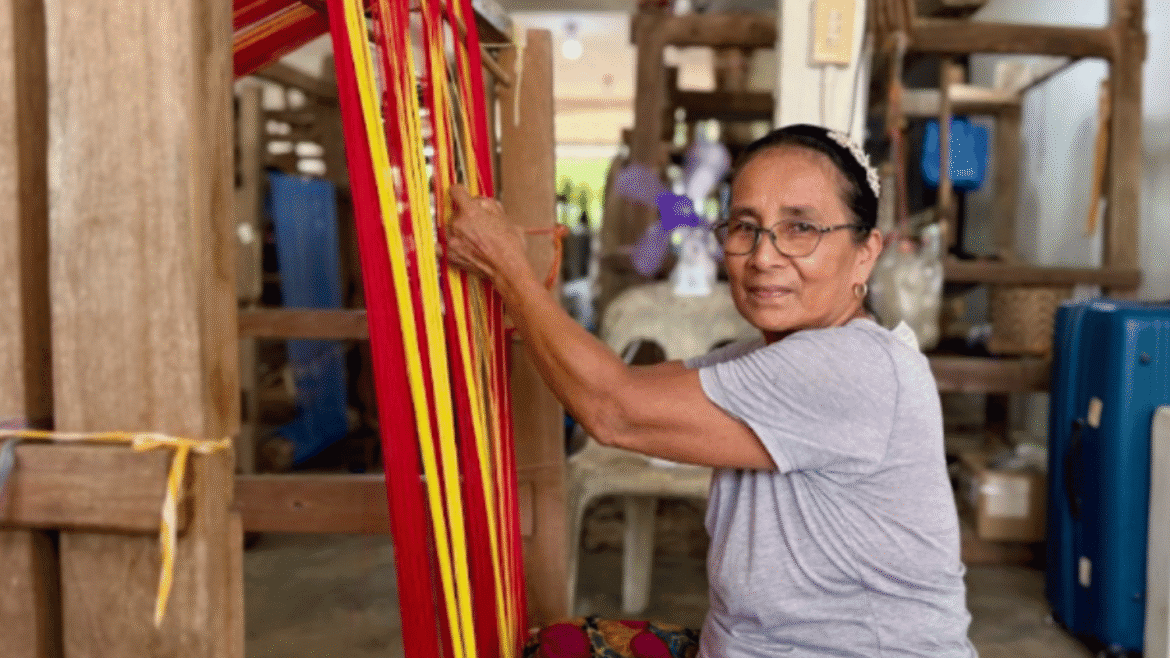
Tingguian weaving is among the Philippines’ most distinctive textile traditions. Artisans use traditional looms to create abel through techniques such as pinilian, which produces intricate raised patterns, and binakol, known for hypnotic geometric designs once believed to confuse or ward off malevolent spirits.
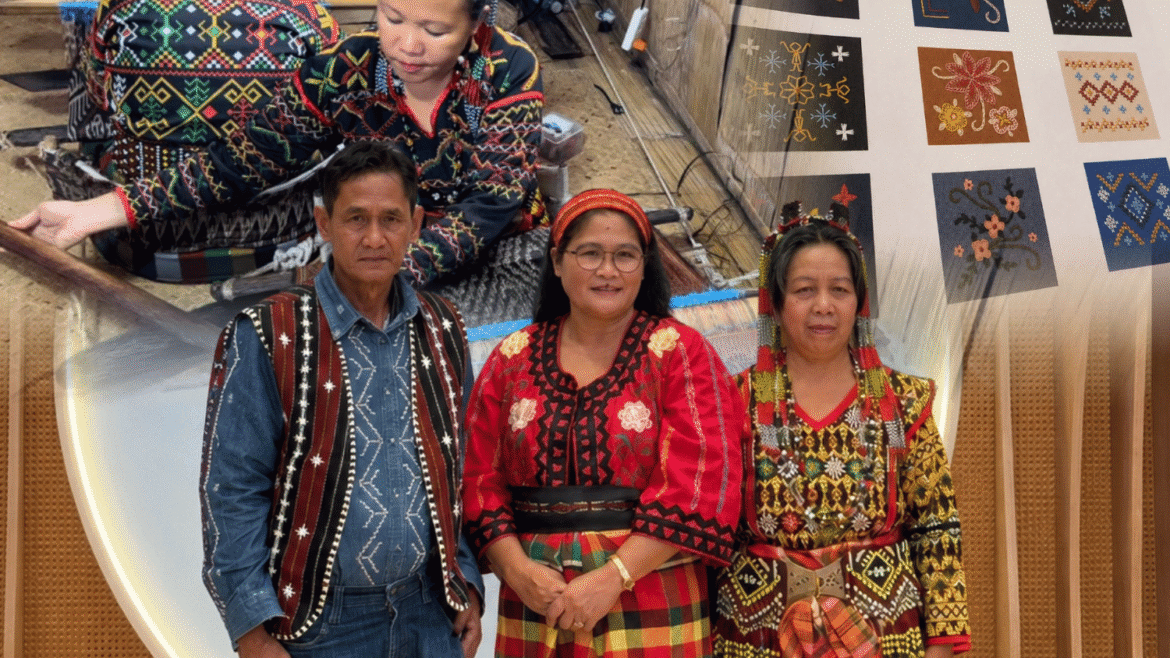
Then there is kinamay, embroidery applied to woven cloth that turns fabric into a visual record of Tingguian life.
Patterns depict rice plants, frogs, human figures and shields, reflecting agriculture, family, spirituality and community. Even the colors traditionally come from nature, with plants, bark and wood used to produce indigo, red, yellow and earthy tones.
Teaching the next generation
But a tradition survives only if someone learns how to continue it.
In Peñarrubia, Abra, natural dyeing, kinamay embroidery and loom weaving have been introduced to Senior High School students. Elders and artisans teach young people directly, while looms and materials allow them to learn by actually creating textiles.
It is preservation through practice rather than simply putting old fabric behind museum glass.
From Abra to global fashion
Tingguian craftsmanship has also found its way into contemporary fashion.
Cultural master Luis Agaid Jr. of the Itneg School of Living Tradition was commissioned to produce 1,000 hand-embroidered patches for a collaboration with Japanese clothing giant Uniqlo.
The patches featured the traditional kukko motif associated with productivity—taking an indigenous design from Abra into the world of modern mass-market apparel.
That may point to the future of Tingguian weaving.
Traditional textiles do not have to abandon their history to remain relevant. They can become clothes, accessories and contemporary objects while retaining the stories and skills behind them.
Because preserving Tingguian weaving should mean more than remembering how people once made it.
It means making sure someone will still be weaving it tomorrow.
READ: