

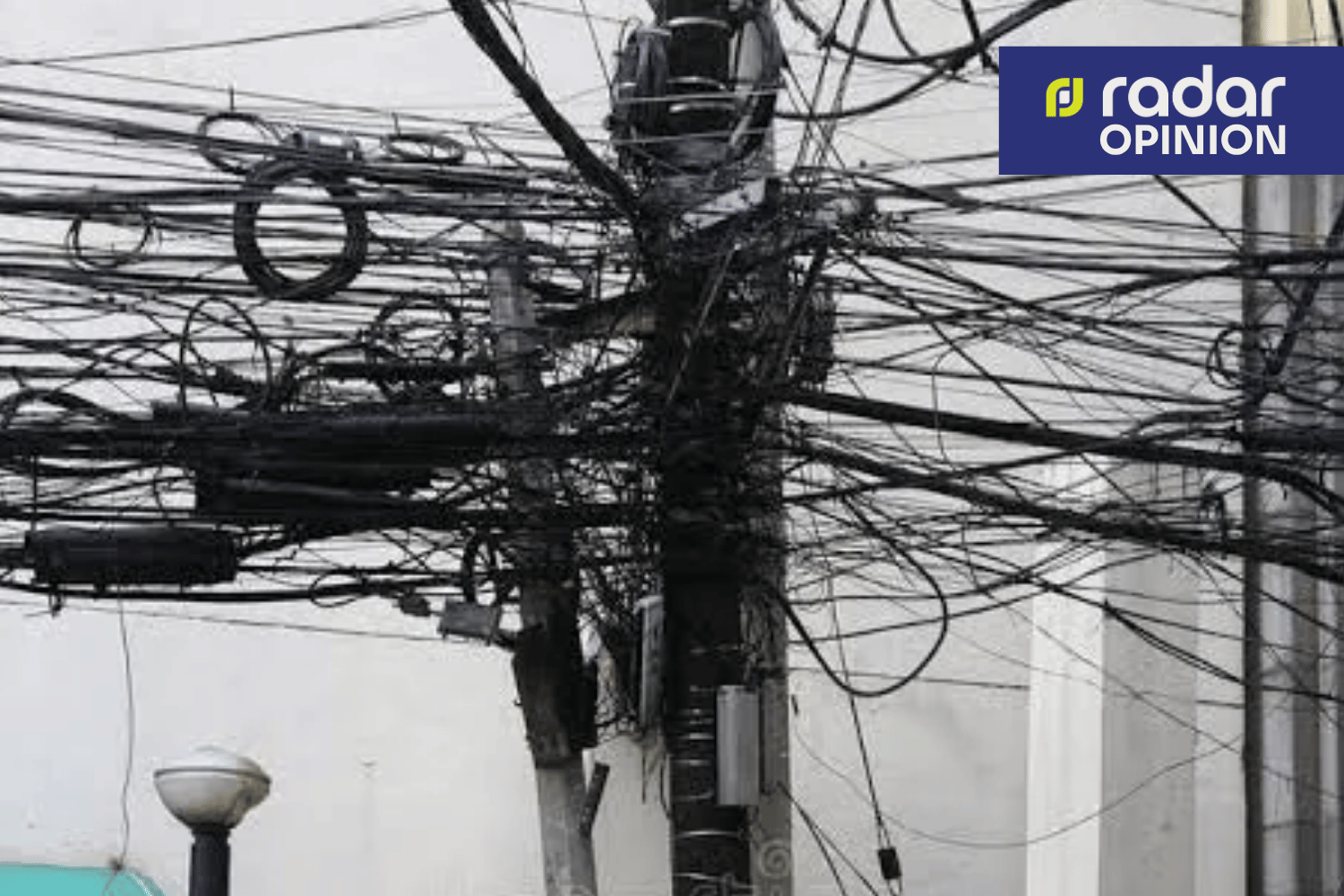
Cities can remove unused cables, regulate new installations, and prioritize high-risk, congested areas for underground relocation.
Spaghetti wires are an eyesore hanging over Philippine streets, yet we have tolerated them for so long that they have become part of the landscape. When tangled, sagging, and abandoned cables remain in place for years, they also show how easily governments can allow a known infrastructure problem to become part of the urban landscape.
For instance, the Bureau of Fire Protection recorded 18,256 fire incidents nationwide in 2024, with electrical causes accounting for 8,021, or roughly 45% of cases, the largest share among recorded causes. BFP safety guidance identifies loose connections, faulty wiring, overloaded circuits, arcing, and improperly installed electrical systems as potential sources of fire.
Of course, that does not mean every bundle of overhead cables will cause a fire. But it makes poorly maintained electrical infrastructure difficult to dismiss as merely an aesthetic problem.
And there are cities that have shown something can actually be done about it.
The Iloilo initiative
Iloilo City, for instance, has shown that local governments do not have to accept the mess as permanent. In 2023, the city passed an ordinance requiring utilities to place electrical and telecommunications cables underground in plazas, heritage sites, and selected thoroughfares, while a ₱96.4-million underground distribution project followed along its historic Calle Real area.
But getting the wires out of sight proved to be a lot more complicated than simply taking them down. The project, which was completed in 2025, required the city to coordinate with the power distributor, telecommunications companies, and other utility providers, while some providers initially failed to meet the relocation deadline.
That experience also offers a useful warning for other cities. They cannot simply copy-paste Iloilo’s solution overnight. Underground cabling requires substantial investment, road works, coordination among companies that own different cables, and a plan for maintaining the new system.
Still, none of that means cities have to wait until they can afford a full underground network. Cities can begin by identifying abandoned cables, enforcing rules on new installations, requiring utilities to remove unused lines, and gradually prioritizing high-risk or heavily congested areas for relocation.
And imagine what happens when a city actually follows through. Streets become cleaner and easier to maintain and heritage areas can be seen without a curtain of cables hanging above them.
Most importantly, residents get a visible reminder that public spaces can be improved when someone decides that “that’s just how things are” is not good enough.
Now imagine the opposite. Another decade passes with wires that have multiplied even more, with more abandoned cables left hanging, and another generation growing up seeing the mess as normal.
That goes beyond aesthetics. What does it say about us as a society when we can see a problem for years, know it can be fixed, and still choose to live around it? What are we teaching the next generation when the answer to an obvious public problem is simply to get used to it?
Iloilo’s experience shows that the problem may be complicated, but it is hardly impossible. Local governments can start addressing these infrastructure and safety problems so residents do not have to live with them—and so the next generation does not grow up thinking they should.
READ:
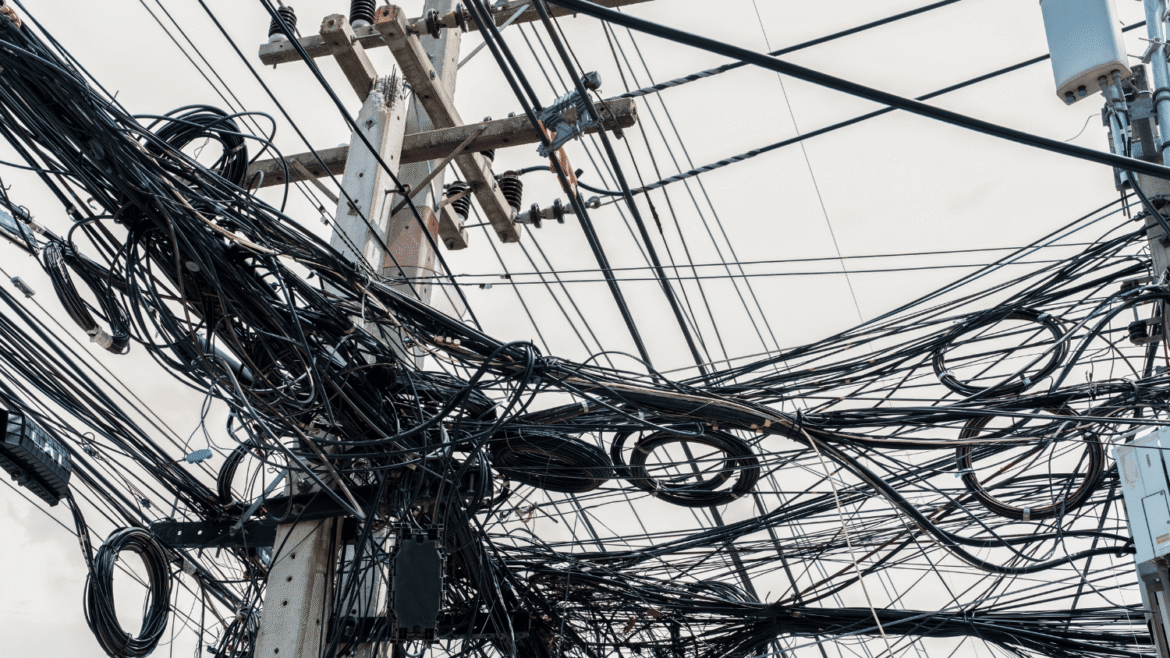
NCR’s ‘spaghetti wires’ fascinate Japanese media
Annie Azucena
July 7, 2026

OPINION: Renaming a hospital after a mayor is a waste of public funds
Kiara Gorrospe
August 27, 2026

OPINION: It’s time to let Mali the Elephant rest
Kiara Gorrospe
August 28, 2026


