From ALYSON to ena mori, a new wave of artists carries Offshore’s intimate, unfiltered musical identity forward.
There is a specific kind of feeling that arrives at two in the morning. The kind that keeps you scrolling endlessly through playlists, searching for a song you cannot name yet somehow already understand. It is the itch you cannot easily scratch—a hunger for music that feels lived in, imperfect, intimate, and honest.
Somewhere between vinyl crackles and bedroom recordings, Ely Buendia built a place for that feeling to exist.
Long after the stadium singalongs of Eraserheads and decades after becoming one of the most influential songwriters in Filipino music history, Buendia quietly shifted his attention toward something less visible but equally important: building spaces for other artists to be heard.
In 2016, he founded Offshore Music, an independent label born not from commercial ambition, but from belief. Inside his home studio called Crow’s Nest, artists recorded songs that sounded less manufactured and more human. The label’s earliest releases already hinted at its identity—Buendia’s soul and R&B collective Apartel with their debut album “Inner Play,” and his collaborations with Itchyworms through “Pariwara” and “Lutang,” released on vinyl for Record Store Day in 2017.
Offshore was never trying to compete with the loudest labels in the industry. It wanted to become a sanctuary for musicians who had something genuine to say.
The artists carrying the sound forward

One of the standout acts under Offshore is ALYSON, whose music feels like reading old messages you were never supposed to delete. Their blend of alternative rock and emotional storytelling captures the loneliness and nostalgia of modern youth.
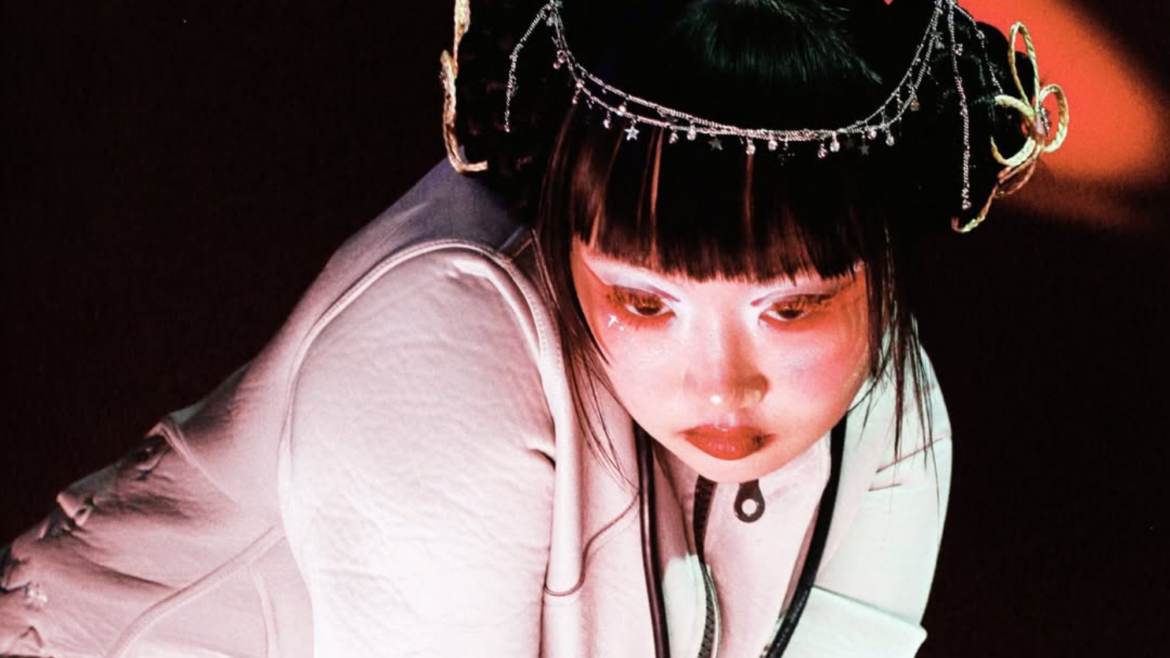
Then there is Ena Mori, whose synth-heavy sound transforms heartbreak into shimmering late-night pop. Her music feels cinematic—soft, futuristic, and deeply personal all at once.
M1ss Jade So brings a rebellious energy to the label, turning vulnerability into something stylish and unpredictable. Meanwhile, Tinay leans toward quiet intimacy, crafting songs that feel more like private conversations than performances.
And then there is Elton Clark, whose gentle storytelling and indie-folk influences make his songs feel handwritten rather than produced.
Together, they represent the kind of music Offshore continues to champion: songs that linger long after they end.
Why Offshore feels different
In an era ruled by algorithms and viral hits, Offshore Music moves differently.
The label even rereleased Eraserheads classics and vinyl editions of “Sabado” and “1995,” proving its belief that music should be experienced, not just consumed. There is intention behind every release—from the sound design to the physical records themselves.
Maybe that is why Offshore resonates with listeners searching for something more human.
Its artists do not sound polished to perfection. They sound honest. Their songs live in jeepney rides, sleepless evenings, breakups, and quiet victories. They stay in the spaces people rarely talk about out loud.
And perhaps that is Ely Buendia’s greatest contribution now—not just creating iconic music, but creating space for a new generation of artists to be heard.
Some itches never fully disappear.
But sometimes, the right song makes you stop scratching for a while.