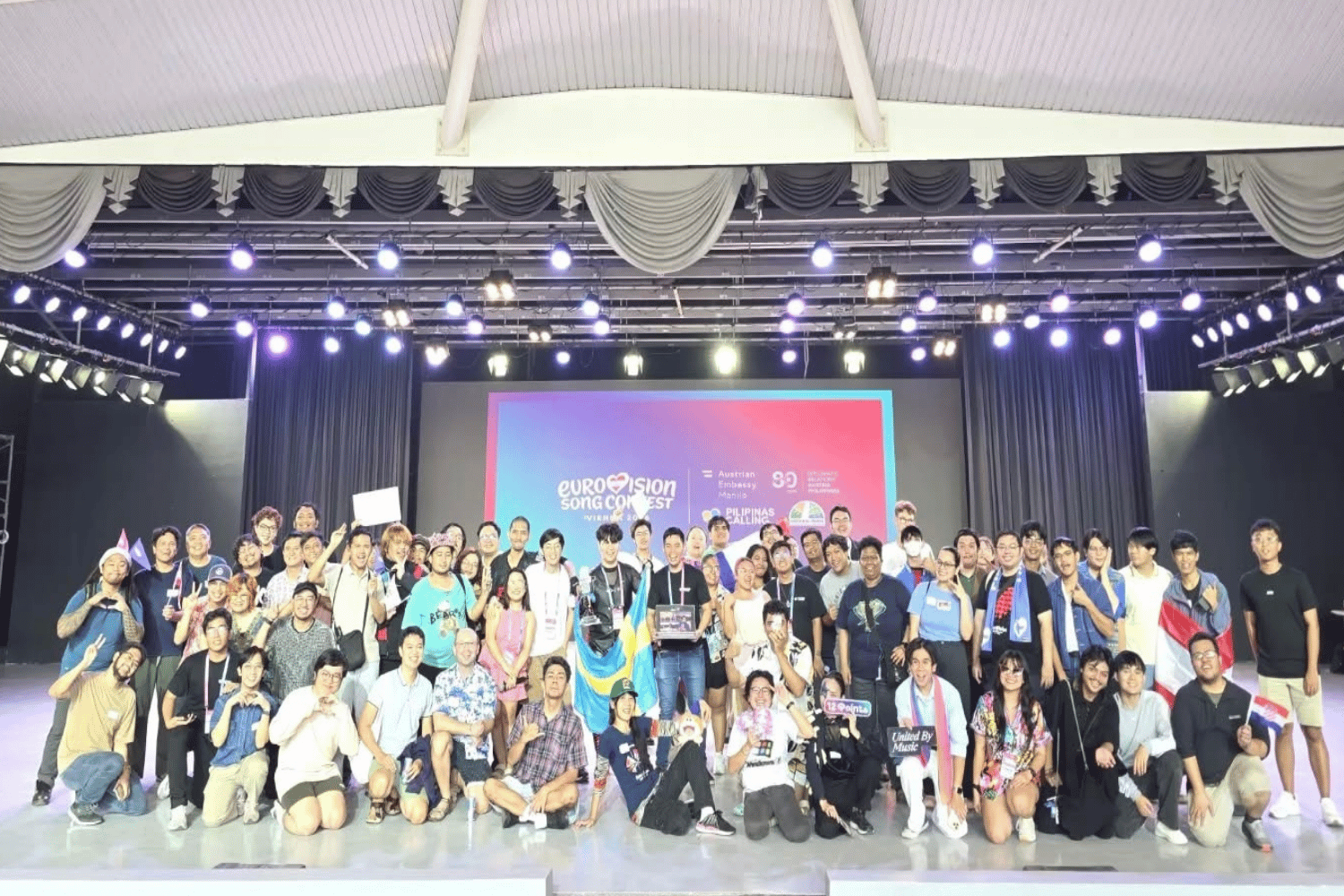
Filipino fans join global watch parties as the song contest prepares for its Asia debut in Bangkok this November.
When I moved to Sweden, I married into Eurovision. And I had questions since I’ve never heard of it before: Is it like “American Idol”? Why are non-European countries competing? Should songs be in English? How much is the cash prize?
My then Swedish boyfriend Martin (who is now my husband, by the way) went on explaining that the Eurovision Song Contest is a long-running international music competition where countries, mostly from Europe, each send one original song to perform live on TV. It’s organized by the European Broadcasting Union (EBU), with the winner chosen through a mix of jury scores and public votes, and Sweden is pretty obsessed with it since ABBA won in 1974 with “Waterloo.”
This November 14, the Eurovision Song Contest Asia will go live with its Grand Final in Bangkok, Thailand. The Philippines will be joining (of course!), with media network ABS-CBN as the official broadcaster and it will also hold a national selection in August to determine the country’s debut entry.
In Sweden, the representative is chosen through the “Melodifestivalen” competition that runs for months. Like Eurovision, the artists don’t have to be from the country they are representing (KAJ, a humor group from Finland, represented Sweden in 2025). Mello is fun, with glitters and feathers; Eurovision is the campier, unhinged version—in a good way.
Watch party menu
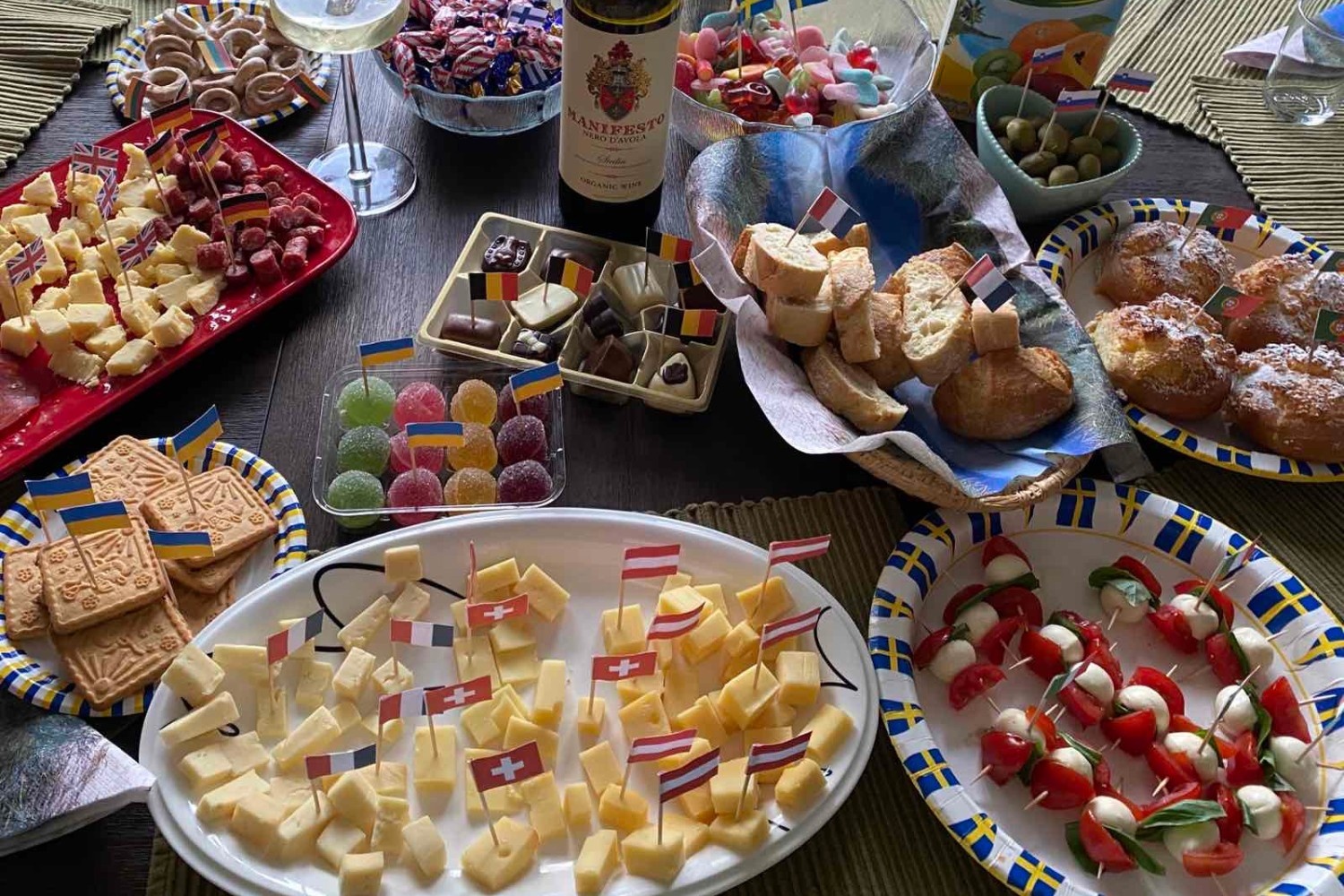
In my first year in Sweden, my Portuguese friend and ultimate Eurovision fan Cláudia Nunes and husband Stefan Schleeh invited us to a watch party. They served food representing the qualifying countries in Eurovision 2023—Portuguese bread pão de deus, German sausage, Ukrainian borsch soup, French rolls, Swiss cheese, Belgian chocolates, Swedish candies. It was a feast. And even better, Swedish singer Loreen won with the song “Tattoo,” which meant Sweden would be hosting in 2024.
The thing is, I got Taylor Swift tickets in Stockholm, but I didn’t get a ticket to the Eurovision final in Malmö. We managed to buy Afternoon Preview tickets aka dress rehearsal entry. Malmö Arena was packed with colors and high energy, and it was awesome seeing Swedish celebrity and Eurovision legend Petra Mede hosting. People chanted her name almost every time she went on stage: “Petra! Petra! Petra!” During breaks, she would scan the arena left to right, up and down, waving like a queen.
Nemo of Switzerland won in 2024 with the song “The Code,” a blend of binary code, rap, drum and bass, and pop opera.
Pinoy fans
In Malmö, I met with Eurovision fan Jose Luise Abaya and asked how he got into it.
“I first saw Eurovision in 1999 when I was an exchange student in the UK, but I did not watch it again until 2011 when my friends posted videos, pictures and comments about it on their Facebook feed. I guess I officially became a Eurovision fan when Loreen won Melodifestivalen in 2012. I was obsessed with her song ‘Euphoria,’ which won Eurovision,” he said.
Swipe or click arrows to see photos
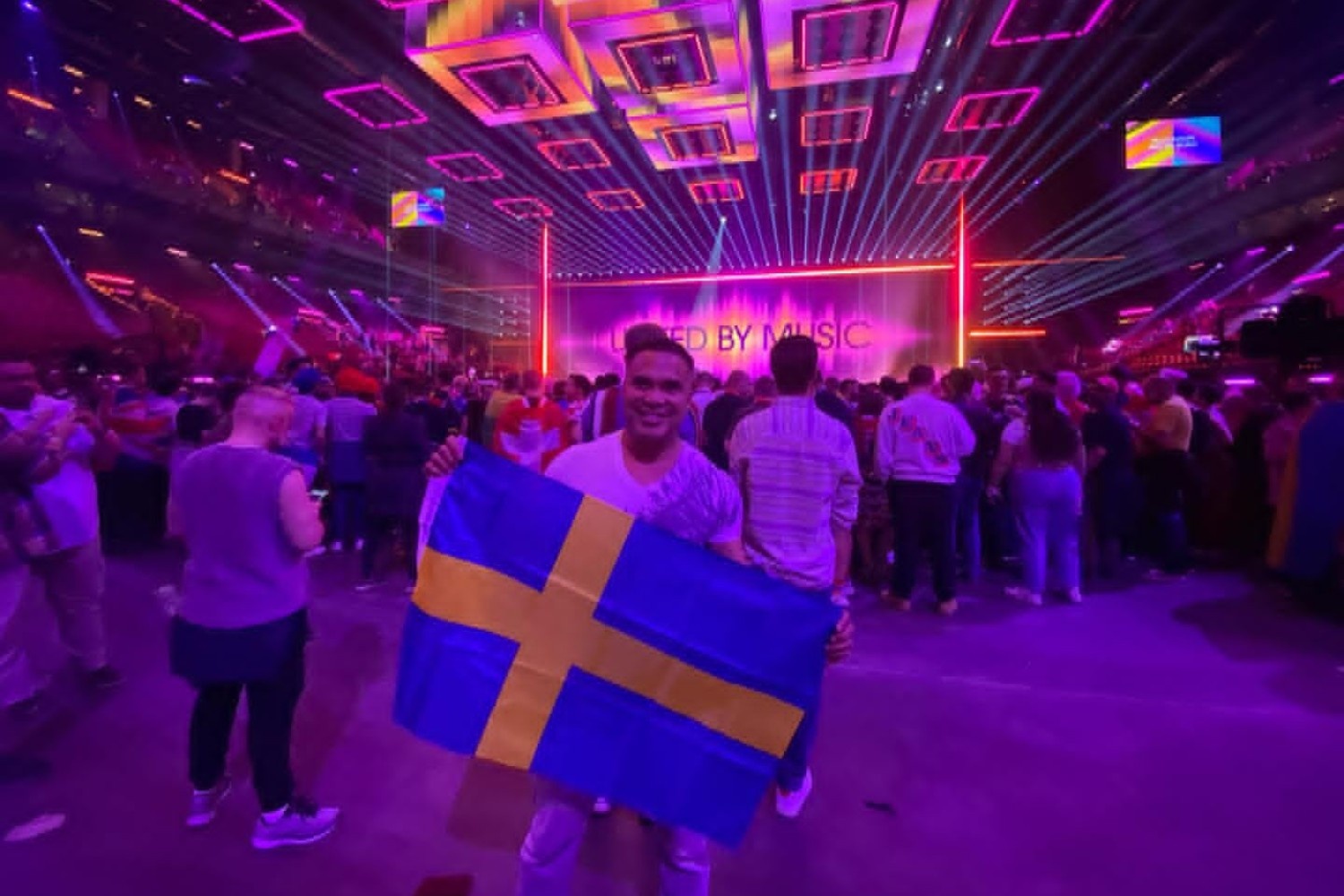
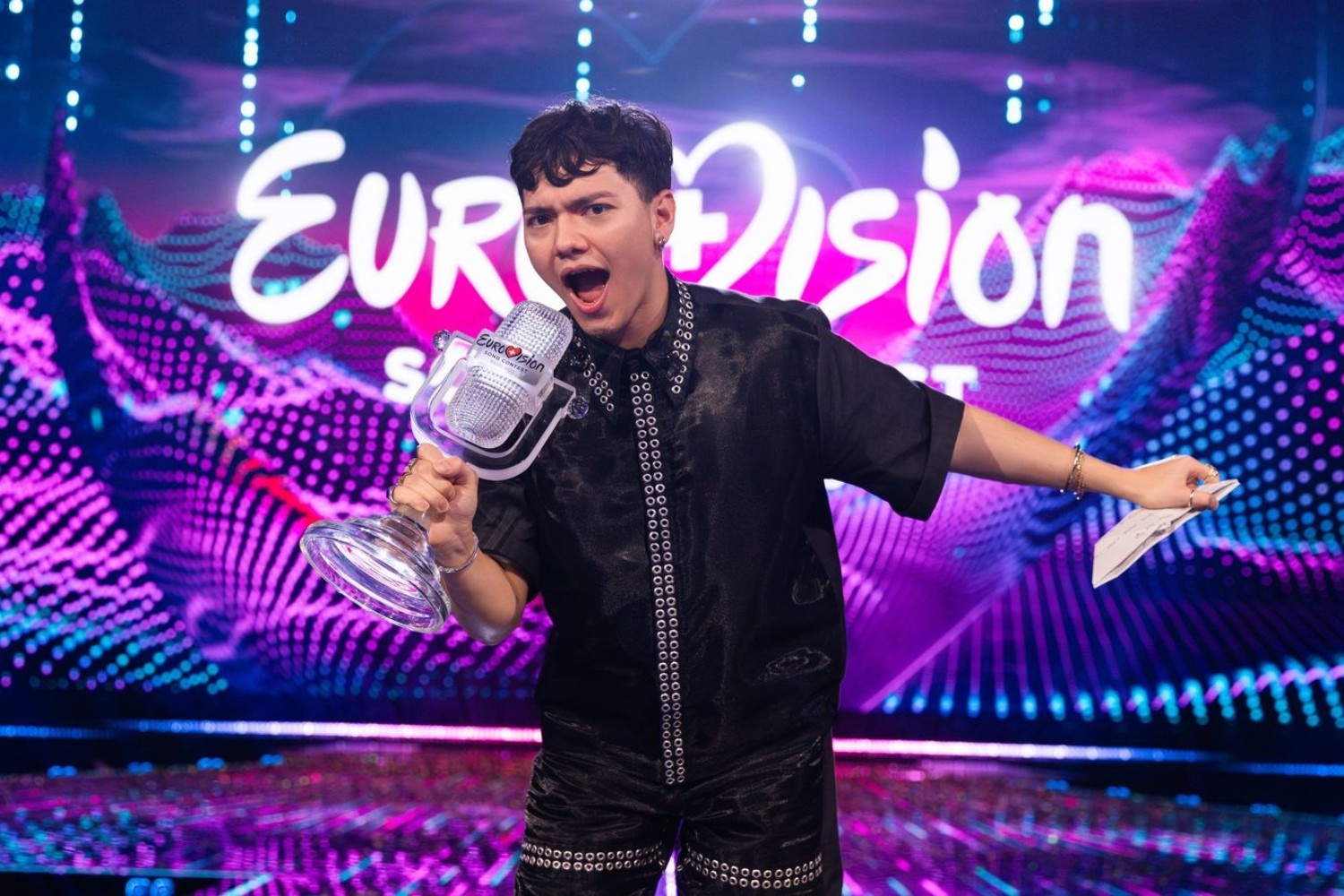

Jose Luise lists his favorite Eurovision moments: “The 2014 Eurovision in Copenhagen was my first time watching live. Eurovision 2021 in Rotterdam was memorable, too, because I won VIP tickets and I got to bring a friend to watch it with me. Imagine: unlimited food and drinks! We had so much fun! It was a full circle moment for me when Loreen won again in Liverpool in 2023. Finally, the 2024 edition is important for me because it was held here in my current city, Malmö. I got to help organize events for the OGAE Rest of the World Fans Club, the official fan club of Eurovision.”
So imagine the hype when Filipino-Austrian singer Johannes “JJ” Pietsch won Eurovision for Austria in 2025 with “Wasted Love,” winning both the jury and public votes in Basel with his operatic vocals and the emotional intensity of unrequited love set over electronic music.
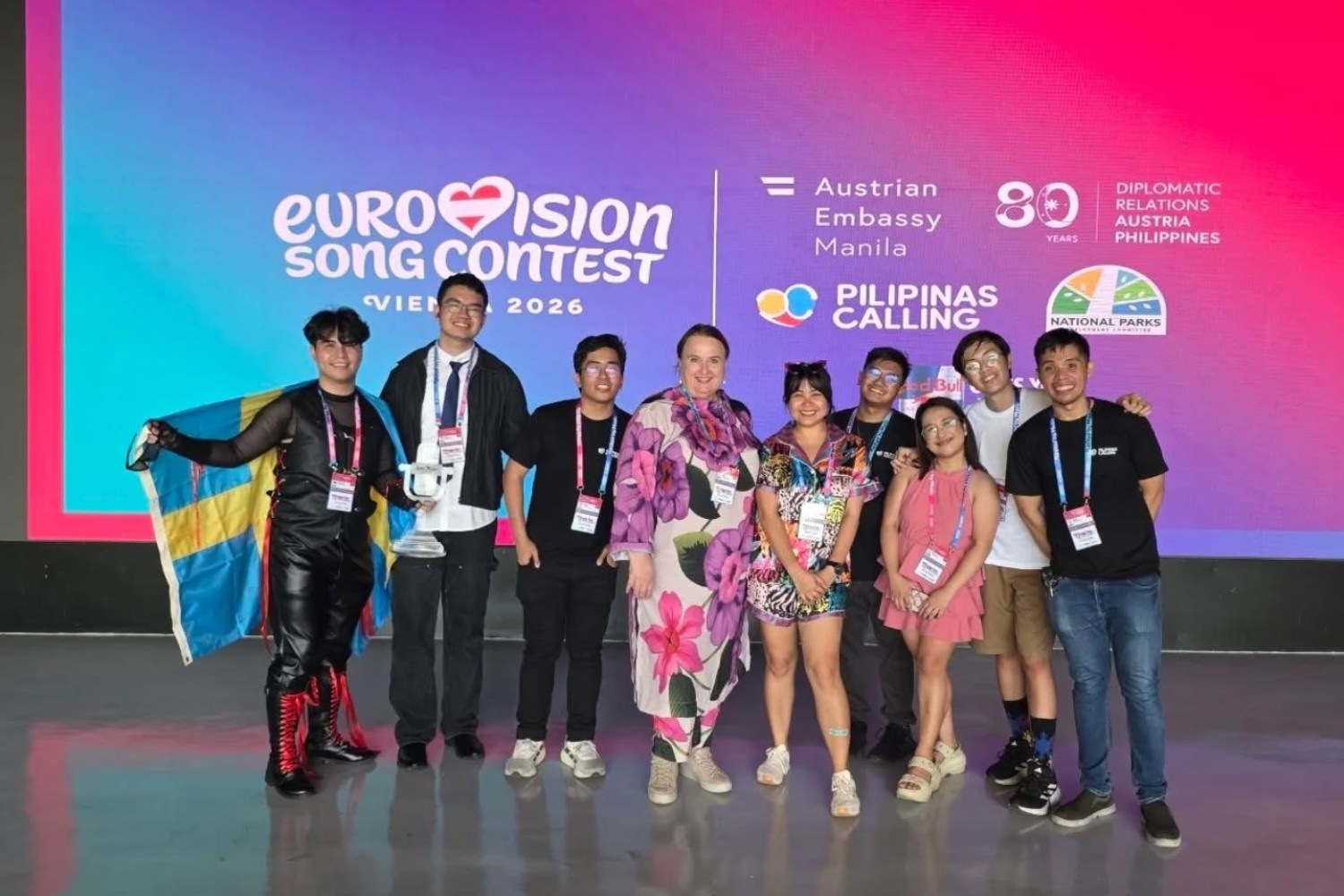
JJ delivered a message to fans on May 17 when the Austrian Embassy in Manila, led by Consul Margit Lodoit and Press, Education, and Cultural Affairs Officer Madeleine Mitchell D. John, and fan group Pilipinas Calling hosted the Eurovision Viewing Party: Pinag-Isa ng Musika at The Rizal Park Open-Air Auditorium. It was attended by around 50 participants who watched DARA from Bulgaria take the surprise win for the electro-pop song “Bangaranga.”
Having an official watch party was a breakthrough for the Pilipinas Calling team of Ludhovik Luiz Madrid, Daniel Angelo Gonzalez, Meel Valencia, Raniel John Macanang, Noel Paulino, Kathleen Joy Tagulalac and Elvis Antero, who started organizing Eurovision watch parties in 2023 at 24-hour joints since the show starts around 3 a.m. in Manila.
“Managing the tech booth, stage and program flow was challenging but fun. It was rewarding collaborating with the Austrian Embassy, having ABS-CBN executives led by Music Head Roxy Liquigan announce the national selection, and seeing fellow Eurovision fans dancing and having fun. It was also the first time having foreigners at the watch party,” the team said, adding that they are all excited to watch Eurovision Asia live in Bangkok in November.
Swipe or click arrows to see photos


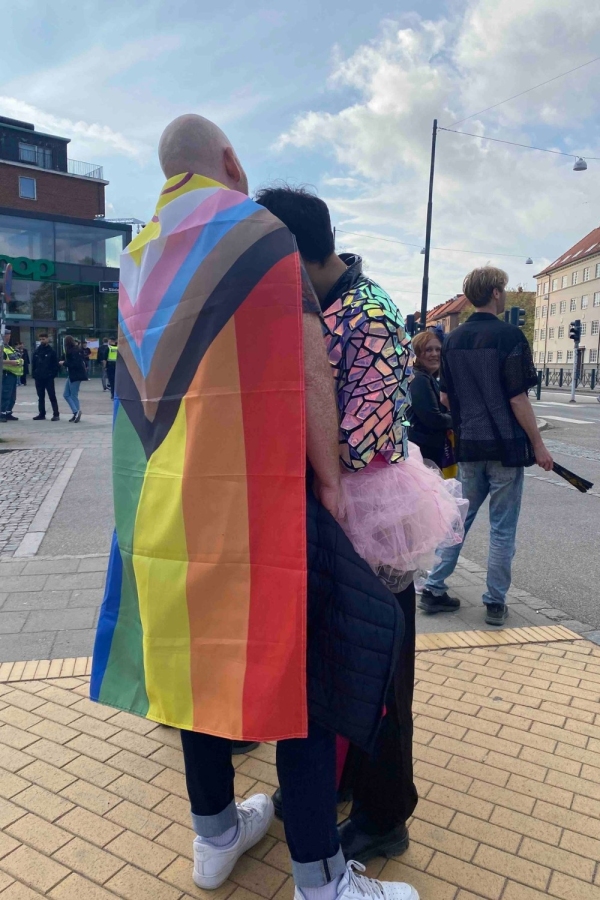
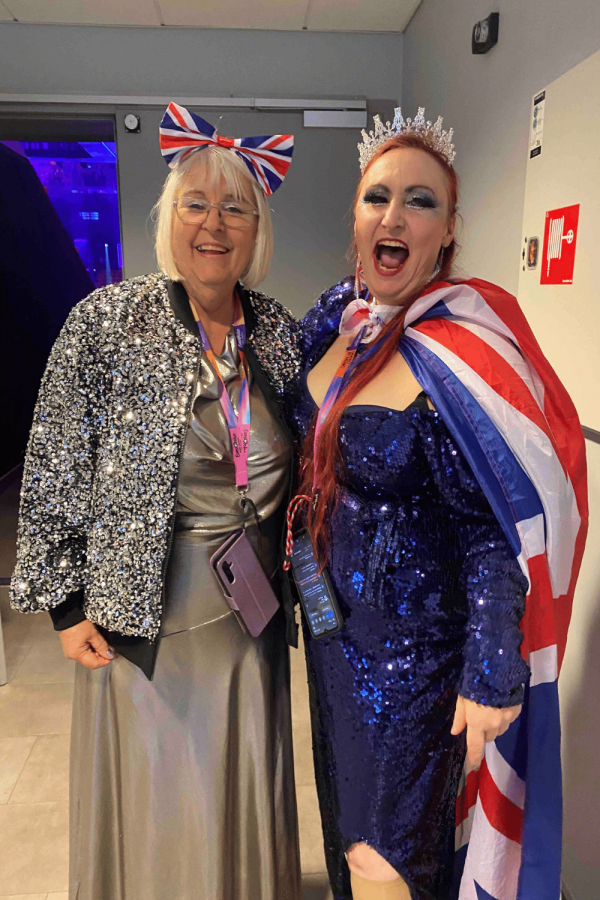
There are a lot of controversies surrounding Eurovision, I know, and for me, it is entertainment that hastens homesickness. Martin and I started hosting Eurovision with family where I learned about Swedish pop culture, then I got Pinoy punchlines from the Pilipinas Calling group along with Eurovision memes.
Eurovision is more than a silly Netflix movie, and it’s not like “American Idol.” Any country with an eligible public broadcaster can be invited or qualify through EBU membership. Songs can be in any language as long as they run for three minutes max, and winners don’t get flush with cash like in “The Voice.”
Eurovision is really more about prestige and representing one’s country in a scale that rivals the Super Bowl, complete with sequins, smoke and pyros.
READ:

When Filipino fandoms turn toxic
radar Entertainment
April 17, 2026

From kilig to chaos: Inside PH’s obsession with fan shipping culture
Denchelle Castro
June 24, 2026

Meet HALO, the Philippines’ first AI-powered P-pop group
Top Dagohoy
July 4, 2026