Experts say nuclear energy is far from a guaranteed solution despite the potential benefits.
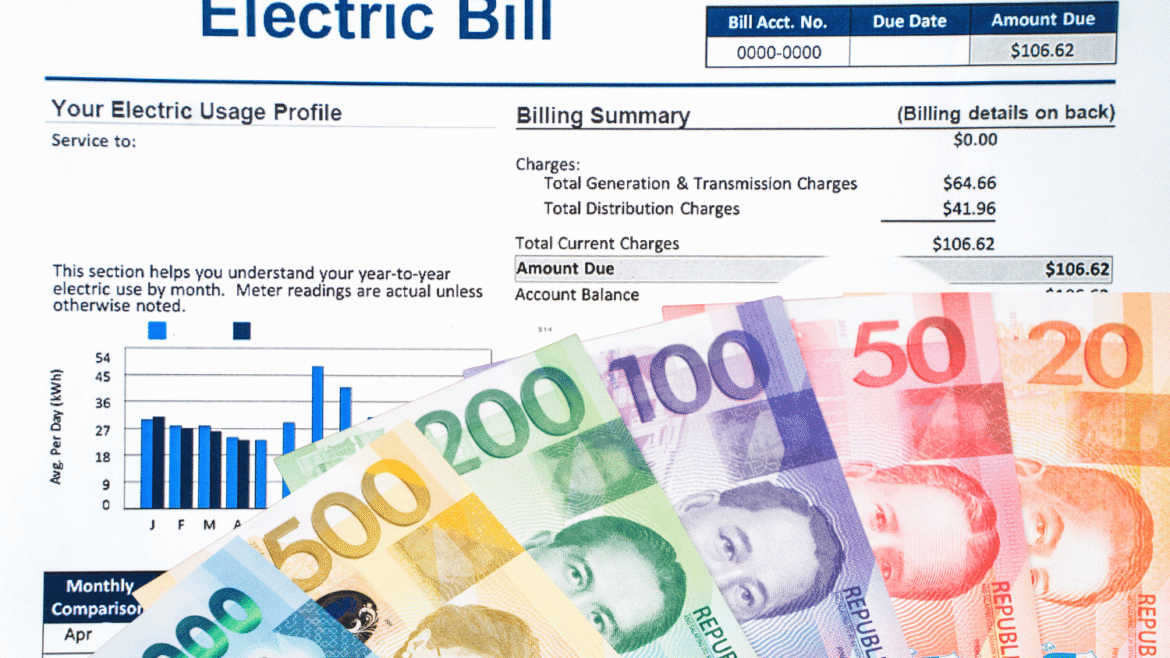
You open your monthly electric bill expecting another increase. You scan the charges and, once again, the biggest culprit isn’t the taxes or distribution fees—it’s the generation charge.
For many Filipino households, that has become a familiar and frustrating experience. Generation charges, which pay for the actual production of electricity, often make up the largest portion of a power bill. When global coal or natural gas prices rise, consumers immediately feel the impact.
That is exactly why nuclear energy has reentered the national conversation.
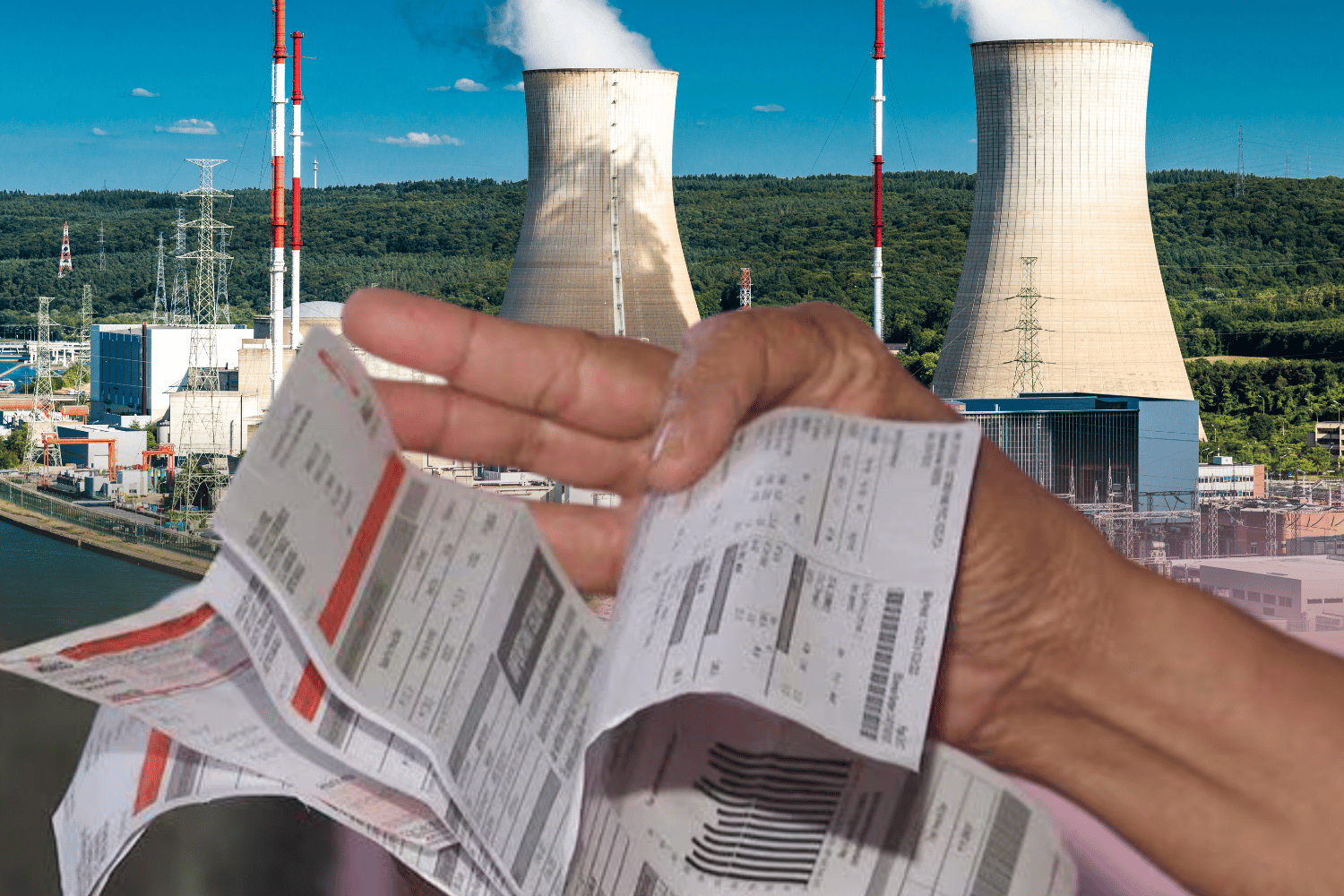
The Marcos administration is targeting 2032 for the country’s first operational nuclear power plant, arguing that it could help lower electricity prices, improve energy security, and reduce the country’s dependence on imported fossil fuels. But the proposal also comes with enormous costs, safety concerns, and political debates.
So is nuclear power the solution Filipinos have been waiting for?
Why supporters are pushing for it
The Philippines has long struggled with some of the highest electricity prices in Southeast Asia. Unlike neighboring countries that have access to abundant domestic fuel or cheaper energy sources, the country imports much of the coal and fuel used by its power plants. Every time international fuel prices spike or supply chains are disrupted, electricity prices tend to follow.
Supporters say nuclear power could change that.
Once a nuclear plant begins operating, it can generate massive amounts of electricity around the clock without relying on daily shipments of imported coal or gas. Unlike solar and wind farms, whose output depends on weather conditions, nuclear plants provide steady “baseload” electricity 24 hours a day.
This stability could reduce the country’s exposure to volatile fuel prices and lessen the frequency of supply shortages that contribute to expensive generation charges.
Nuclear power also produces very low greenhouse gas emissions during operation, making it attractive to countries trying to reduce their dependence on coal while still meeting growing electricity demand.
The government is also studying newer technologies such as Small Modular Reactors (SMRs), which are significantly smaller than traditional nuclear plants and are designed to be easier and potentially safer to deploy in an archipelagic country like the Philippines.
Why critics remain cautious
Despite the potential benefits, many experts say nuclear energy is far from a guaranteed solution.
The biggest concern is cost.
Building a nuclear power plant requires billions of pesos in investment and years of construction. Critics argue that consumers could end up paying for these massive infrastructure costs long before the plant begins producing electricity.
Timing is another issue.
Even under the government’s timetable, the country’s first nuclear facility is unlikely to operate before 2032. That means it cannot solve today’s high electricity prices or recurring power shortages.
Safety also remains one of the most controversial issues.
The Philippines sits on the Pacific Ring of Fire, making it vulnerable to earthquakes, volcanic eruptions, and powerful typhoons. Opponents question whether any nuclear facility can be adequately protected against multiple natural hazards over several decades.
Another unresolved issue is radioactive waste.
The country still lacks a permanent system for storing and managing spent nuclear fuel, which remains hazardous for thousands of years.
More than just building a power plant
Even if the country decides to move forward, several hurdles remain.
Existing laws governing the electricity market would need to accommodate commercial nuclear power. Regulators must establish internationally credible safety standards through the Philippine Atomic Energy Regulatory Authority. The country must also train an entirely new generation of nuclear engineers, operators, inspectors, and emergency responders after decades without an active nuclear industry.
The long-debated Bataan Nuclear Power Plant also continues to divide public opinion. Some believe rehabilitating it would be faster than starting from scratch, while others argue that newer facilities would be safer and more practical.
The question every consumer should ask
When your electric bill arrives next month, the generation charge will likely remain the biggest number on the page.
Nuclear power promises a future where electricity is more stable and less vulnerable to global fuel shocks. But getting there would require billions in investment, years of preparation, sweeping legal reforms, and public confidence that the technology can be operated safely.
For now, the debate is no longer simply about reviving a power plant. It’s about whether Filipinos are willing to invest in one of the country’s most ambitious—and most controversial—answers to the country’s power crisis.
READ:
ERC orders more transparent electricity bills for consumers
John Lloyd Aleta
July 13, 2026
OPINION: Meralco can lower electricity bills by managing its greed — not just growing its profits
Top Dagohoy
July 13, 2026
Irish vlogger calls PH electricity the most expensive he’s ever paid for
Aldy Celestial
July 13, 2026