Walk through a typical Philippine supermarket today and you will find imported cherries, blueberries, grapes, and plums. But finding kalumpit, a native Filipino fruit with a remarkably similar flavor profile, is an entirely different story.
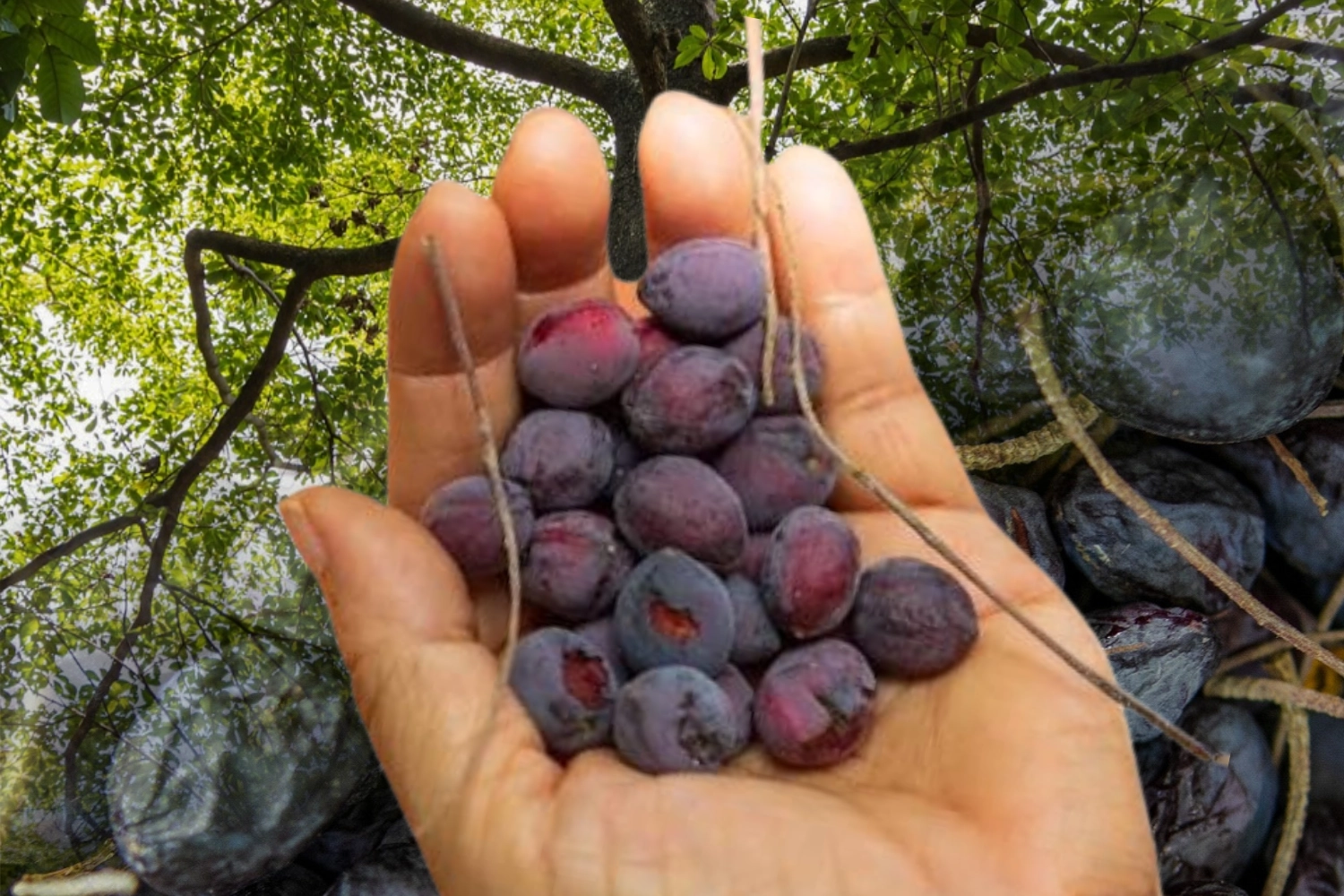
Known scientifically as Terminalia microcarpa and sometimes called the “Batangas cherry,” kalumpit was once a familiar seasonal treat in parts of the countryside. Today, it is rarely encountered in mainstream fruit markets, despite its extraordinary culinary versatility.
The fruit grows on towering native trees that can reach approximately 25 to 35 meters. Its small, oval fruits ripen from green to deep crimson or purplish-black, revealing juicy flesh with a distinctive sweet, sour, and slightly astringent flavor.
Kalumpit grows naturally in Philippine forests, particularly in Luzon and parts of the Visayas and Mindanao. Its historical abundance is even associated with the naming of Calumpit, Bulacan.
A fruit with endless possibilities
What makes kalumpit remarkable is how many ways Filipinos have traditionally enjoyed it.
Fresh kalumpit can be eaten with salt or sugar, much like other sour native fruits. Its tartness also makes it suitable for jams, jellies, marmalades, and preserves.
In Batangas and Quezon, the fruit has been used in homemade wines and lambanog infusions, producing beverages with a distinctive fruity character.
Its natural acidity and rich color also make it promising for syrups, candies, frozen desserts, and other processed fruit products.
Beyond its culinary appeal, kalumpit has attracted scientific interest because of its phenolic compounds and antioxidant activity. Research published in the Journal of Microbiology, Biotechnology and Food Sciences has examined its potential as a source of natural antioxidants, although laboratory findings should not be confused with proven medical benefits.
Why is kalumpit fading away?
Despite these qualities, kalumpit remains largely absent from commercial agriculture.
Unlike mangoes, bananas, and pineapples, it has not developed a widespread commercial supply chain. Its seasonal harvest, highly perishable flesh, and limited cultivation make it difficult to distribute through conventional retail markets.
The decline of accessible native forest habitats may also threaten traditional sources of the fruit, although reliable nationwide data establishing a decline in kalumpit populations remain limited.
The irony is difficult to ignore. While imported berries and cherries command premium prices, a native fruit capable of becoming jams, wines, desserts, and specialty beverages remains commercially overlooked.
Kalumpit is not necessarily disappearing from Philippine forests. But it is disappearing from everyday Filipino food culture.
And unless more farmers, food entrepreneurs, and consumers rediscover its potential, another remarkable native fruit risks becoming something future generations will know only from photographs and botanical records.