Katmon grows naturally in the country and nowhere else in the world.
You spot a strange green fruit at a native plant fair. Curious, you take a bite. The first thing that hits you is an intense sourness—sharper than calamansi, fruitier than sampalok. You ask what it’s called.
“Katmon,” the vendor replies.
For most Filipinos, that’s a name they know only because it’s printed on the back of the 25-centavo coin. Few realize it was once one of the country’s favorite pampaasim long before sampalok and calamansi took over Filipino kitchens.
Before sampalok, there was katmon
Centuries ago, our ancestors relied on katmon (Dillenia philippinensis) to give soups and stews their signature tang.
Its crisp, highly acidic flesh was dropped into fish broths, paksiw, and early versions of sinigang, adding a clean, fruity sourness that complemented seafood and meat. Rural communities also sliced the fruit and ate it with salt or bagoong, much like green mangoes today.
With its naturally high pectin content, katmon was also turned into jams, jellies, marmalades, and preserves.
A fruit found only in the Philippines
Katmon is endemic to the Philippines, meaning it grows naturally nowhere else in the world.
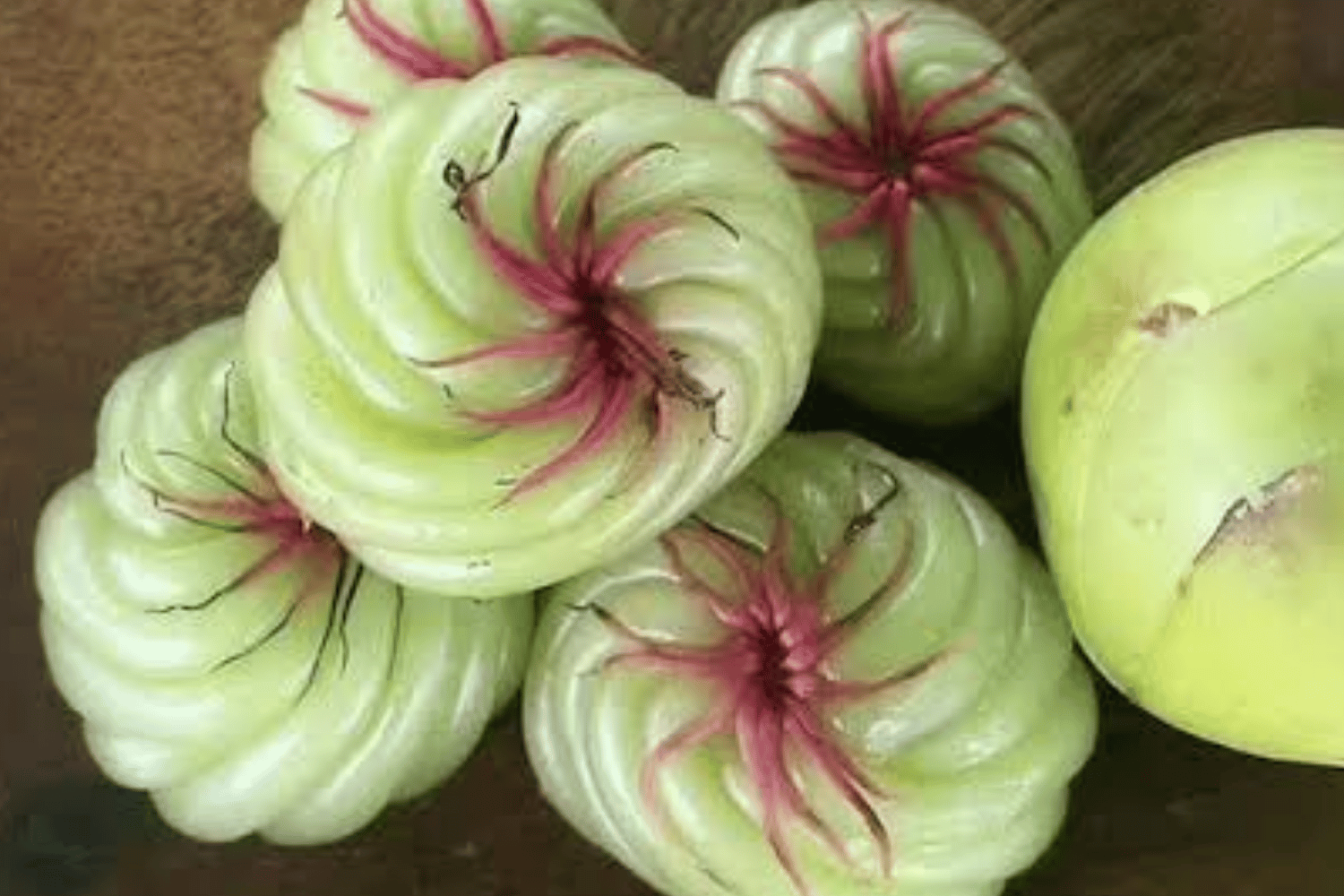
The evergreen tree thrives in lowland forests and riverbanks from Luzon to Mindanao. It bears large white flowers with deep red centers before producing its distinctive round green fruits enclosed by thick fleshy sepals.
Despite being uniquely Filipino, katmon has quietly faded from everyday life.
Why it disappeared
As sampalok became more widely cultivated and calamansi became household staples, katmon gradually disappeared from kitchens.
Urbanization and the loss of native forests further reduced the number of mature trees. Today, the fruit is rarely found in public markets and survives mostly in botanical gardens, conservation sites, and a handful of farms that continue to grow native species.
A taste of the past
Katmon isn’t just an old fruit. It’s a reminder of what Filipino cuisine tasted like before imported crops and commercial farming reshaped our ingredients.
Ironically, millions of Filipinos carry its image in their pockets every day through the 25-centavo coin.
But for a fruit that once flavored the meals of our ancestors, katmon has become something many Filipinos have never seen, never tasted, and never even knew was part of our culinary heritage.
READ: