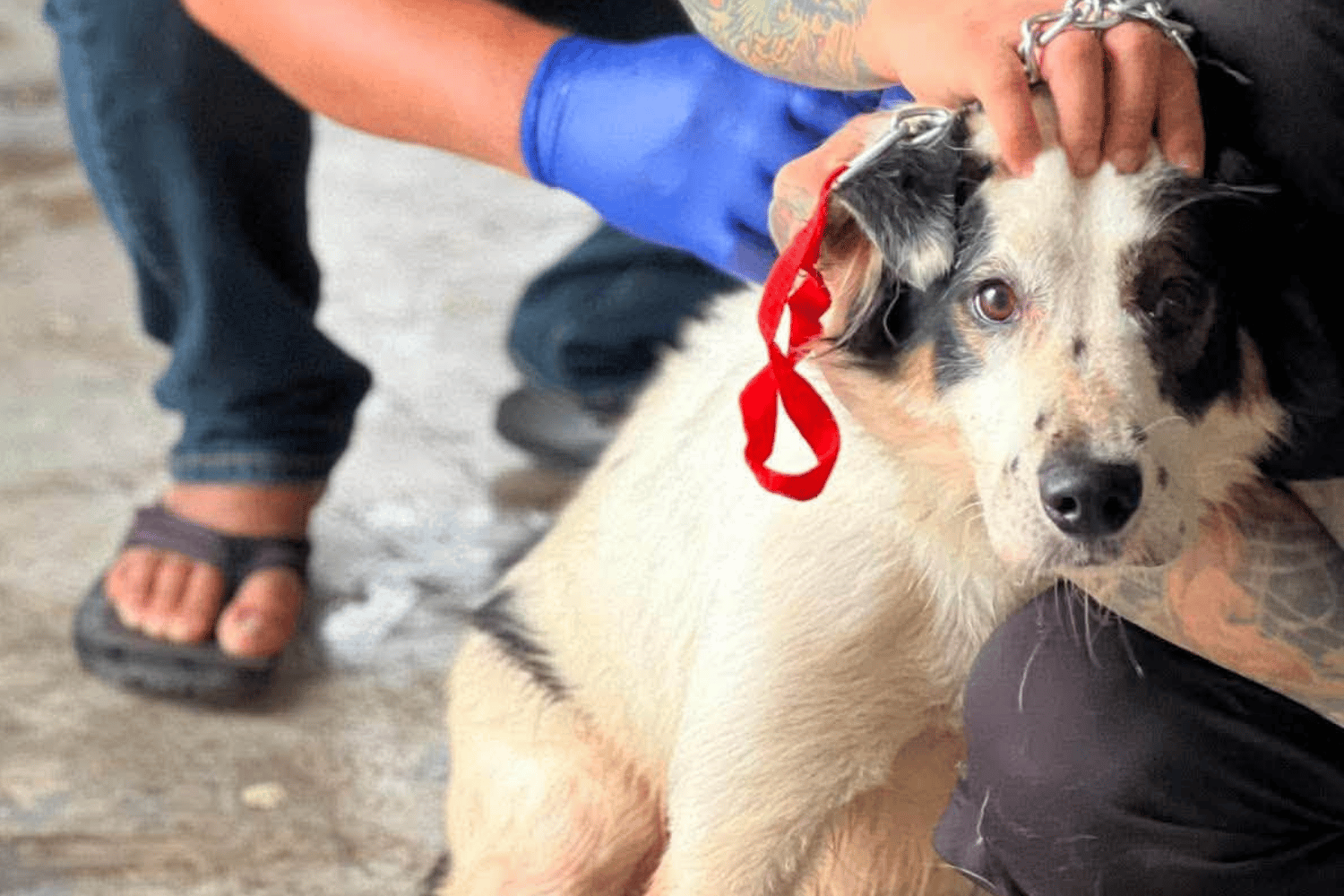
“They were fed, but looking back, I don’t think it was enough,” Luyong said, recalling how her family did not know if their pets were ever vaccinated or dewormed.
When their animals got sick, her mother relied on home remedies, and their deaths were often attributed to poison, snake bites, or natural causes.
“Today, I’m a veterinarian, and I know better,” Luyong said. “Looking back, I know many of those pets could have lived longer and suffered less if we had enough money for proper nutrition, vaccinations, parasite prevention, and veterinary care.”
While she currently owns two dogs, she said her veterinary practice has exposed her to “many heartbreaking stories” of pet animals who died due to their owners’ inability to afford treatment. She added that while adopting a stray may come from good intentions, rehoming a pet to someone who can provide better care may sometimes be the kinder choice.
“Responsible pet ownership isn’t just about feeding them,” she said. “It also means vaccinating them, deworming them, giving them parasite prevention, having them spayed or neutered, providing proper nutrition, and being financially prepared when they get sick. It also means protecting your family from preventable diseases like rabies.”
Luyong also pointed to the need for stronger animal welfare programs and laws, saying the responsibility should not fall only on individual pet owners. At the same time, she urged people to be intentional before taking in an animal, saying pets should “never become collateral damage because of decisions we weren’t prepared to make.”
The post drew different reactions from Filipinos online. Some agreed that people should consider whether they can provide proper care before taking in a pet, pointing to how many aspins suffer from being left to roam in the streets unneutered and unvaccinated, or being restrained with short chains or cages.
Others argued that poverty alone should not determine whether someone can own a pet, saying the bigger issue is irresponsible ownership regardless of income. Some also emphasized the need for greater education and more accessible veterinary services.
Under Section 6 of Republic Act No. 8485, or the Animal Welfare Act, neglecting to provide adequate care, sustenance, or shelter to animals is unlawful and punishable by fines or imprisonment.
However, veterinary care remains costly for many households. A single visit to the veterinarian can already cost hundreds of pesos, excluding medicines, laboratory tests, and procedures. For some owners, these expenses become a reason to delay or avoid seeking medical care for their pets.
This has also renewed calls for more accessible veterinary services. In October 2025, House Bill 5059, or the Animal Medical Center Act, was filed. It seeks to establish public veterinary clinics in every local government unit nationwide.
READ: