It helps turn the illegal capture of wild birds into a profitable social media trend.
At what point does a social media platform stop being merely a host and start becoming part of the problem?
That question must be asked of Meta after yet another Facebook page surfaced showing the apparent hunting and capture of wild birds in the Philippines.
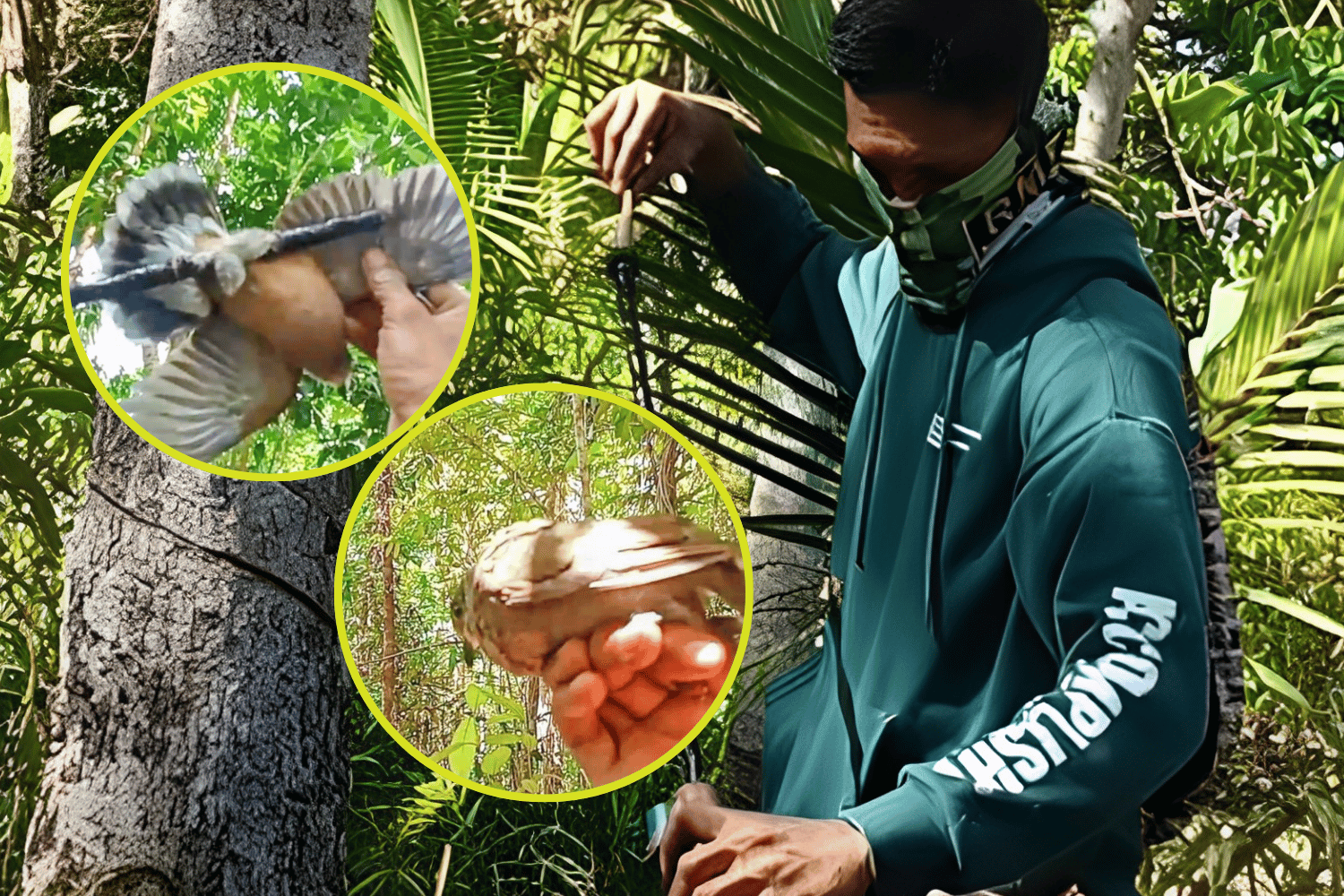
“Tonic’s Hunting Vlog,” a page that identifies its location as Zamboanga City, has around 11,000 followers and more than 1,000 posts. Its description says it plainly: “content for Hunting and forest adventures.”
Its posts are even more explicit.
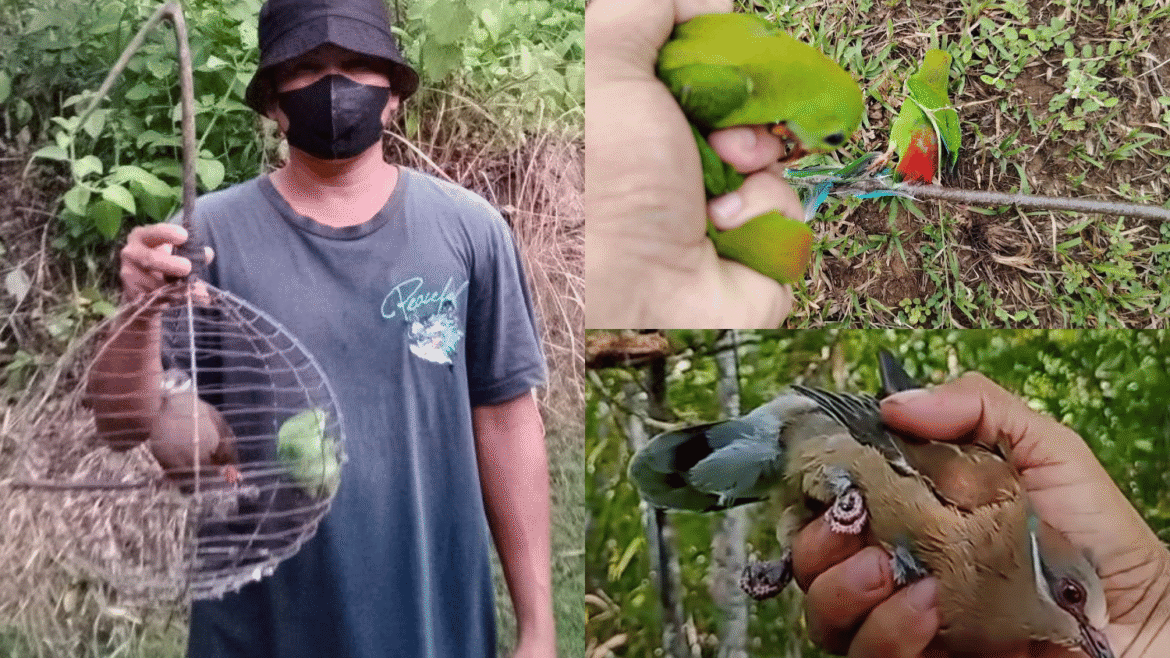
Wild birds are shown being held after apparent capture. Traps and cages appear in forests. One post shows a nest containing chicks and eggs. Captions repeatedly celebrate “hule” and “hunting,” presenting the activity as entertainment for followers.
What makes this especially disturbing is the apparent monetization surrounding such creator content.
If Meta allows creators to earn from videos depicting apparent wildlife hunting and capture, it creates exactly the wrong incentive: catch more birds, produce more videos, attract more views, earn more money.
That risks transforming wildlife exploitation from an old illegal practice into a social-media business model.
And Meta cannot simply wash its hands of responsibility.
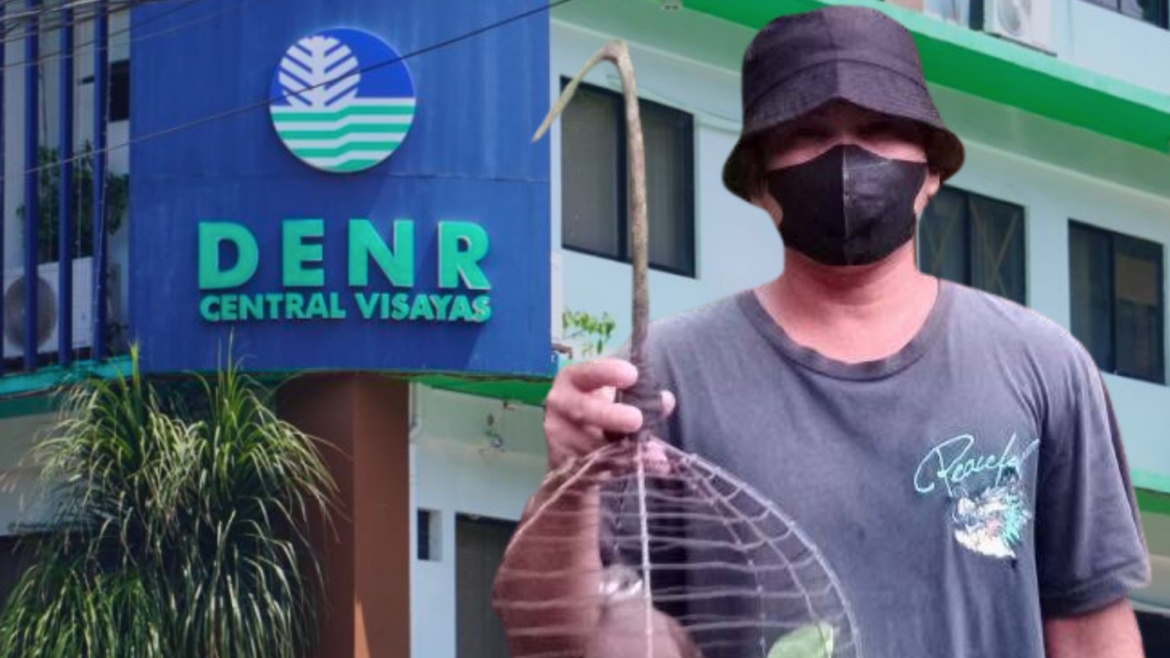
We previously reported another Facebook page, “Secret Hunter,” based in Bohol, whose posts similarly showed birds apparently being trapped and captured. Despite mass reports from concerned users, the page has remained accessible.
Now we find “Tonic’s Hunting Vlog.”
How many more are there?
Philippine law is not ambiguous about unauthorized wildlife collection. Republic Act No. 9147, or the Wildlife Resources Conservation and Protection Act, prohibits acts including collecting, hunting and possessing wildlife without the authorization required by law. Wildlife trading and transportation are likewise regulated. Violations can result in imprisonment and fines, depending on the offense and conservation status of the wildlife involved.
This is why DENR should investigate these pages immediately. Authorities must identify the species being captured, determine whether permits exist and establish where and how these animals were obtained. If violations are proven, those responsible should face the full consequences of the law.
But enforcement cannot end with the hunters.
Meta needs to answer for the ecosystem it has created.
A platform that potentially rewards viral engagement cannot pretend that monetization has nothing to do with what creators choose to produce. When shocking wildlife captures generate views, followers and possibly income, Facebook’s system can turn cruelty and suspected illegal activity into an incentive.
Meta should immediately review these pages, suspend monetization where violations are found, preserve relevant evidence for authorities and remove content that violates its rules.
The public should continue reporting these accounts to Facebook and forwarding screenshots, links and other evidence to DENR. Do not harass the creators; document and report them.
Because every peso potentially earned from a trapped bird sends a dangerous message:
The forest can be turned into a studio. Wildlife can become props. And breaking wildlife laws can become content.
Meta should be helping stop that cycle—not rewarding it.