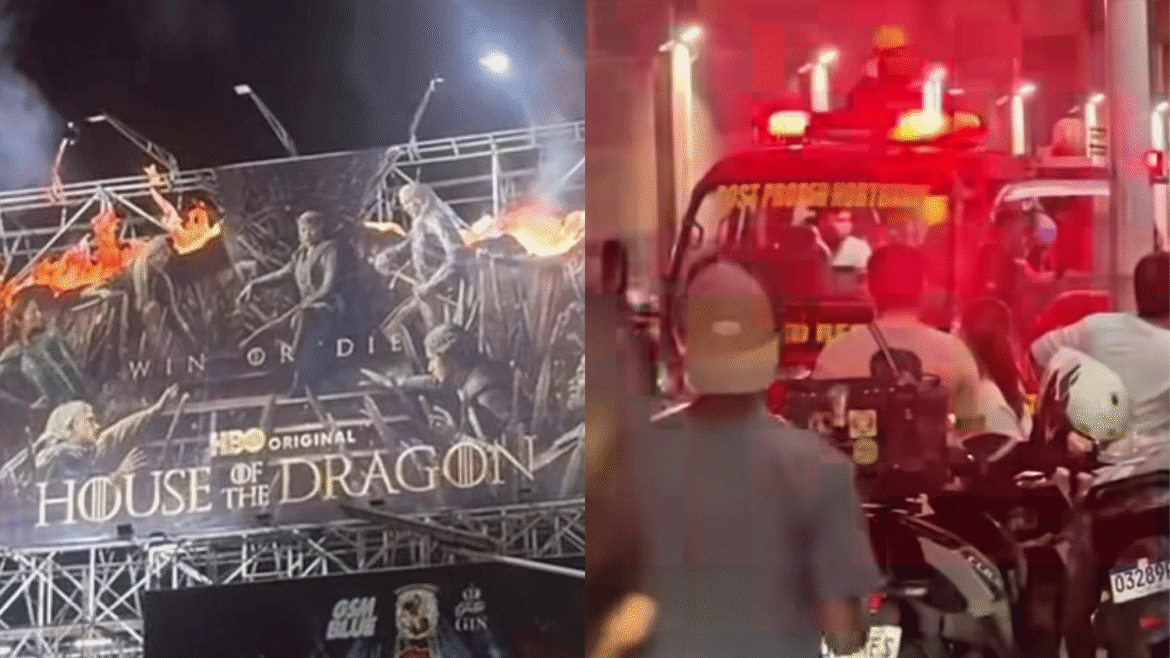
A similar case stands along the Magallanes Flyover, with massive digital screens positioned almost at eye level with motorists, causing severe “disability glare” or a temporary blinding effect.
The situation exposes a major red flag in the Philippine Out-of-Home advertising industry. In the need to capture consumer attention in crowded visual landscapes, media agencies are locked in a luminance arms race.
Brighter screens result in higher visibility, which translates to better reach for advertisers. But this aggressive marketing strategy creates massive environmental and public health costs.
The immediate human toll is well-documented in a pivotal 2016 report, with medical bodies like the American Medical Association warning the public that intense, blue-rich light from LED displays severely suppresses melatonin production, forcing residents in nearby condominiums into chronic sleep disruption.
That same year, DarkSky International highlighted that this excessive urban luminance creates “skyglow”—the exact phenomenon altering the clouds above EDSA. As noted in a 2022 study by the Cornell Lab of Ornithology, this type of light pollution severely disorients nocturnal migratory birds, drawing millions of flocks off-course and resulting in exhaustion or fatal collisions with surrounding infrastructure.
Locally, excessive luminance creates what UP Diliman Wildlife and Field Biologist Jelaine Gan calls a “novel condition” in our ecosystems. The glare alters the sleep cycles and reproduction of nocturnal insects like moths, while disorienting the body clocks of local frogs, leaving them unable to hunt or evade predators.
Nocturnal birds, such as local owls and nightjars, lose their natural cover and become highly vulnerable to harm. Even the mating behaviors of local fireflies (aninipot) and the foraging patterns of fruit bats are directly compromised by the relentless glare of the Attention Economy.
Beyond the biological toll, maintaining this visual dominance carries a massive carbon footprint. A single high-definition digital billboard can consume up to 30,000 kWh annually. In a country heavily reliant on fossil fuels, the aggressive brightness demanded by these campaigns translates directly to metric tons of localized carbon emissions.
Ultimately, addressing this issue does not require reinventing urban planning; it simply requires political will.
In neighboring cities like Makati, they observe City Ordinance No. 2013-A-044, wherein billboards are explicitly mandated to use lighting that does not “produce glare or unwanted reflectance.”
On an international scale, in 2023, Paris officially banned illuminated digital screens in commercial areas between 1 a.m. and 6 a.m., explicitly citing the need to cut carbon emissions and reduce light pollution.
LGUs and responsible agencies need to enforce these exact same luminance caps on public highways. Advertising is designed to capture attention, but it shouldn’t be allowed to hold a city’s infrastructure hostage. A successful marketing campaign should never require sacrificing the night sky—or public safety—to get noticed.
READ: