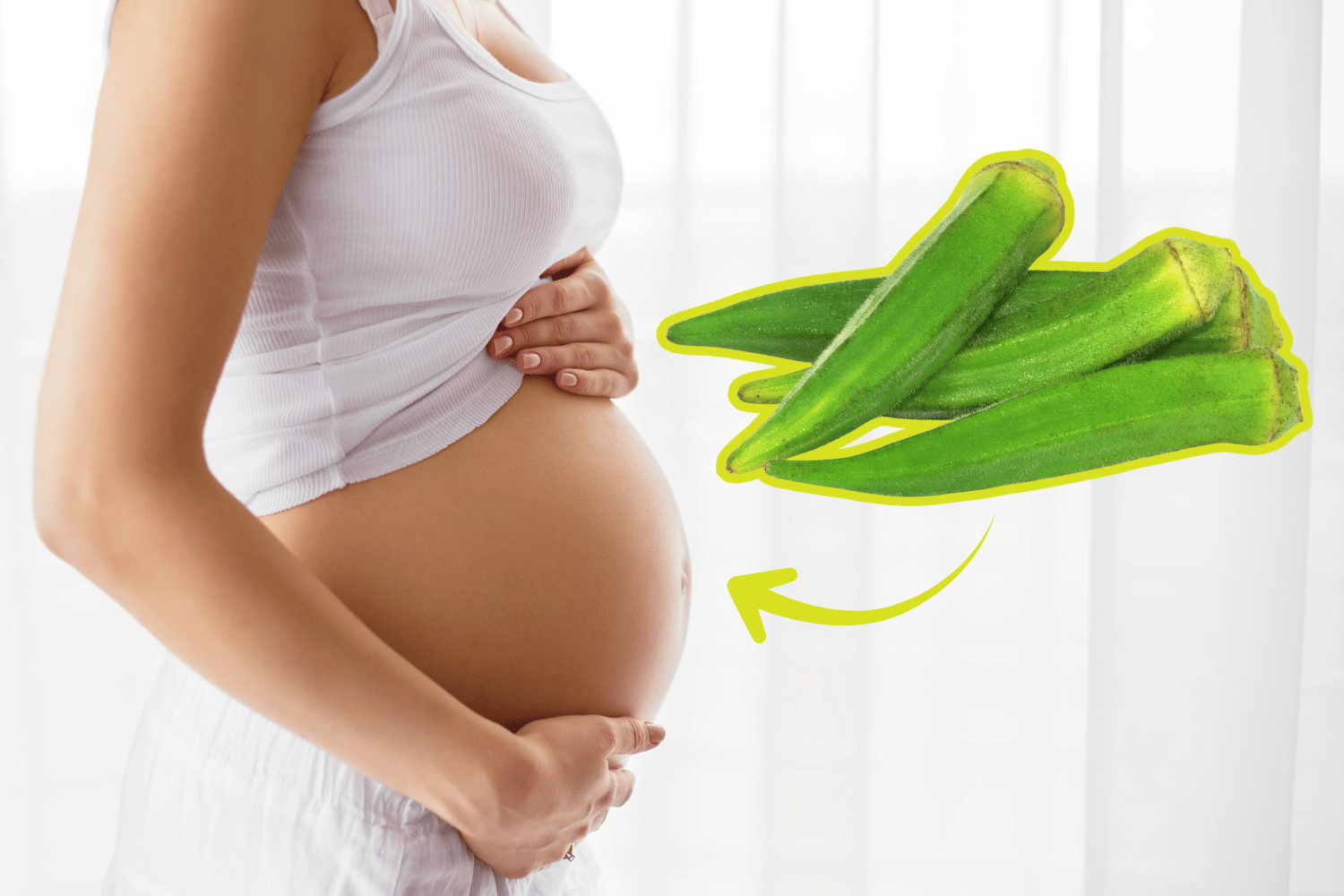
Its greatest appeal is that getting okra onto the plate doesn’t require expensive “superfood” products.
The humble okra may be inexpensive and commonplace in Filipino kitchens, but for pregnant women, this familiar green vegetable brings together several nutrients that matter during pregnancy.
Its biggest advantage is folate, or vitamin B9, along with fiber and other vitamins and minerals. Cleveland Clinic specifically lists pregnancy and fetal development among okra’s potential nutritional benefits because of its folate content.
Folate for baby’s early development
Folate is particularly important during the earliest stages of pregnancy because it is needed for cell growth and development.
The U.S. Centers for Disease Control and Prevention (CDC) explains that the neural tube, which eventually develops into the brain and spinal cord, closes during the third and fourth weeks of pregnancy—sometimes before a woman even realizes she is pregnant. Low folate levels during early pregnancy are associated with neural tube defects such as spina bifida and anencephaly.
That makes folate-containing foods such as okra a useful addition to a balanced prenatal diet.
But okra should not be treated as a substitute for prenatal vitamins. The American College of Obstetricians and Gynecologists (ACOG) recommends 600 micrograms of folic acid daily during pregnancy and advises taking a prenatal vitamin containing at least 400 micrograms because getting enough from food alone can be difficult.
Fiber for a happier pregnancy
Then there is okra’s famous—or infamous—slime.
That gooey texture comes partly from soluble fibers such as pectin. Cleveland Clinic notes that fiber supports digestive health, while okra’s fiber may also slow the absorption of sugar and carbohydrates.
That makes okra a practical high-fiber vegetable for a pregnancy diet, especially when constipation becomes a problem.
Its fiber may also be helpful as part of an overall healthy eating pattern for managing blood sugar. However, okra should not be presented as a treatment or preventive cure for gestational diabetes.
What about anemia?
Pregnancy dramatically increases the body’s need for iron because additional blood is required to supply oxygen to the developing fetus.
ACOG says pregnant women need about 27 milligrams of iron daily, compared with 18 milligrams when not pregnant. Iron deficiency is also one of the most common causes of anemia during pregnancy.
Okra can contribute nutrients to a varied diet, but it should not be considered a treatment for anemia. Pregnant women diagnosed with anemia may require iron supplementation under the guidance of their obstetrician.
Cheap, simple and easy to add to meals
Perhaps okra’s greatest appeal is that getting it onto the plate doesn’t require expensive “superfood” products.
It can be steamed, boiled, grilled or added to sinigang, pinakbet and other vegetable dishes. Its nutritional value comes packaged in one of the most accessible vegetables found in Philippine markets.
For expectant mothers, however, the lesson isn’t that okra is a miracle pregnancy food. No single vegetable can provide everything a mother and developing baby require.
Rather, okra is something more practical: an affordable, nutrient-rich vegetable that fits naturally into a varied pregnancy diet.
Sometimes, one of the best foods for pregnancy has been sitting in the neighborhood palengke all along.
READ:
Diabetics have good reason to eat more kangkong
Top Dagohoy
August 8, 2026
Beyond milk, what babies eat can shape their first 1,000 days
Nikko Miguel Garcia
August 14, 2026
Six reasons why the smelly durian is actually good for your health
Top Dagohoy
August 5, 2026