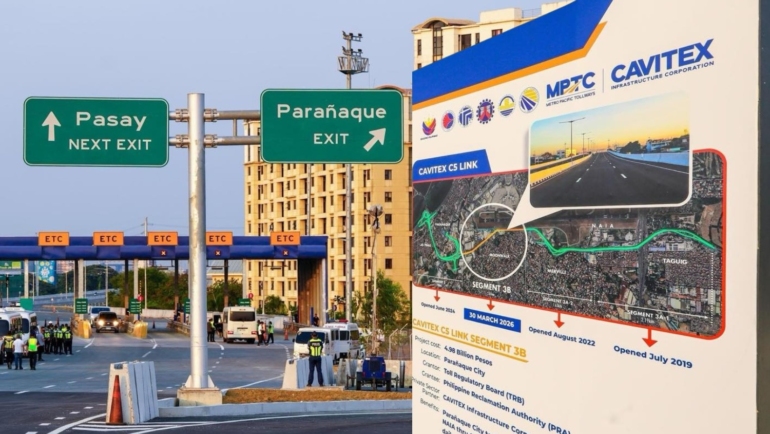
Unified system reduces delays, simplifies toll payments, and improves operations for expressway users and fleet operators
Motorists navigating Luzon’s expressways often face familiar headaches: checking if the right RFID account has a balance, choosing the correct lane, or wondering if they’ll need to pay cash. These small but frequent problems add up, causing delays, wasted time, and lost fuel, especially for businesses and logistics firms relying on predictable travel times.
These issues stem from the old system, where motorists had to juggle between two providers, Easytrip and Autosweep, each with separate wallets usable only on specific expressways. Entering the wrong lane or loading the wrong account could cause costly delays, which is exactly what the “One RFID, All Tollway” program aims to fix.
The Department of Transportation (DOTr) launched the program earlier this week, introducing a single, interoperable RFID system for all major expressways in Luzon. The move is expected to improve tollway efficiency, streamline operations, and reduce administrative overhead for operators, logistics firms, and frequent motorists.

More predictable travel times
Under the One RFID program, motorists can choose either their Easytrip or Autosweep account as their sole provider, now usable across all expressways in Luzon. Previously, Easytrip and Autosweep were limited to specific highways, forcing motorists to maintain multiple accounts and navigate separate lanes.
The unified system is expected to reduce delays for personal and commercial vehicles, making travel times more predictable for commercial fleets and simplifying account management.
To enroll, DOTr said motorists may register online or in person at the offices or websites of their chosen RFID provider. Registration is free, and users must remove the sticker of the unused provider at authorized service centers. Joining the program is voluntary, and balances from discontinued accounts are transferred to the retained account.Registration requires standard vehicle documents, such as sales invoices, official receipts, and certificates of registration.
The program affects more than 700,000 daily travellers on Luzon’s major thoroughfares, a figure expected to rise during the November All Saints’ and All Souls’ holiday rush. For logistics operators and fleet managers, the unified system promises faster travel times, more efficient route planning, and lower fuel costs. Tollway operators benefit from smoother lane operations and simplified transaction monitoring.

Seamless user experience
Industry observers said the program could mark a major shift in tollway operations, improving efficiency for both operators and commercial fleets. Data integration and revenue-sharing between Easytrip and Autosweep will be critical to maintain operational efficiency and a seamless user experience, analysts say.
The interoperability project has been delayed since 2017 due to technical and policy hurdles. With the rollout now underway, DOTr plans to monitor performance during the holiday rush before expanding the program to other regions.
Overall, the One RFID initiative signals a step toward a modern, connected, and responsive transport infrastructure, benefiting motorists, commercial operators, and tollway management alike.