Nearly 3 years after mandatory SIM registration began, scams remain widespread as fraudsters find new ways to reach Filipinos.
The Philippines required millions of mobile users to register their SIMs, promising that linking numbers to verified identities would help authorities fight text scams and other crimes.
Nearly three years later, however, scams remain a routine part of mobile phone use.
Data from Whoscall, a private anti-scam app developed by technology company Gogolook, recorded 6.16 million scam SMS messages and 610,688 scam calls in the Philippines in 2024.
The numbers do not mean SIM registration has done nothing. The Cybercrime Investigation and Coordinating Center (CICC) said registration has helped authorities identify people to pursue, while Whoscall recorded a sharp decline in SMS scams in 2025.
But the National Telecommunications Commission itself acknowledged in April 2026 that SIM registration does not eliminate scams. Authorities said scammers now use number spoofing, automated systems, and online platforms to bypass basic filters.
There is also evidence that the registration system itself can be exploited. In July, the National Bureau of Investigation arrested three Filipinos accused of selling pre-registered SIM cards to scam operators and seized hundreds of such SIMs.
That exposes the limit of SIM registration. Knowing who a number is registered to only helps if the person behind that registration is actually the person using it.
The policy can be one layer of protection, but the continued volume and evolution of scams show that SIM registration has not delivered the level of protection Filipinos were promised.
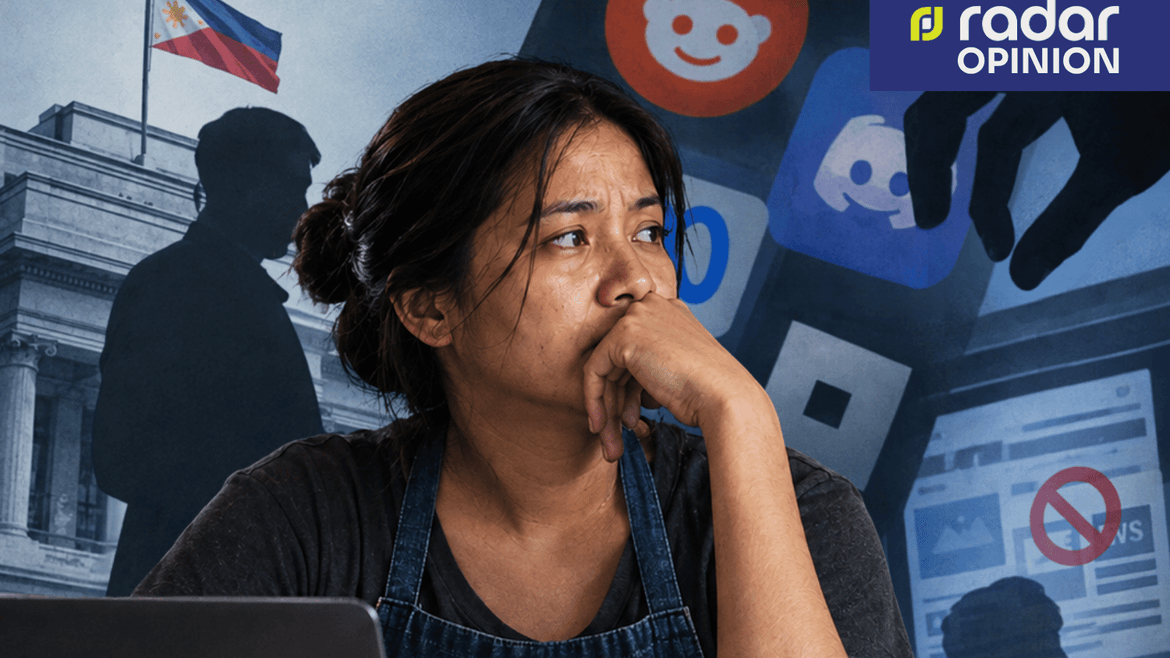
If scammers can simply move from registered numbers to spoofing, social media, messaging apps, and other channels, then registering a SIM is hardly enough to keep scammers at bay.
SIM registration was supposed to curb fraud. It hasn’t. Nearly three years later, the scams are still here, and scammers have simply found other ways in.
READ: