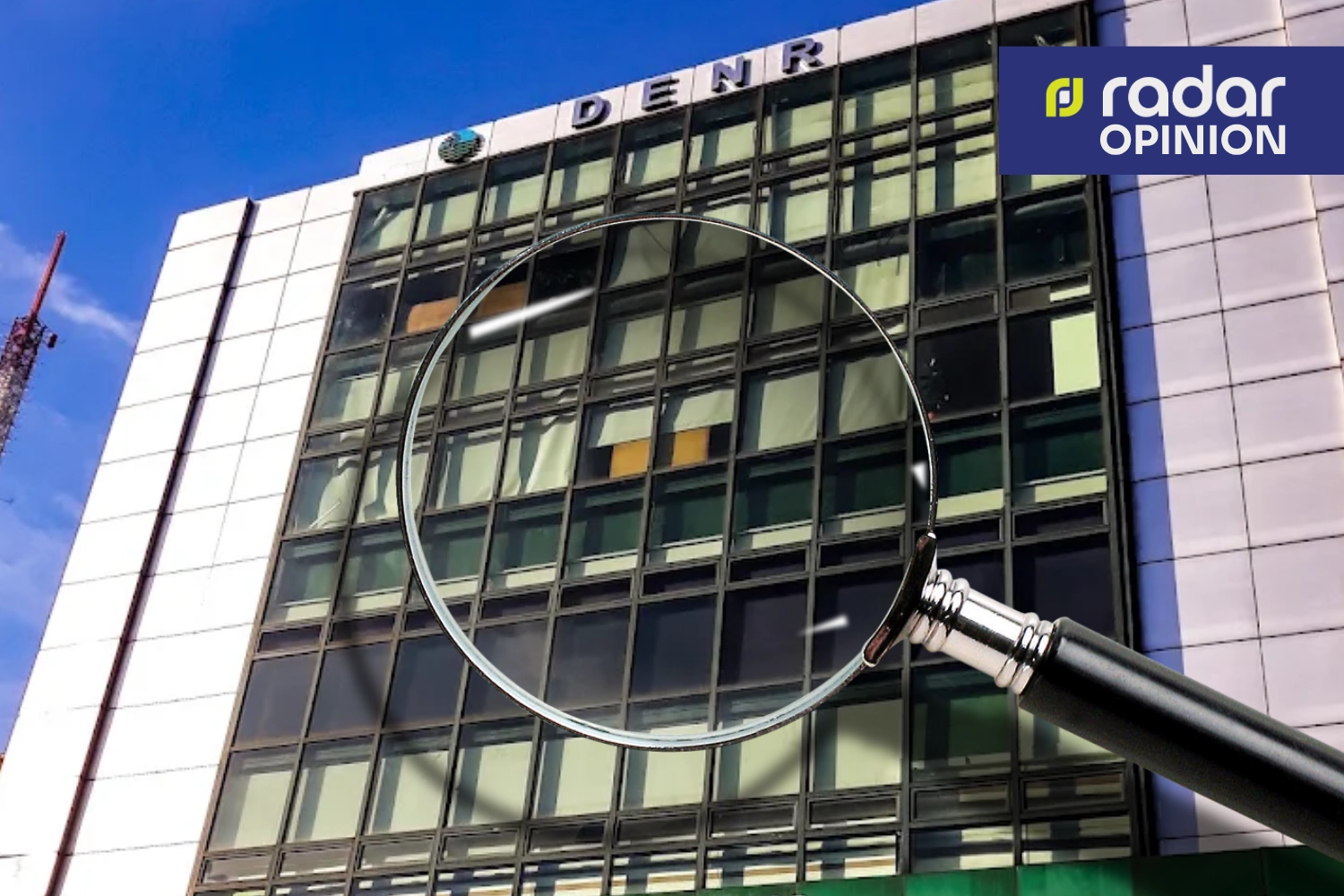
Here’s a thought. Should the Department of Environment and Natural Resources (DENR) be running offices that rely heavily on air-conditioning when it is supposed to be leading the country’s efforts to protect the environment?
This isn’t an argument for making government employees sweat through an entire workday. It’s a question of whether an agency tasked with promoting environmental sustainability should be doing more to practice what it preaches.
Air-conditioning is practically a necessity in many Philippine workplaces, given the country’s heat and humidity. But cooling large office buildings also consumes considerable electricity, which can contribute to carbon emissions depending on how that power is generated.
Perhaps the DENR should consider a different approach, particularly when constructing new offices or renovating existing ones. Instead of designing buildings that depend on air-conditioning from the moment employees walk in, why not take inspiration from tropical architecture?
Wide roof overhangs, strategically placed windows, high ceilings, shaded walkways, and thoughtfully designed open spaces can help reduce indoor heat and encourage natural ventilation. These are not exactly revolutionary ideas. They are design principles that make sense in a tropical country like the Philippines.
Air-conditioning can still be used where necessary, especially in rooms housing equipment or where working conditions require controlled temperatures. But it shouldn’t automatically be the first solution to keeping an entire building comfortable.
The DENR could turn its own headquarters and regional offices into examples of energy-efficient government infrastructure. Imagine an environmental agency whose buildings demonstrate how less energy-intensive workplaces can be designed and maintained.
There’s a similar sentiment behind growing calls for politicians to seek medical treatment in public hospitals rather than fly abroad or turn to exclusive private medical facilities. The argument is that those who make decisions about public healthcare should also experience the system ordinary Filipinos are expected to depend on.
The proposal may be controversial, particularly when medical emergencies and specialized treatment are involved. But the principle behind it deserves attention. Public officials should not be insulated from the very services and systems they are responsible for improving.
The same thinking can apply to environmental protection. If the DENR expects businesses and ordinary Filipinos to make more sustainable choices, shouldn’t its own workplaces demonstrate what those choices look like?
Environmental responsibility shouldn’t end with the policies an agency issues. It should be reflected in the way it operates, including the buildings it occupies.
That’s the point.