English explorer William Dampier described palek as strong and compared the drink with English beer.
At the end of a long day in Batanes, imagine a group of Ivatans gathered in a circle. A halved coconut shell moves from one hand to another. Inside is a dark, fermented drink made from sugarcane—strong enough to make an impression on foreign sailors more than three centuries ago.
This is palek, also called paleg or mineovaheng, one of the lesser-known treasures of Ivatan culture.
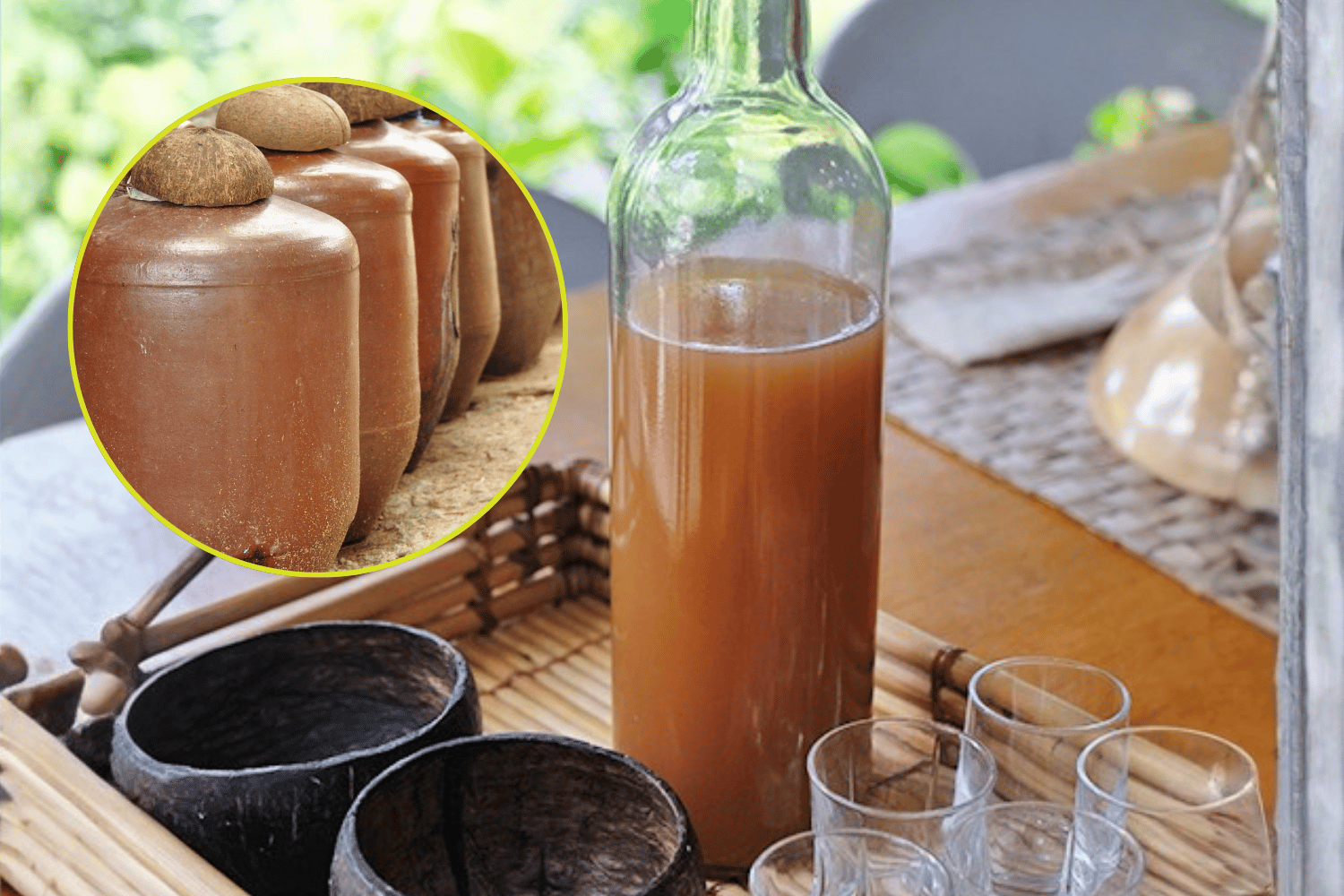
Palek begins with freshly extracted sugarcane juice, traditionally boiled and flavored with the bark of an ebony tree, particularly Diospyros ferrea. The bark helps give the drink its distinctive dark color and characteristic taste.
The liquid is then traditionally stored in large stoneware jars called angang and allowed to ferment. Depending on the method and length of fermentation, the result is an alcoholic sugarcane drink—or, when allowed to sour further, vinegar.
But palek is much more than Ivatan liquor.
For generations, drinking it has been tied to community life. During kayvayvanan, the Ivatan tradition of cooperative labor, neighbors help one another accomplish demanding work, including farming and repairing the thick roofs of traditional houses. Palek could be shared afterward, turning the drink into a symbol of collective effort and fellowship.
It also has a place in the traditions of the mataw, Ivatan fishermen associated with the seasonal catching of arayu or dolphinfish. Palek has figured in rituals connected with the sea and the beginning of the fishing season.
Its history even intersects with European exploration.
English explorer William Dampier reached Batanes in 1687 and wrote about the fermented sugarcane drink he encountered there, describing it as strong and comparing it with English beer. Early European encounters with a similar local drink also helped produce the historical name “Bashee Islands” for Batanes, from “basi,” the better-known northern Philippine sugarcane wine.
Centuries later, palek production has declined as traditional practices confront changing lifestyles and agricultural conditions. Government initiatives, including assistance from the Department of Science and Technology, have sought to improve sugarcane processing and help Ivatan producers continue the craft.
That makes every surviving jar more than something to drink.
Palek carries sugarcane fields, communal labor, fishing rituals and centuries of Ivatan memory in one dark brew.
In Batanes, history can literally be passed around in a coconut shell.
READ: