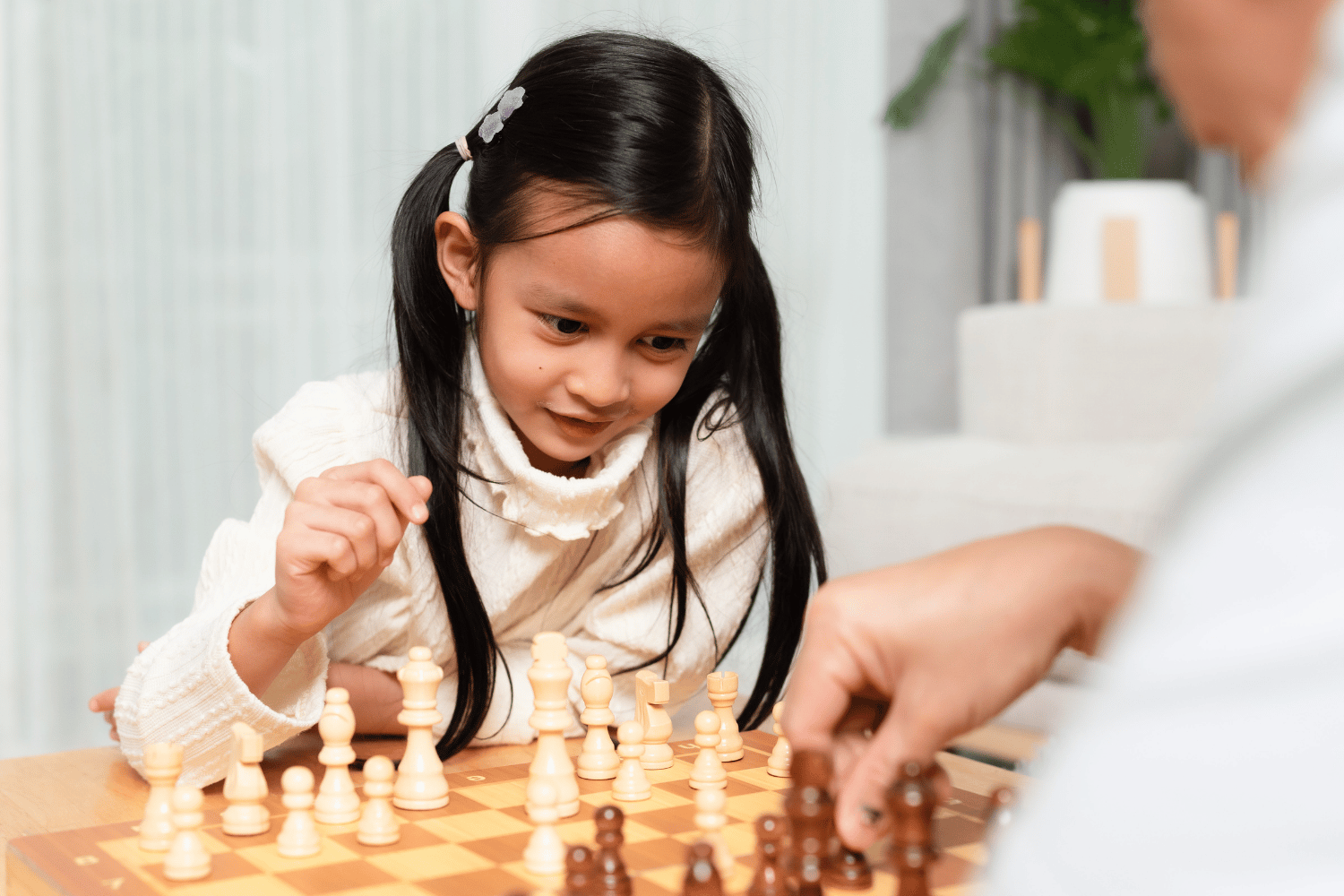
Aside from grades, giftedness can include rapid learning, deep curiosities, heightened emotional sensitivity, and unusual focus.
Your child can explain black holes—but still cries because you cut the sandwich the “wrong” way.
They ask questions you sometimes can’t answer, understand jokes meant for adults or become intensely obsessed with one subject.
They may simply be bright and curious. But these can also be subtle signs of giftedness.
Giftedness isn’t just about straight A’s or reading early. The Davidson Institute says gifted children can show intense curiosity, unusual interests, emotional sensitivity and an ability to learn rapidly.
Here are some clues parents may overlook.
Their “ages” don’t match
A seven-year-old might discuss astronomy like an older child but handle frustration exactly like the seven-year-old they are.
This is called asynchronous development—when intellectual, emotional and physical development don’t progress at the same rate. It is commonly associated with gifted children.
They question everything
It’s not simply “Why?”
It’s “Why does that happen?” followed by “What if it didn’t?”
Gifted children often display intense curiosity and a desire to understand the reasoning behind things, rather than simply memorizing answers.
They notice what you think they don’t
They may catch contradictions in what adults say, understand sarcasm surprisingly early or discover loopholes in household rules.
Gifted children can demonstrate advanced reasoning, sophisticated humor and unusual awareness for their age.
They learn fast—then get bored
Some children need plenty of repetition. A gifted child might understand something after only a few explanations and become frustrated when forced to keep practicing it.
Rapid learning and boredom with insufficiently challenging work are commonly reported characteristics.
Their interests go very deep
Many kids love dinosaurs. A gifted child might memorize their scientific names, geological periods and evolutionary relationships.
The difference isn’t simply knowing lots of facts. It’s the unusual depth, persistence and connections they make between ideas.
They can be intensely sensitive
A child may become unusually troubled by poverty, animal suffering, war or unfairness.
Gifted children can have heightened emotional sensitivity and become preoccupied with complex issues they may intellectually understand but aren’t yet emotionally equipped to process.
They prefer older company
Some gifted children gravitate toward older kids or adults, particularly when those people can engage with their interests and level of conversation.
Don’t diagnose from a checklist
One or two of these behaviors don’t automatically mean a child is gifted—and gifted children don’t necessarily show all of them.
The Canadian Psychological Association notes that identifying giftedness can involve psychological testing, observations and other measures rather than simply checking off behaviors.
And don’t assume giftedness always comes with perfect grades.
Sometimes the first clue isn’t on a report card.
It’s that unexpected question from the back seat that leaves every adult in the car searching for an answer.
READ: