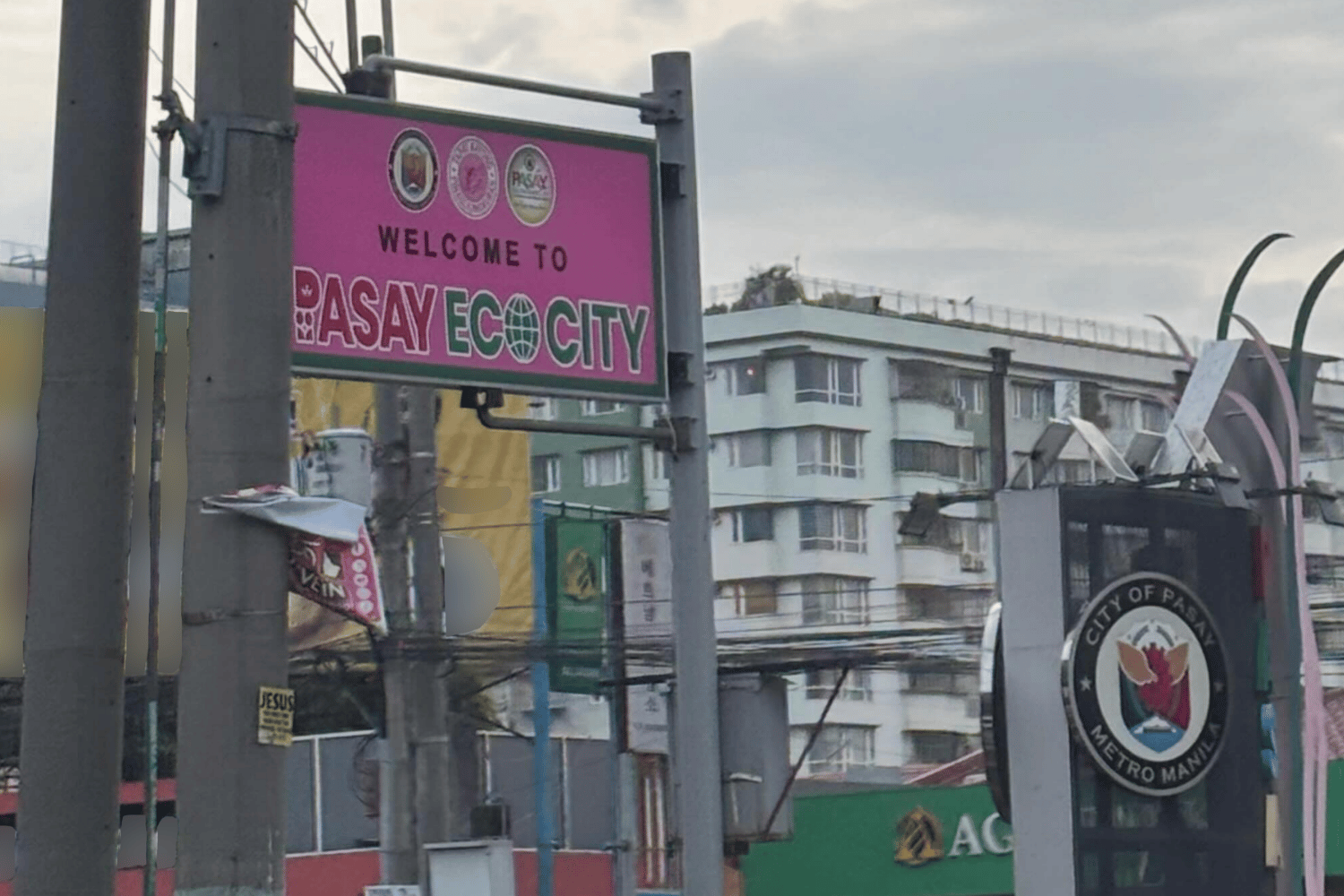
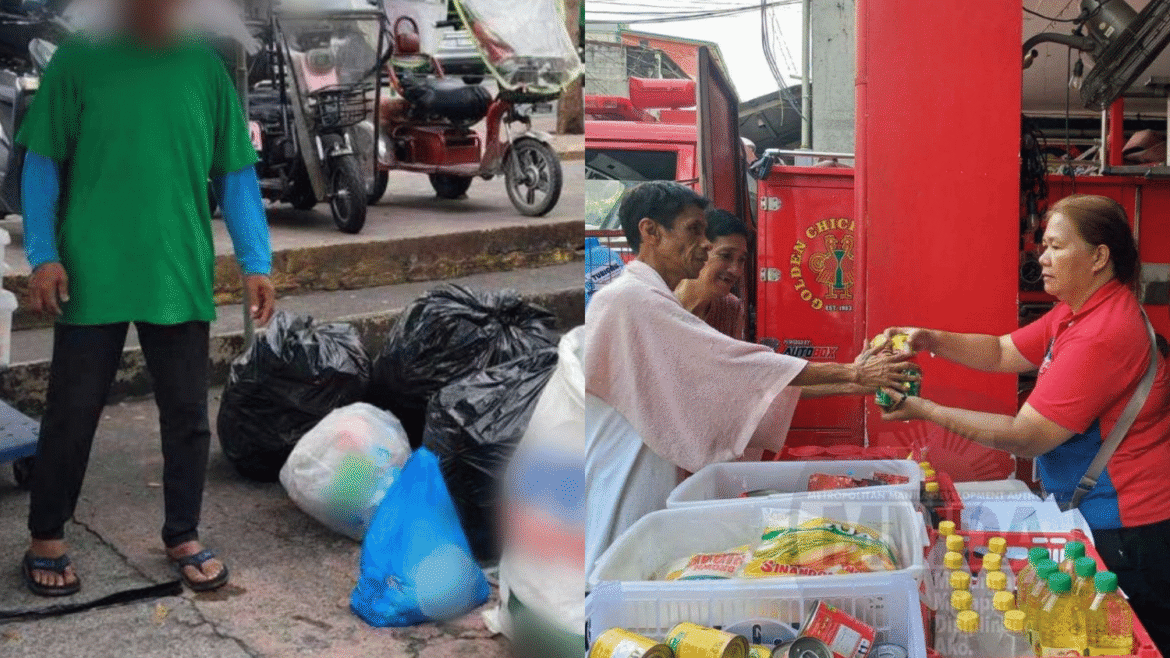
According to a January 2025 urban planning study analyzing Pasay’s ecological transition, local government units frequently adopt environmental slogans primarily to boost economic competitiveness and attract real estate investments.
However, when an LGU adopts an environmental label, it should also serve as a definitive policy blueprint for urban development. Any misalignment creates a false sense of environmental security.
Surface-level beautification projects, such as coastal baywalks, can easily mask the city’s underlying infrastructural vulnerabilities.
When a municipality projects an image of sustainability without the logistics to back it up, it obscures the daily environmental hazards residents actually face.
The waste management gap
True ecological designation requires strict adherence to foundational policies like the Ecological Solid Waste Management Act of 2000, or Republic Act No. 9003.
Under this law, local government units are mandated to establish Materials Recovery Facilities (MRFs) at the barangay level that sort, segregate, and recover waste before it reaches a landfill.
However, a 2022 World Bank assessment of the country’s solid waste management plans notes a severe gap between compliance on paper and operational reality. Across Metro Manila, many of these localized facilities function merely as “transfer stations” or holding areas rather than active sorting hubs.
This operational loophole is frequently documented by the Commission on Audit (COA), which has repeatedly flagged local government units for using MRFs as temporary holding pens or illegal open dumpsites because they lack the capacity to process mixed garbage.
Local sorting infrastructure cannot handle the city’s massive daily waste generation, forcing Pasay City to rely on external hauling. According to a comprehensive logistics report published by Rappler, Pasay City spent exactly ₱376.135 million on private garbage hauling in one year to transport unsegregated waste to external sanitary landfills.
This massive waste volume is also driven by Pasay’s status as a primary transit hub.
The daily influx of hundreds of thousands of commuters passing through the Taft Avenue terminals and the PITX borders generates immense amounts of single-use street waste that can quickly overwhelm standard municipal sweeping logistics.
Furthermore, scheduled municipal collection routes frequently miss the city’s most vulnerable hydrological choke points.
The Metropolitan Manila Development Authority’s 2020 Annual Report on the Metro Manila Flood Management Project explicitly identified illegal waste disposal from barangays along the Estero de Tripa de Gallina as a primary driver of clogged pumping stations, noting that this localized debris bypasses the MRF system entirely.
Promises versus performance
Ultimately, a city’s slogan should not be a mere public relations exercise but a measurable policy commitment.
True urban competitiveness requires aligning municipal marketing with the less visible realities of waste and water management, ensuring that the promises made on highway banners are actually delivered on the streets.
READ: