Analysts said the changes align the Philippine market more closely with global benchmarks.
The stock exchange is introducing new eligibility requirements that could influence which companies qualify for its major indices and attract institutional investment.
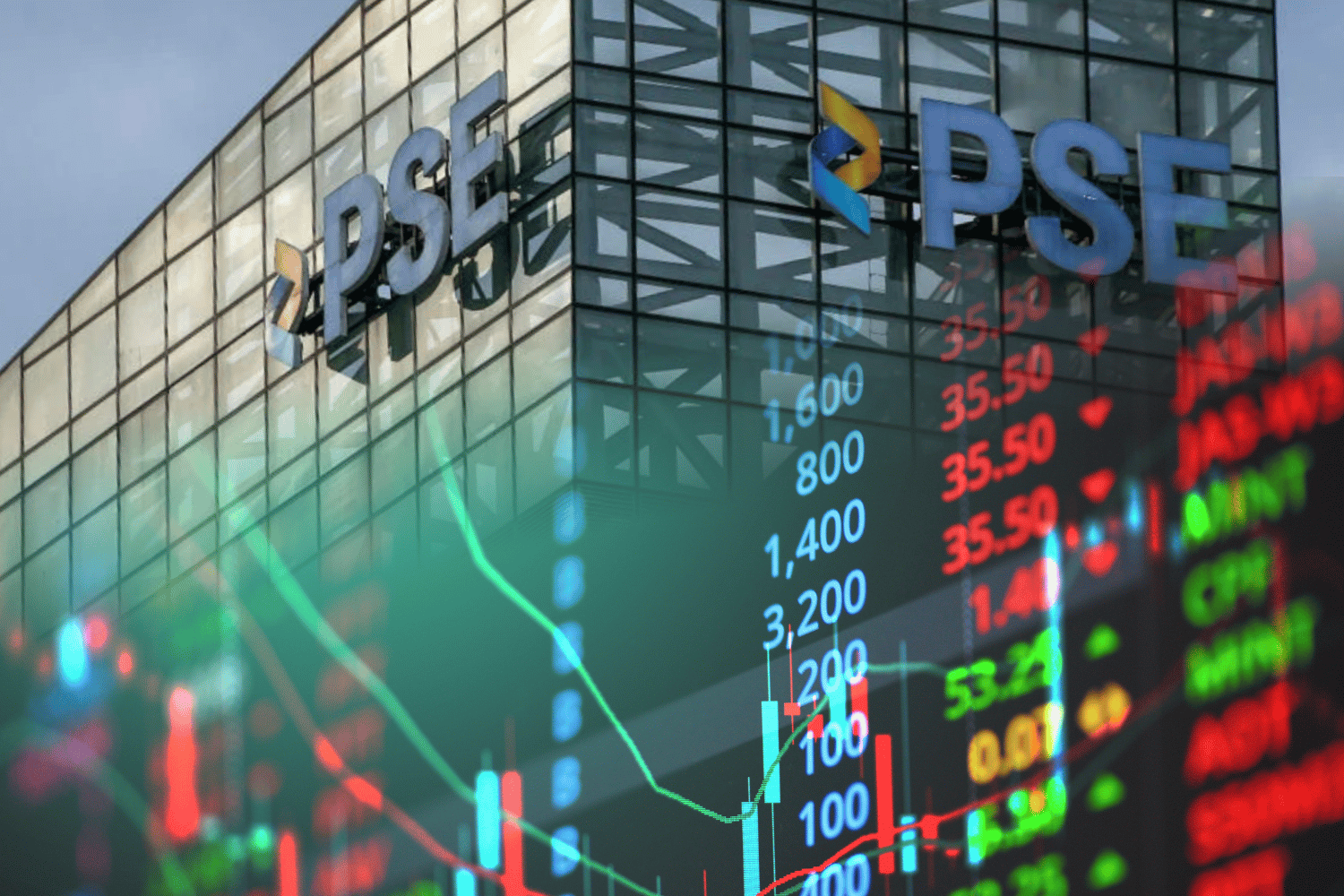
The Philippine Stock Exchange is overhauling how companies qualify for its major indices, a move that could influence where billions of pesos in investment funds are allocated and which listed firms attract institutional investors.
The PSE announced three major changes to its index inclusion rules, with the new framework taking effect during the February 2027 rebalancing.
Among the biggest changes is a new market capitalization filter. Only companies that fall within the top 98% of the market’s cumulative capitalization will qualify for inclusion in the PSEi, PSE DivY, PSE MidCap and sector indices. In simple terms, companies must first be among the market’s biggest players before they can even be considered for the country’s key stock indices. The move aims to ensure the indices better represent the largest listed firms.
The exchange is also replacing its old liquidity rules with two new measures—the Median Trading Activity Ratio (MTAR) and the Monthly Average Daily Value Turnover (MADVT)—to better identify stocks that are consistently and actively traded instead of those boosted by short-lived trading spikes. This means companies will have to show sustained investor interest over time, not just brief bursts of heavy trading that can temporarily inflate activity.
Another key adjustment lowers the minimum public float requirement from 20% to 15% for companies valued at ₱250 billion or more, provided they meet all other index requirements. This gives some of the country’s biggest corporations more flexibility to qualify even if a smaller portion of their shares is available for public trading.
Analysts said the changes align the Philippine market more closely with global benchmarks while allowing the country’s biggest companies to be better represented in the benchmark index.
For listed companies, qualifying for a major index can translate to greater visibility, stronger demand from index-tracking funds and increased trading activity. Those that fall short risk missing out on those opportunities as institutional investors rebalance their portfolios.
As radar’s business editor, Kenneth oversees stories on innovation, enterprise, and business trends. Off the clock, you’ll find him jamming to Mariah Carey, logging miles on a run, or diving for a volleyball.