SC says children born during marriage are presumed legitimate
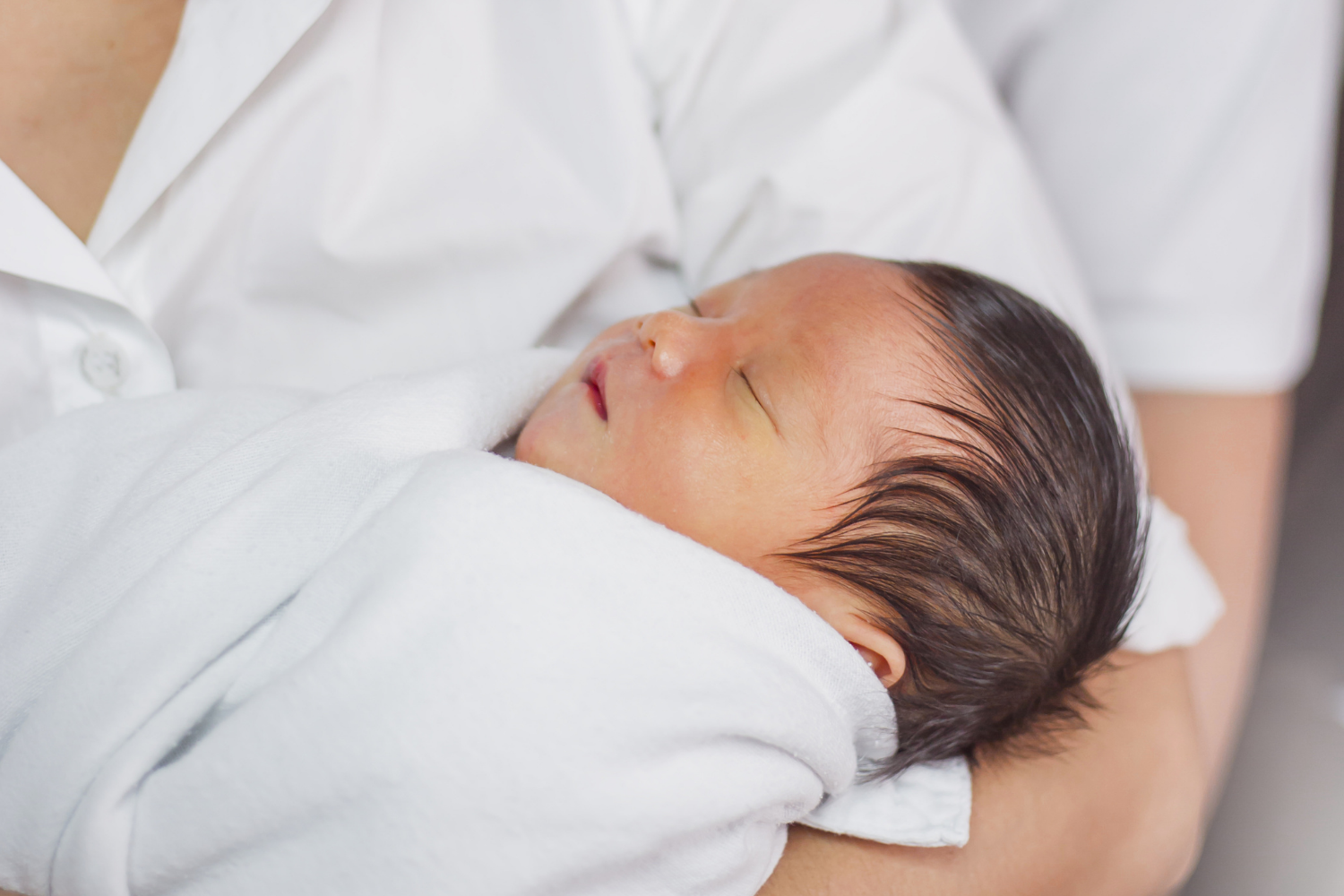
A child born during a valid marriage cannot be considered illegitimate simply because the mother did not identify the father in the birth certificate.
The Supreme Court has affirmed this principle in a ruling that protects the legal status of children whose birth records contain incorrect or incomplete information.
In a decision penned by Associate Justice Japar B. Dimaampao, the Court’s Third Division ruled that a child born during a valid marriage is presumed legitimate and entitled to use the father’s surname, regardless of what the mother declared in the birth certificate.
A birth certificate that told a different story
The case involved a woman born in 1996, two years after her parents married in 1994.
Because her parents were experiencing marital problems, her mother registered her birth using her maiden surname, entered her own middle name as her daughter’s middle name, and left the father’s information blank.
Despite this, the daughter grew up using her father’s surname in school and employment records, including her Professional Regulation Commission identification card.
It was only in 2017 that she discovered the discrepancies in her birth certificate and sought to have them corrected.
Both the Regional Trial Court and the Court of Appeals rejected her petition, ruling that her parents’ marriage alone was insufficient to establish her relationship with her father.
The Supreme Court disagreed.
What the law actually says
Under Article 164 of the Family Code, children conceived or born during a valid marriage are presumed legitimate.
Article 167 further provides that a child remains legitimate even if the mother declares otherwise.
The Supreme Court emphasized that the woman did not need to separately prove her relationship with her father because she was born while her parents were legally married.
Only the husband, or his heirs under limited circumstances, may challenge legitimacy through the proper legal proceedings and within the periods prescribed by law.
No such challenge was filed in this case.
The Court also clarified that while birth certificates are generally accepted as evidence of the information they contain, they cannot override the legal presumption of legitimacy.
Child entitled to father’s surname
The Supreme Court granted the woman’s petition and ordered the correction of her birth certificate to reflect her proper middle name, surname, and her parents’ marriage details.
Under Article 174 of the Family Code, legitimate children have the right to bear their father’s surname.
The Court explained that correcting the birth certificate would not create a new legitimate status. It would simply recognize a status that already existed under the law.
The ruling also affirmed that substantial corrections to civil registry records may be made under Rule 108 of the Rules of Court, provided interested parties receive proper notice and an opportunity to oppose the changes.
In this case, the procedural requirements were satisfied, and no opposition was raised.
The decision in G.R. No. 272305, General v. Local Civil Registrar of San Jose del Monte, Bulacan, et al., reinforces an important legal protection for children.
A mother’s declaration, an incomplete birth certificate, or marital problems between parents cannot, by themselves, strip a child born during a valid marriage of legitimate status.
Legitimacy is determined by law, not simply by what is written on a birth certificate.
READ:
Parents should pay back money borrowed from their children
Top Dagohoy
October 18, 2026

Businesses can play a bigger role in caring for children in need
John Lloyd Aleta
October 29, 2026
OPINION: We are failing our children by refusing to fail them
Top Dagohoy
November 19, 2026
Tags: amendmentArticle 164Article 167Article 174birth certificateBulacancivil registry recordsCourt of AppealsFamily Code of the PhilippinesGeneral v. Local Civil Registrar of San Jose del Monteillegitimate childrenJapar B. Dimaampaolegal rightslegitimate childrenLocal Civil Registrar of San Jose del Monteparental rightsRegional Trial CourtRule 108 of the Rules of CourtSan Jose del MonteSupreme Court of the Philippinessurname