


Buro contains bacteria that scientists are actively studying for probiotic potential.
Walk through a supermarket and the promise of better gut health is everywhere.
There are probiotic drinks, sweetened cultured milk, imported yogurt, powders and supplements—many marketed as convenient ways to add “good bacteria” to your diet.
But Filipinos looking for probiotic-rich food may be overlooking something that has been sitting on our tables for generations: buro.
That pungent, sour mixture of fermented fish and rice—beloved particularly in Central Luzon—isn’t merely an acquired taste or an old-fashioned side dish. Research from the University of the Philippines Diliman College of Science has found that bacteria isolated from burong isda possess promising probiotic and antifungal properties.
Researchers studied two strains of Limosilactobacillus fermentum isolated from burong isda from Arayat, Pampanga. The bacterium belongs to a group of lactic acid bacteria commonly associated with fermented foods and potential probiotic benefits.
And what scientists found makes the humble buro considerably more interesting.
Laboratory testing showed that the bacterial strains could tolerate bile salts and grow under a range of pH conditions—important characteristics when scientists evaluate whether microorganisms have probiotic potential.
Their genomes also contained genes associated with potentially beneficial traits, including adhesion, immune modulation and the biosynthesis of vitamins B1, B2, B6 and B9.
There was another surprise.
Metabolites produced by the bacteria inhibited the growth of Candida albicans and Aspergillus fumigatus in laboratory experiments. Researchers also identified an antifungal compound called cyclo(leucylprolyl) in extracts from the bacterial cultures.
The researchers found minimal virulence and antimicrobial-resistance potential in the two strains studied, adding to their promise for further probiotic research.
That distinction matters. The findings do not mean eating buro can treat fungal infections, replace medicine or guarantee particular health benefits. Much of the research concerns bacteria isolated from buro and laboratory testing—not clinical trials showing that eating a serving of buro will produce the same effects inside the human body.
Still, the findings give Filipinos another reason to look differently at one of our traditional fermented foods.
For generations, buro required no trendy “gut health” label. Fish, rice, salt and fermentation transformed ordinary ingredients into a deeply flavorful accompaniment eaten with vegetables, fish and other dishes.
Now science is beginning to explain the microbial potential hiding inside it.
Researcher Joshua Veluz, who grew up eating burong isda as a Kapampangan, has said his personal connection to the food helped inspire the research. His team’s work demonstrates how a familiar Filipino dish can become a starting point for modern probiotic research.
So before automatically reaching for another sweet probiotic drink or spending heavily on imported products promising “good bacteria,” consider making room on the table for fermented foods already embedded in Filipino culinary culture.
Buro does not need to replace every yogurt, probiotic drink or supplement. Nor should it be treated as a miracle food.
But it deserves recognition for what it is: an affordable, distinctly Filipino fermented food harboring microorganisms that scientists themselves believe are worth investigating for their probiotic potential.
Sometimes, the next “superfood” doesn’t have to come in a tiny bottle with a health claim printed across the label.
Sometimes, it has been sitting beside the mustasa and grilled fish all along.
READ:
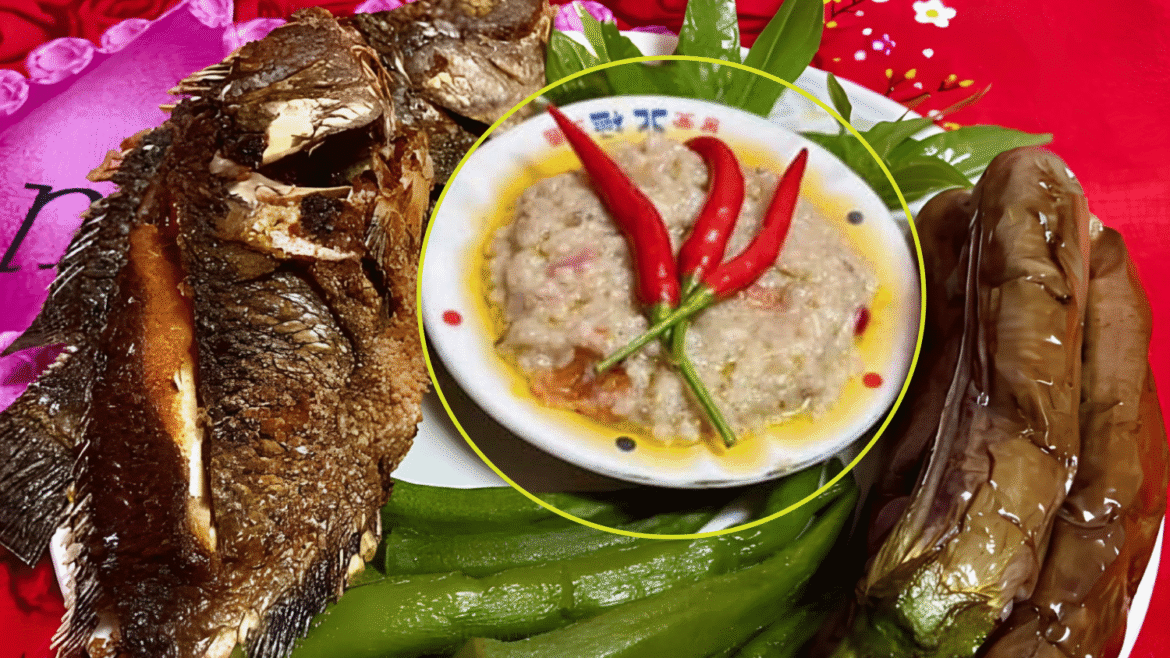
Burong isda, long maligned for its smell, have surprising health benefits
Walter C. Villa
June 30, 2026
Kamansi: A local superfood hiding in plain sight
radar Lifestyle
May 2, 2026
Backyard veggie lagikway could viral imported superfoods
Top Dagohoy
August 30, 2026


