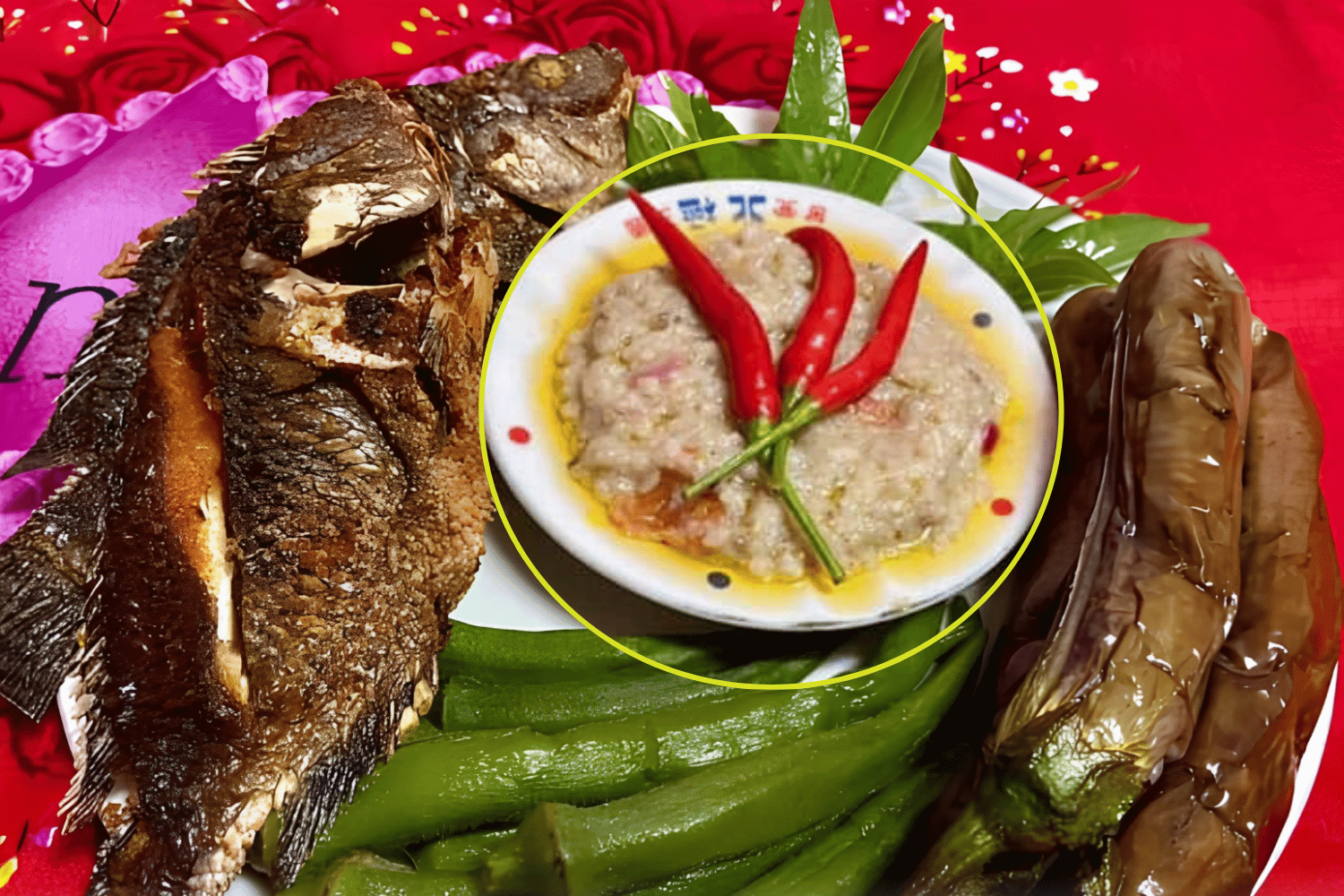
A resurfaced 2025 study notes its probiotic and antifungal properties.
Burong isda has long divided Filipinos households for its pungent smell and traditional room-temperature fermentation process—and are cited as reasons to avoid it.
But a resurfaced 2025 study suggests that the dish is a source of beneficial probiotics and has potential antifungal properties.
In a study published in The Microbe, researchers found that two strains of Lactobacillus fermentum present in burong isda carry genes linked to immune system support and the production of essential vitamins such as B1 (thiamine), B2 (riboflavin), B6 (pyridoxine), and B9 (folate).
Probiotic and antimicrobial potential
Scientists have long raised concerns that bacteria from traditional fermentation processes could carry harmful or antibiotic-resistant traits.
However, the study found that the bacterial strains identified in burong isda don’t cause disease or harm to a host (non-pathogenic). The dish is entirely safe for consumption and commercial probiotic development.
Beyond gut health, the study also found possible antifungal activity.
In laboratory tests, the bacteria and their metabolites inhibited the growth of Candida albicans and Aspergillus fumigatus. The latter is known to cause serious infections in immunocompromised individuals.
Researchers, however, pointed out that these findings are still limited to controlled lab experiments and have yet to be tested in real-world human conditions.
The team behind the study includes Joshua Veluz, Paul Christian Gloria, and Maria Auxilia Siringan of UP Diliman College of Science, along with Irineo Dogma Jr. of the University of Santo Tomas.
How to make burong isda
In a 2015 feature for F&B Report, classically trained cook Nayna Katigbak shared a family method for preparing burong isda.
The process involves tilapia or dalag, cooked rice, rock salt, onions, garlic, ginger, tomatoes, and cooking oil.
The fish is cleaned, salted, and drained, while cooked rice is mixed with salt to form the fermentation base.
The salted fish and rice are then layered in a sterilized jar, with rice placed first to minimize air pockets—alternating layers until full.
The jar is covered with cling wrap and sealed tightly with a lid, then stored in a cool, dark place for about five to eight days. Every two to three days, the mixture is checked and pressed down to keep it submerged in the liquid released during fermentation.
Once ready, burong isda is typically sautéed with onions, ginger, garlic, and tomatoes, then simmered until fully cooked.
The dish is comminly served with fried fish, grilled eggplant, fresh or blanched mustasa leaves, and boiled okra.
READ: