Only a few can afford the Euro life.
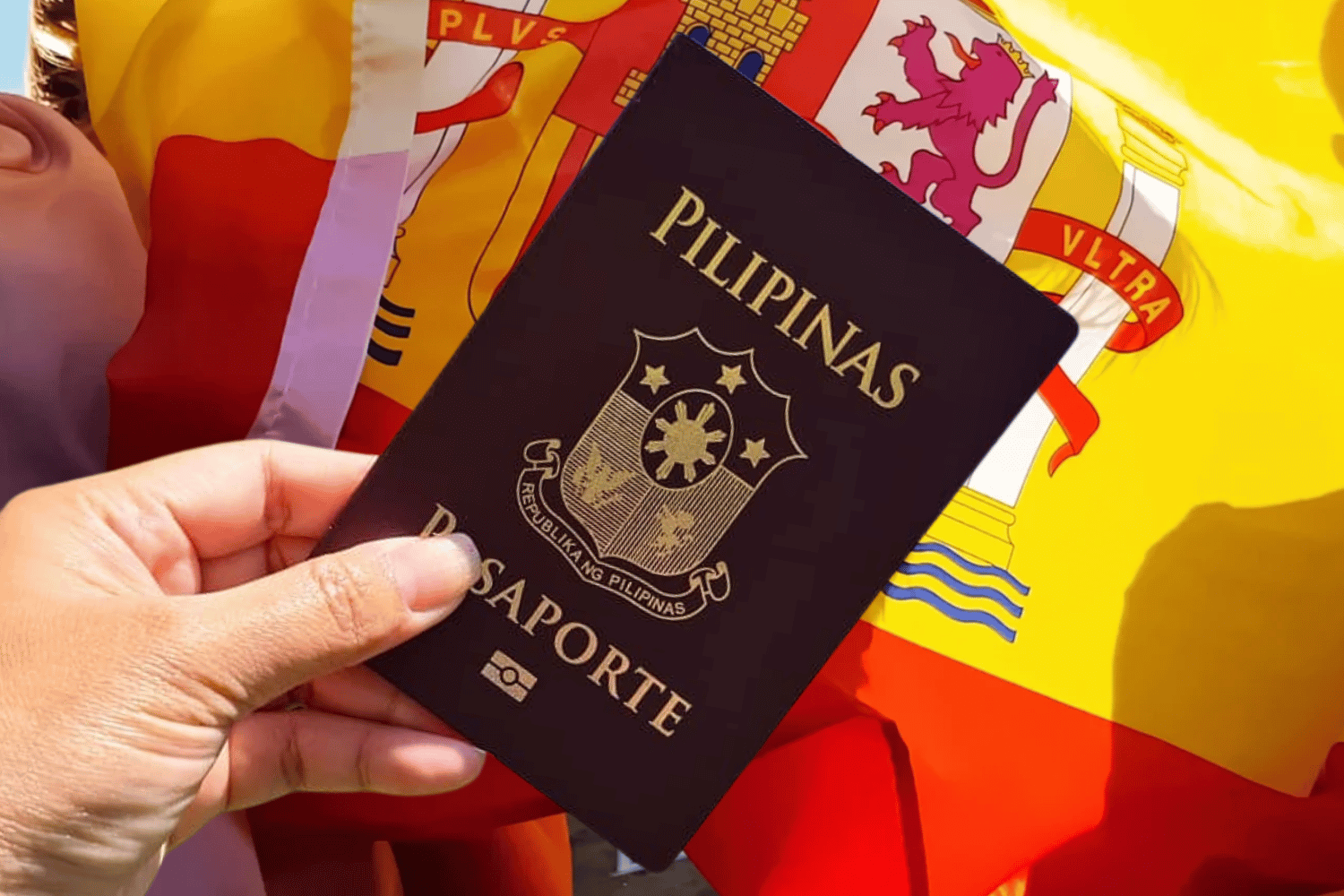
Spain’s Digital Nomad Visa (DNV) is drawing more Filipinos looking to live and work legally in Europe while keeping their remote jobs. The visa requires proof of income at least 200% of Spain’s minimum wage, along with a clean criminal record and private health insurance.
For many, the appeal is clear. Better healthcare, stronger security, and a fast track to Spanish citizenship after two years of residency.
But behind the promise, the process is far from simple. A Threads post by @christiannnco offers a grounded look at what it really takes to relocate. Beyond meeting the income threshold, applicants must deal with paperwork in the Philippines, including securing an Overseas Employment Certificate through the Department of Migrant Workers and preparing apostilled documents such as NBI clearance and academic records. Coordination with the Spanish Embassy adds another layer, making early preparation essential.
Even after approval, the realities of living in Spain quickly set in. The post points out that a six-figure monthly income can shrink fast once taxes, rent, and daily expenses are factored in. Housing is one of the biggest challenges, with high upfront costs like deposits and agency fees. To cope, many turn to shared spaces or move outside city centers. Daily habits also shift, from dining out less often to choosing local markets over supermarkets.
A YouTube video by Everything Boffo breaks down the trade-offs.
On the plus side, Filipinos benefit from a social security agreement that allows contributions to continue in the Philippines, as well as a driver’s license recognition treaty. Most notably, the two-year pathway to Spanish citizenship remains a major draw.
On the downside, applicants often need a valid Schengen visa while processing their DNV, and those who cannot secure a social security certificate may need to register as self-employed and pay taxes in Spain.
For some, the pathway works. One DNV holder shared a timeline that shows how quickly things can move. After arriving in Spain in March 2023, they secured their visa within the same year, applied for citizenship in August 2025, and received approval by May 2026. Their spouse followed a month later. While their children’s applications are still pending, the experience highlights both the speed and the persistence required to navigate the system.
As more Filipinos chase Spain’s Digital Nomad Visa, the dream of European living and fast-tracked citizenship continues to overshadow the reality that comes with high income requirements, rising costs, and salaries that no longer stretch as far as they once did back home.
What may look like success in pesos can feel barely enough in euros.
So why does the appeal remain? Because for many, the goal is no longer just to get rich. It is to live better. Healthcare, safety, mobility, and peace of mind now carry more weight than take-home pay.
The digital nomad dream is still alive, but it is not for everyone. Behind the promise of a Euro life, opportunity comes with limits, and not everyone can cross them.
READ: