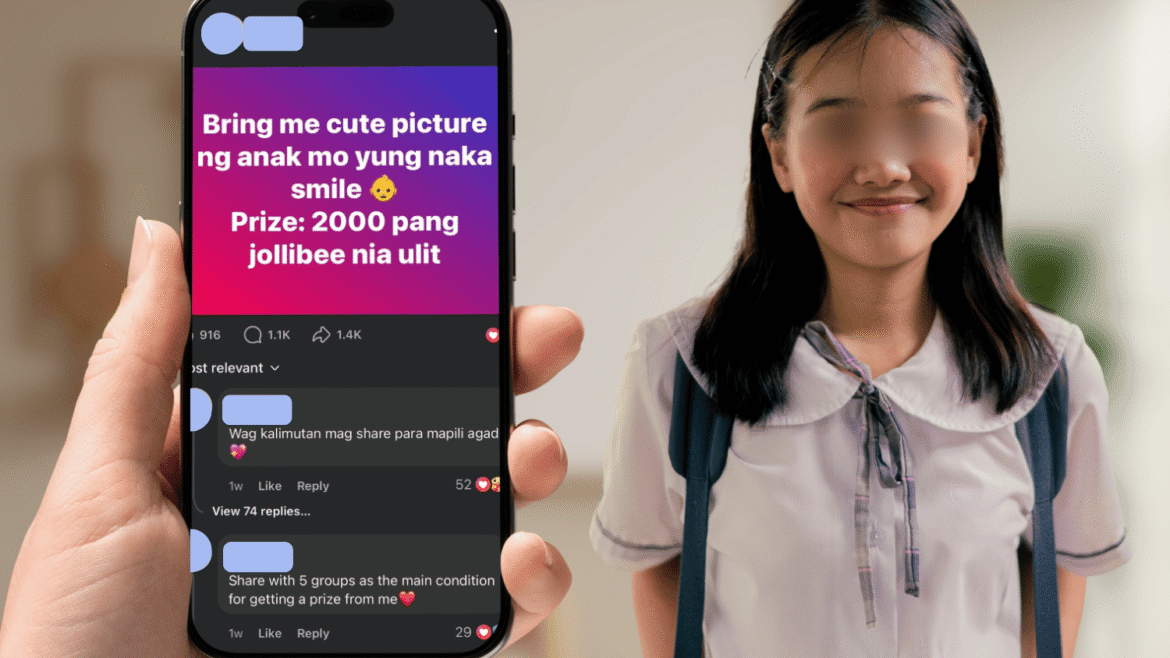
While social media encourages us to document our lives, it doesn’t necessarily mean every bit of detail should be available for everyone’s eyes.
You’re excited about an upcoming vacation, so you post your boarding pass. You finally received your new credit card, so you upload a photo. Your child looks adorable on the first day of school, so you proudly share a picture in full uniform.
They seem like harmless posts.
But each could reveal information that strangers, scammers and criminals can potentially use against you.
Social media has made sharing everyday life almost automatic. The problem is that photos and posts can contain far more information than we realize—and once something is online, controlling where it goes becomes difficult.
Here are 10 things worth thinking twice about before hitting “post.”
1. Your IDs and official documents

That photo of your new passport, driver’s license or National ID may contain your full name, birth date, identification numbers, photograph, signature and other information useful for identity theft.
If you really need to share an image of a document, cover sensitive details first.
2. Boarding passes and airline tickets

A boarding pass isn’t merely a souvenir. Printed and digital boarding passes may display your booking reference, barcode or QR code and other travel information.
Instead of posting it before your flight, share the vacation photos later—and keep the ticket to yourself.
3. Bank cards and financial details

A new credit card isn’t something you need to introduce to Facebook.
Avoid posting card numbers, account details, transaction screenshots, OTPs and other financial information. Even seemingly incomplete details can give scammers additional information for more convincing phishing attempts.
4. Your exact location while you’re there

Posting “Three days in Boracay!” while your house is empty also announces something else: you’re not home.
Real-time check-ins can reveal your movements and routines. Consider uploading vacation photographs after leaving a location—or after returning home.
5. Workplace rants that identify people or reveal internal information

Complaining about work online can feel satisfying for five minutes and remain searchable for years.
Posts naming employers, bosses, colleagues or clients can create professional problems and, depending on what is alleged or disclosed, potentially raise legal issues. Internal company matters are usually better kept away from a public timeline.
6. Children’s school and routine details

That first-day-of-school photograph can unintentionally reveal a child’s school through a uniform logo, ID, nameplate or recognizable location.
Avoid publicly sharing details that allow strangers to piece together where a child studies, what time they arrive or leave, and their regular routine.
7. Private family and relationship fights

Today’s furious “parinig” can become tomorrow’s screenshot.
Couples reconcile. Families make peace. Social media receipts, however, can survive long after everyone involved has moved on.
Some arguments are better resolved with the people involved rather than an audience.
8. Your exact home address

New house? Congratulations. But you don’t need to show the house number, street sign, condominium unit or documents containing your complete address.
Even innocent photographs can reveal identifiable landmarks and other clues about exactly where you live.
9. Confidential work and client documents

Look closely before posting that seemingly harmless desk selfie.
An open laptop, printed spreadsheet, whiteboard, ID card or document in the background could expose names, financial figures, passwords, proprietary information or personal data belonging to other people.
A photograph doesn’t have to be intentionally malicious to become a serious privacy or workplace problem.
10. Large amounts of cash and expensive possessions

Posting stacks of cash, expensive jewelry or other high-value possessions doesn’t merely display what you own. It can also advertise what someone might steal.
The same applies to repeatedly showing exactly where valuables are stored inside your home.
Social media encourages us to document our lives, but documenting something doesn’t mean everyone needs to see it.
Before posting, look at the photo one more time. Zoom into the background. Check the location tag. Read every visible number, name and document.
Then ask yourself one simple question:
Would I be comfortable giving this information to a complete stranger?
Because once you post it publicly, you potentially just did.