Alugbati doesn’t need a “superfood” label to belong on your plate.
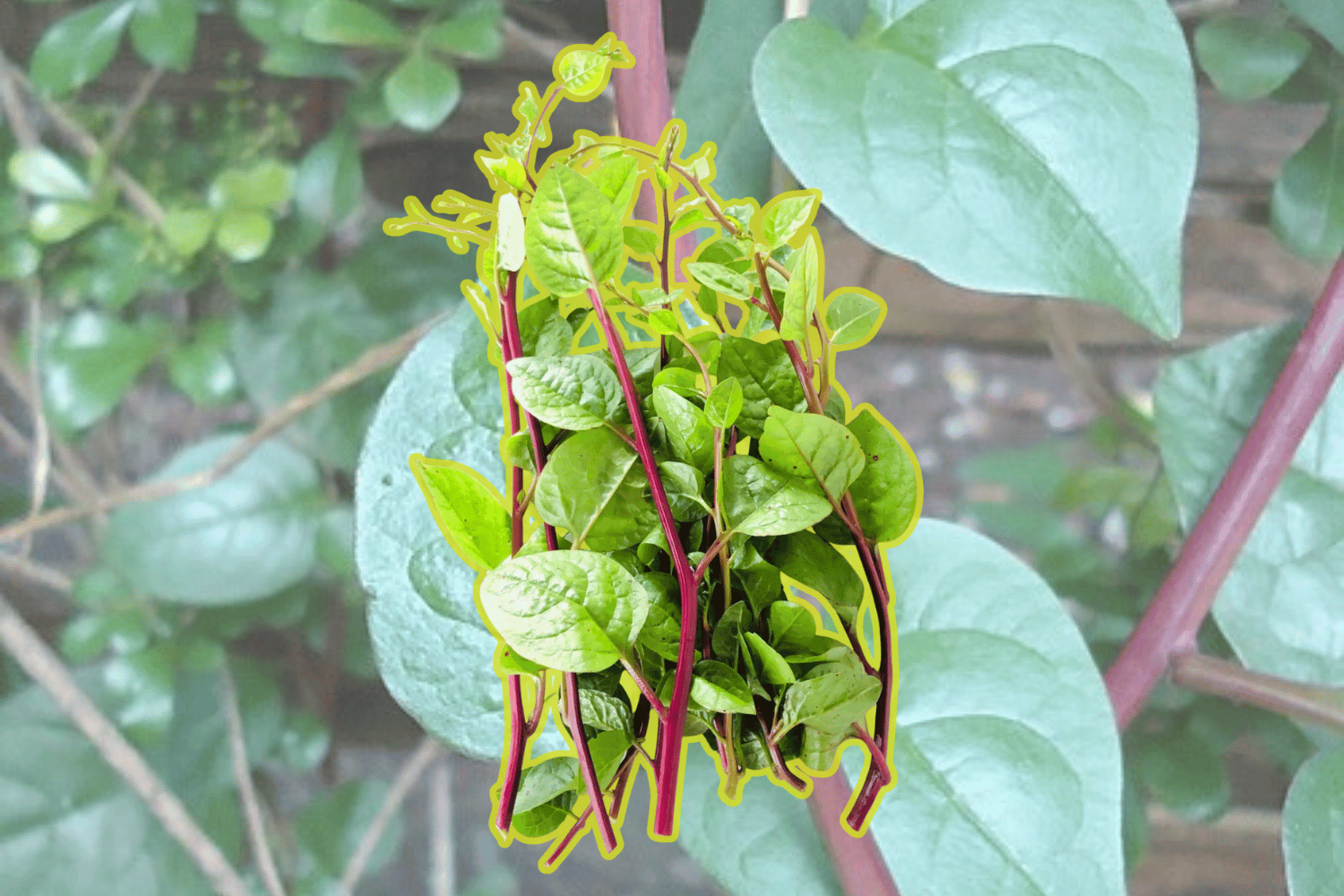
Alugbati may be one of the most underrated vegetables growing in Filipino backyards.
Also known as Malabar spinach or Basella alba, this fast-growing vine is cheap, easy to cook and loaded with nutrients—particularly vitamins A and C—that help support the body’s immune defenses and maintain healthy skin.
And no, you don’t need to turn it into a juice or some complicated “detox” drink to get those benefits. You can simply eat it as gulay.
Good for immunity and skin
Vitamin C supports normal immune function while helping the body produce collagen, a protein important for skin structure and wound healing. Alugbati also provides beta-carotene, which the body can convert into vitamin A—another nutrient important for immune function and maintaining healthy skin and tissues.
That doesn’t make alugbati a cure for infections or a miracle anti-aging vegetable. But as part of a balanced diet, it can contribute useful nutrients your body needs every day.
There’s more inside those leaves
Alugbati also contains dietary fiber and its characteristic natural mucilage—the substance responsible for its slightly slippery texture when cooked. These can help support digestion and regular bowel movements.
The leafy vegetable also supplies folate and minerals including iron and calcium, while its plant pigments and carotenoids provide antioxidants such as lutein and zeaxanthin.
These nutrients play different roles in the body, from supporting normal red blood cell formation to maintaining bones and eye health.
From sinigang to ginisa
Perhaps alugbati’s biggest advantage is how easily it fits into Filipino cooking.
Its leaves and tender stems can be sautéed with garlic, onion and tomatoes for ginisang alugbati, paired with shrimp, pork, tofu or fish. It can go into sinigang, tinola, utan Bisaya and laswa, or be cooked adobo-style with vinegar, soy sauce and garlic.
Young leaves can also be blanched or eaten fresh when properly washed. Even the purple berries of some varieties have traditionally attracted interest as a natural food colorant.
One precaution: alugbati contains oxalates, so people who have been advised to limit high-oxalate foods, particularly because of certain kidney stones, should follow their healthcare professional’s dietary advice.
Alugbati doesn’t need a “superfood” label to deserve a place on the table. Sometimes one of the most nutritious vegetables is already climbing a fence in the backyard.