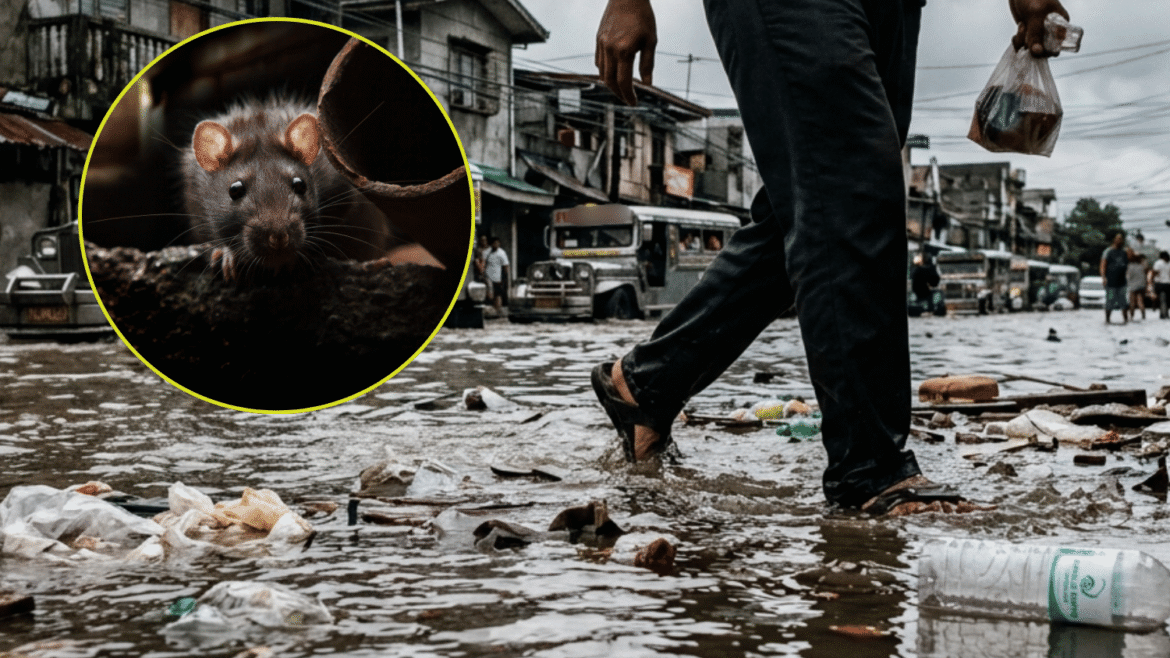
Leptospirosis spreads to dogs when they touch water, soil, or areas contaminated with urine from infected animals like rats.
For many families, dogs are part of the household.
But when floodwater enters the places where people live, their pets can face some of the same health risks.
One of them is leptospirosis, a bacterial disease that can affect both dogs and humans.
Dogs can contract leptospirosis through contact with water, soil, or other areas contaminated with the urine of infected animals, particularly rats. Floodwater and stagnant water can increase the chances of exposure.
Boehringer Ingelheim Animal Health Philippines highlighted the risk on International Dog Day, Aug. 26, as rains and flooding continue to affect communities.
But dogs don’t have to wade through floodwater to be exposed. Leptospirosis can also occur in urban areas where rodents are present.
Early signs can include fever, lethargy, vomiting, and diarrhea. These may look like other illnesses, but severe infections can damage the kidneys and liver, cause bleeding problems, and lead to other serious complications.
Pet owners should consult a veterinarian if their dog becomes ill or may have been exposed to contaminated water or soil.
Keeping dogs away from floodwater, puddles, and stagnant water can help reduce exposure. Owners can also provide clean drinking water and keep their homes and surroundings clean to discourage rodents.
Regular veterinary care is another layer of protection. Keeping vaccinations and parasite prevention up to date—based on a veterinarian’s advice—can help protect dogs from other preventable health risks.
And because dogs share our homes and environments, their health can affect ours, too. Leptospirosis can infect people, making pet care part of a bigger picture of protecting the whole household.
READ: