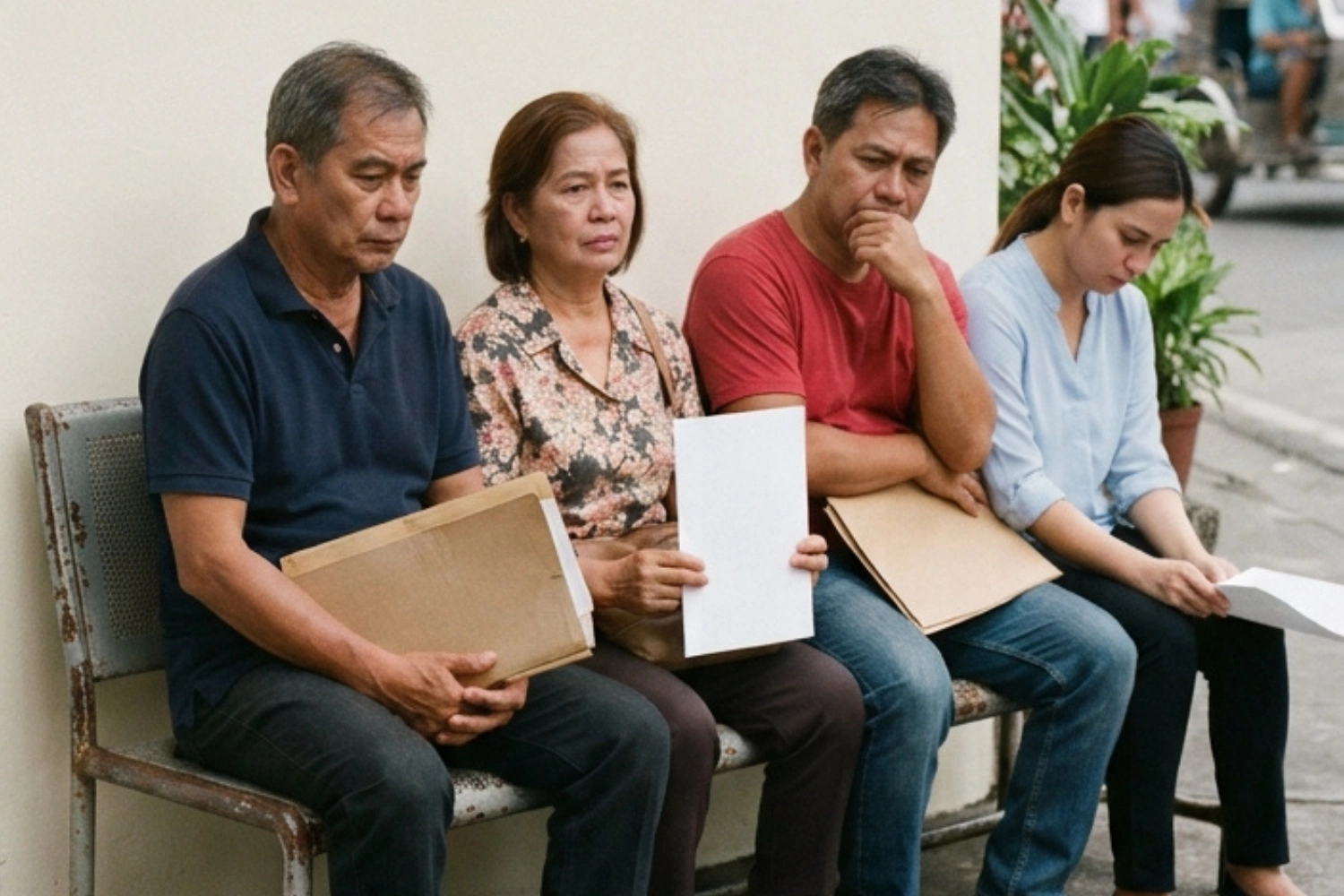
You’ve taken a leave from work, skipped breakfast, and braved Metro Manila traffic to make it to your 10 AM doctor’s appointment. You arrive early, only to hear the secretary say that the doctor is still on the way.
Two hours later, you’re still sitting in a crowded hospital corridor, wondering when your name will be called. By the time your 15-minute consultation is over, you’ve practically lost an entire day.
Why is this such a familiar experience among Filipino patients?
The reality of clinic hopping
Many Filipino specialists are independent consultants affiliated with multiple hospitals. A doctor could be seeing patients in Quezon City in the morning, Ortigas at noon, and Makati in the afternoon. One delayed consultation, compounded by unpredictable traffic, can disrupt an entire day’s schedule.
Emergencies take precedence
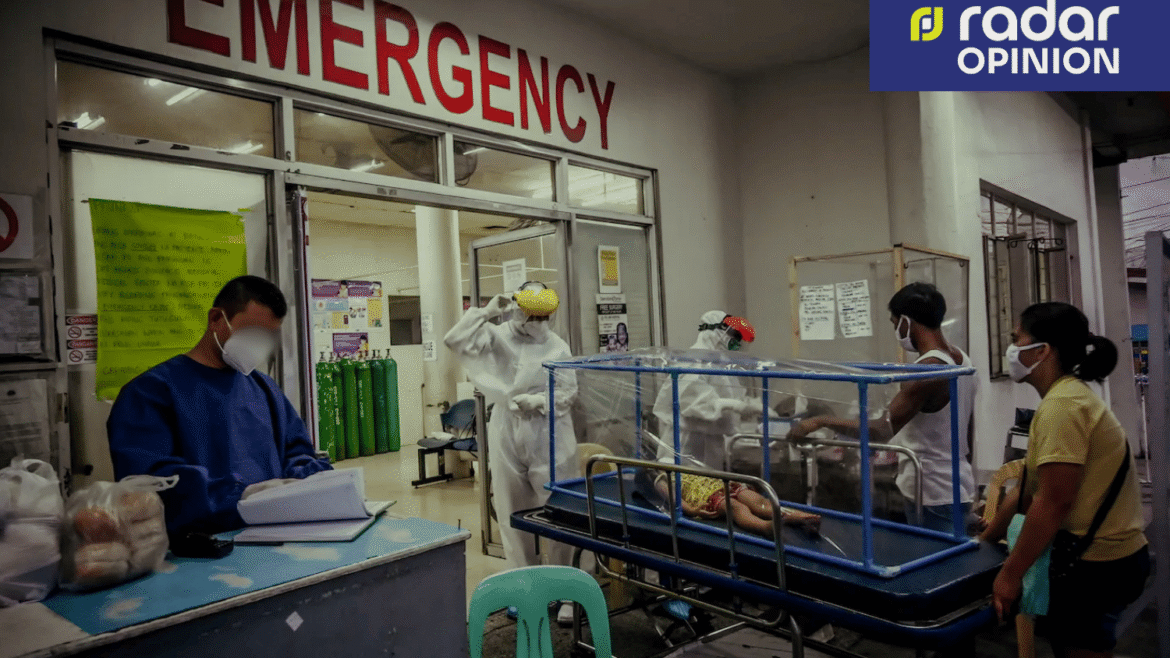
Doctors have responsibilities beyond outpatient consultations. They make hospital rounds, perform surgeries, and attend to critically ill patients. An unexpected medical emergency can easily push back scheduled clinic hours.
Your appointment is actually a queue number
In some Philippine clinics, an appointment guarantees a place in the queue rather than a specific consultation time. Several patients may be asked to arrive at 10 a.m., even though only one can be accommodated at a time.
Too many patients, too few doctors
The shortage and uneven distribution of medical specialists in the country contribute to overcrowded clinics. Accepting more patients than doctors can realistically accommodate further aggravates the problem.
Can patients avoid the long wait?
Book the earliest available slot, contact the secretary before leaving home, and consider teleconsultation for routine follow-ups.
Still, understanding why doctors are late does not mean patients should tolerate chronic tardiness. Better scheduling and timely notifications could spare patients hours of unnecessary waiting.
After all, doctors are not the only people with demanding schedules. Their patients have lives outside the hospital, too.