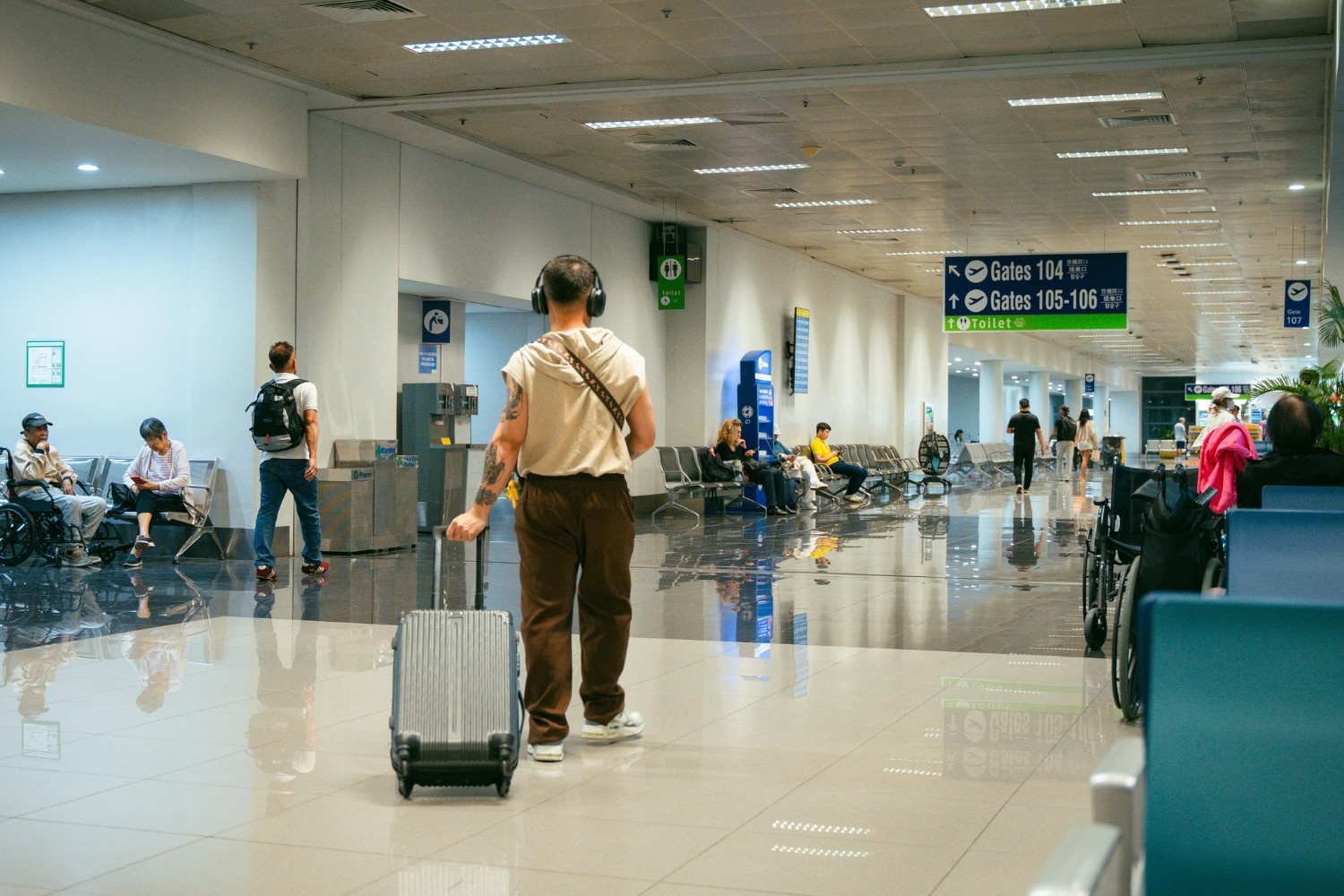
Only the Philippines in SEA burdens its own citizens with fees for exiting the country.
The travel tax should be listed as a Filipino invention.
While our Southeast Asian neighbors make it easier and more affordable for their citizens to see the world, Filipinos are still met with a ₱1,620 “exit fee” at the departure gate.
The 24-year broken promise
In 2002, the Philippines signed the ASEAN Tourism Agreement, pledging to phase out travel levies for ASEAN nationals. Yet, over two decades later, we are still paying one of the highest “citizen-only” taxes in the region.
Our neighbors have streamlined travel costs by embedding minimal fees directly into ticket prices. Filipinos, however, are hit twice: first through the travel tax, and again through terminal fees.
But where exactly does that money go?
The TIEZA funding dilemma
According to TIEZA, it goes toward “nation-building.” But asking Filipino travelers to subsidize local tourism as they head abroad is like charging someone a maintenance fee for a house they are currently leaving.
Why should a Filipino budget traveler be taxed for the basic right to travel? Amidst record-high inflation and soaring airfares, it feels contradictory to be one of the few nations charging its own citizens a premium just to cross its own borders.
While funding local heritage is a noble cause, we shouldn’t be forced to choose between supporting our country and experiencing the world. We would much rather spend our ₱1,620 on several days’ worth of meals abroad.
It’s time to stop the exit fee. While ASEAN neighbors simplify travel, Filipinos are still hit with a ₱1,620 tax at the gate.