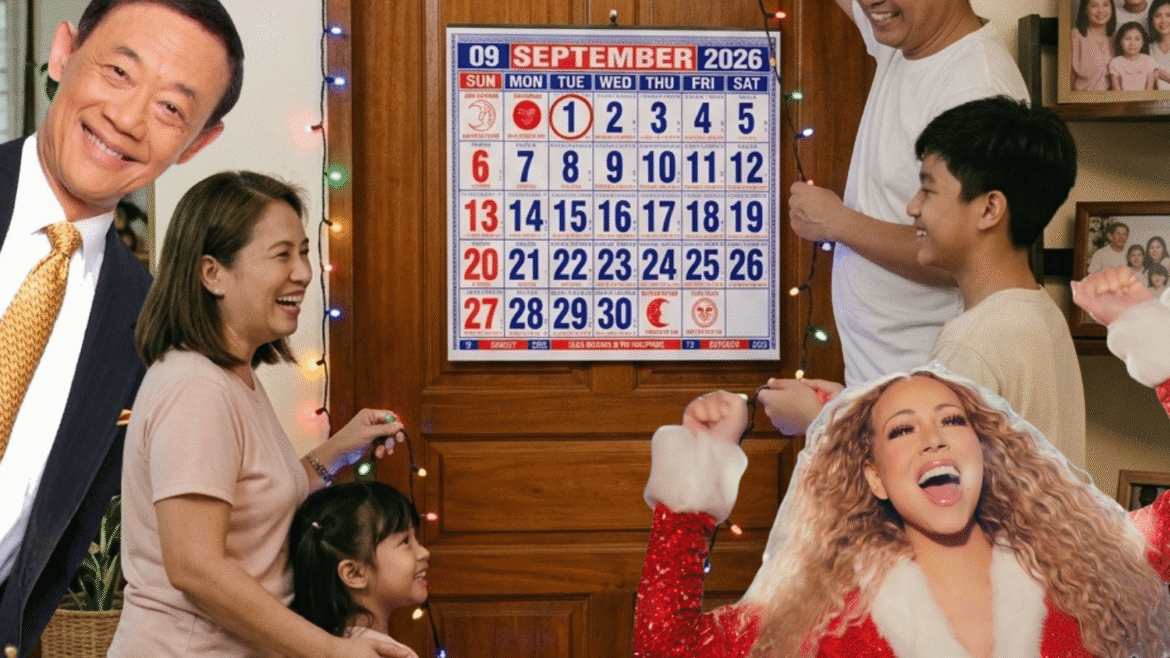
“Can we Filipinos stop this NONSENSE that ‘Christmas starts in September in the Philippines’, please?” Dumsum wrote in a Sept. 3 Facebook post.
“Wala pa ngang UNDAS at ADVENT nag-Christmas na????” he added.
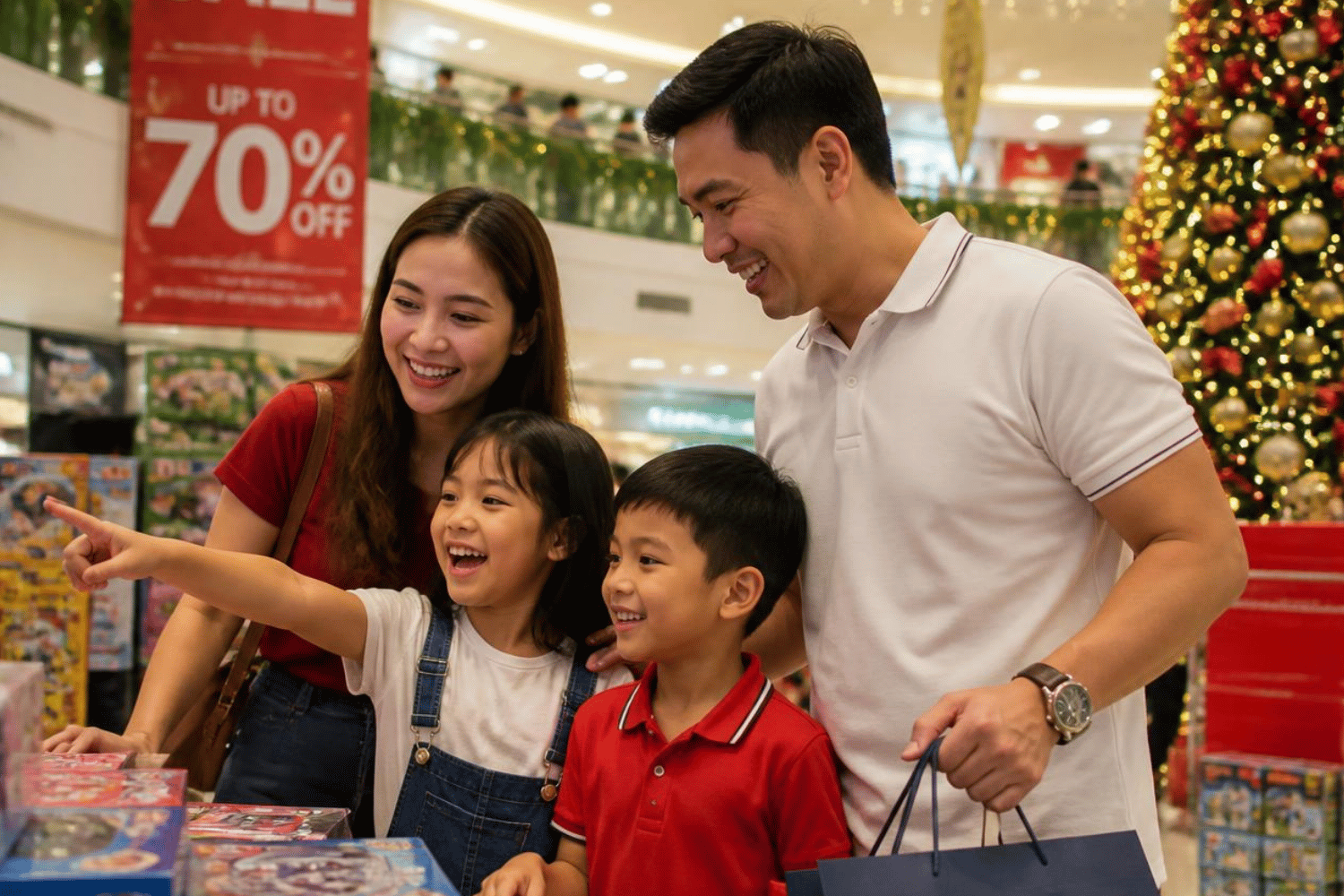
Dumsum said the early shopping push is meant to encourage people to buy gifts while stores are less crowded, rather than wait until December when families and friends are already preparing for reunions, parties and other gatherings.
“That’s really what it is,” he wrote, arguing that stores nudging shoppers to buy gifts early “does NOT count as Christmas.”
The post drew mixed reactions. Some agreed that Christmas has become too commercialized too early. Others argued that for many Filipinos, the return of Christmas songs, decorations, food and familiar traditions is less about celebrating Christmas itself than anticipating its arrival.
Sociologist Bro. Clifford Sorita has described the “ber” months as a psychological clock for Christmas. The extended season gives Filipinos more time to “plan, prepare and prioritize” gifts, travel, reunions, and other holiday activities rather than cram them into December.
Cultural historian and content creator Kirby Araullo offers another perspective on why September may feel culturally significant. In a September 2025 video, he argued that the month may have already held importance for precolonial communities, when seasonal and environmental changes marked an important period for agricultural communities.
Christmas arrived later, but Filipinos eventually incorporated it into a broader seasonal rhythm. Rev. Fr. Antonio Noel Carbayas and theologian Fides del Castillo described this process as the “Filipinization” of Christmas in their 2020 study, noting how the celebration became intertwined with Filipino family life, faith, reunions, homecomings, gift-giving, and other local traditions.
Commercialism is part of that evolution, but it is not the whole story. For Filipinos separated from their families by work or migration, the long Christmas season can also mean more time to save, plan trips and arrange reunions. For others, the early return of familiar songs and traditions is itself part of the anticipation.
So while the “ber” months may not literally be Christmas, they have become an established part of how Filipinos prepare for, anticipate, and experience the holiday season.