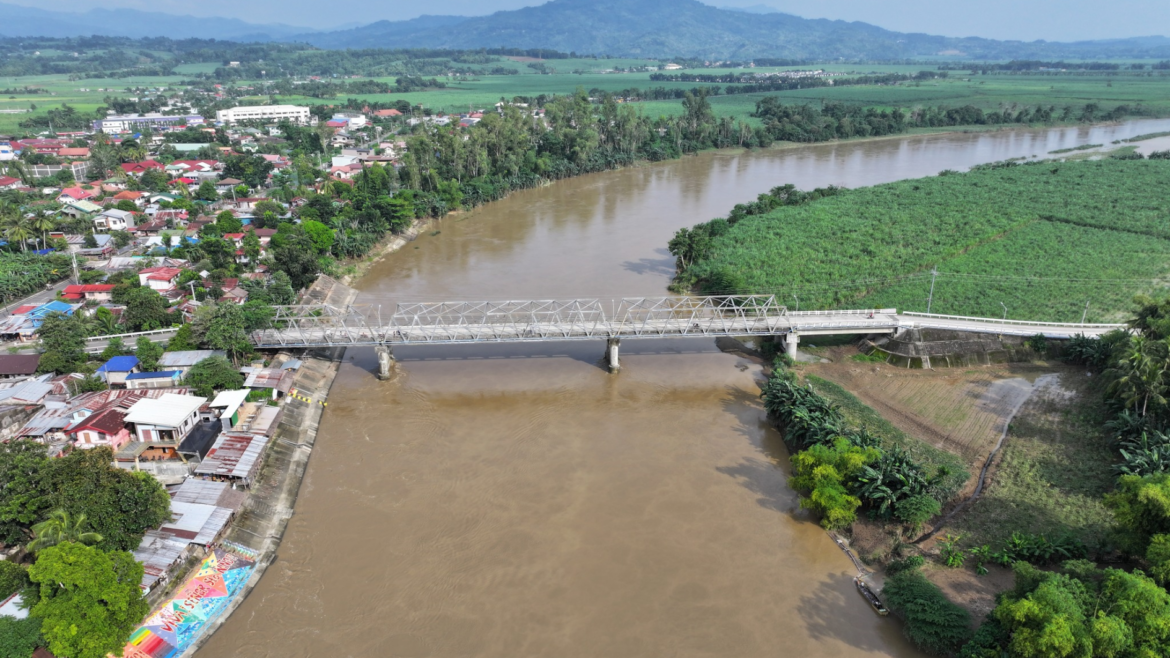
Floodwaters in Metro Manila bring an increased risk of leptospirosis during the rainy season.
With today’s sudden downpour heralding June and the rains it brings, public health cannot take a backseat.
As floodwaters rise across Metro Manila, the Department of Health (DOH) and the World Health Organization (WHO) are reminding everyone that leptospirosis is a highly dangerous, life-threatening bacterial infection that peaks during the wet months. It is not airborne; it is contracted through direct contact with water, mud, or soil contaminated with the urine of infected animals—most notoriously, rats.
The bacteria can easily enter your system through open wounds, cuts, or minor scratches on your feet and legs, as well as the mucous membranes of your eyes, nose, or mouth (if dirty floodwater accidentally splashes onto your face).
Symptoms to watch for
According to the WHO, early detection is the only way to prevent severe organ damage. Symptoms usually appear 5 to 14 days after exposure but can manifest anywhere from 2 to 30 days.
Early Signs: Sudden high fever, severe headache, muscle chills, intense calf and lower back pain, and distinct redness in the eyes (conjunctival suffusion without pus).
Severe Stages (Weil’s Disease): If left untreated, the bacteria can cause liver damage (jaundice/yellowing of eyes and skin), kidney failure, persistent vomiting, and internal bleeding.
What you can do
If you walked through floodwaters today, do not wait for symptoms to appear to take action. The DOH and WHO outline a strict protocol for Post-Exposure Prophylaxis (PEP):
Consult a doctor immediately: Go to your nearest health center or use a teleconsult app to ask a physician for doxycycline.
Low-Risk Exposure: (A single walk through shallow floodwater with no open wounds) A single dose of doxycycline is typically prescribed within 24 to 72 hours post-exposure.
High-Risk Exposure: (Wading in deep floods with open cuts or prolonged exposure) A weekly preventative course may be required.
STRICT WARNING: Doxycycline is a prescription antibiotic and is strictly forbidden for pregnant women, lactating mothers, and children under 8 years old. They must see a doctor immediately for safer medical alternatives.
READ: