Davao Oriental’s Mount Hamiguitan Range Wildlife Sanctuary tightens rules on tourism waste under a new permanent ban.
Wet wipes and single-use plastic materials are now permanently banned inside the Mount Hamiguitan Range Wildlife Sanctuary in Davao Oriental, as authorities tighten measures to curb waste and reduce the environmental impact of tourism activities in the protected area.
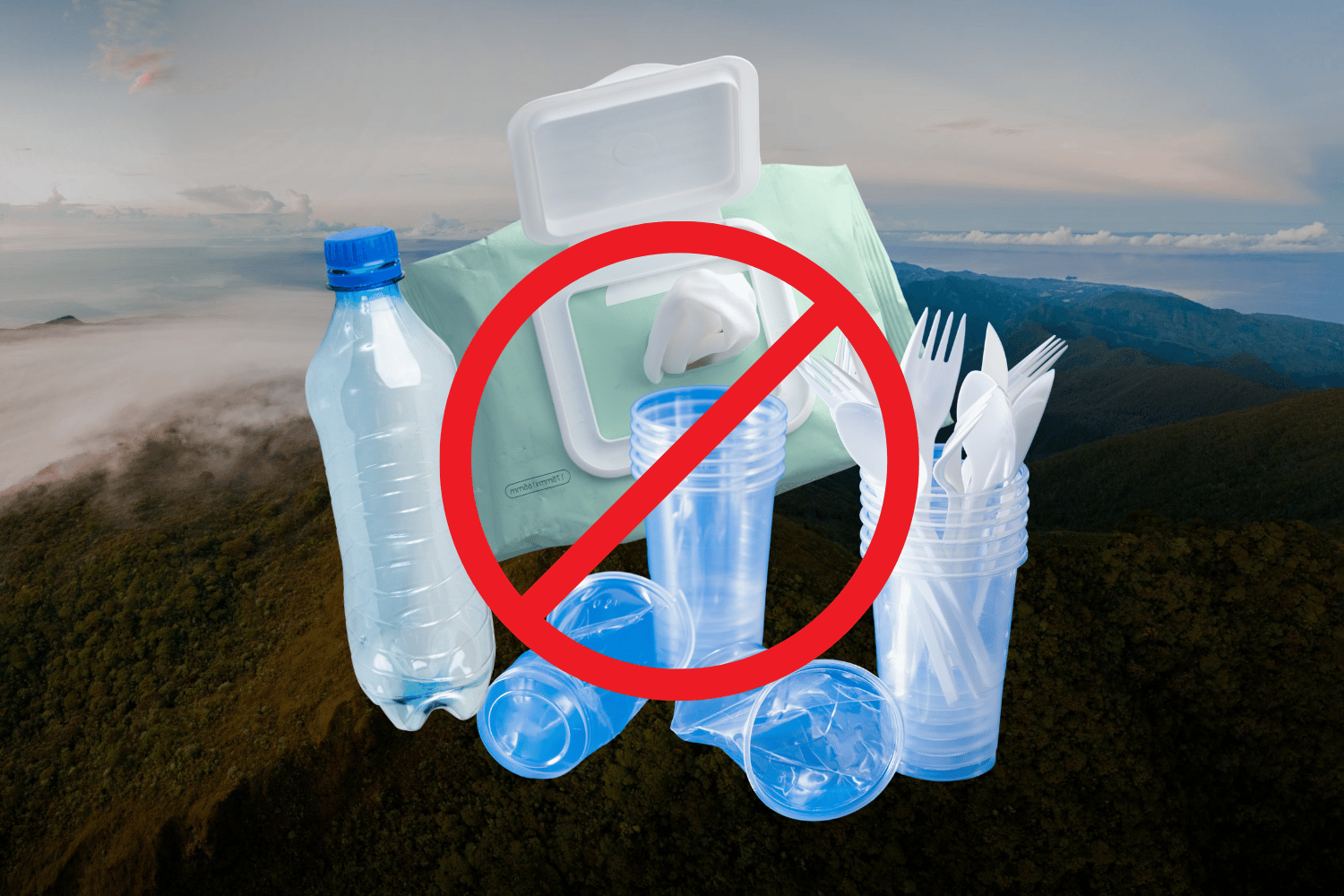
The ban covers the entry, use, and disposal of wet wipes and single-use plastics, including PET bottles, sachets, and disposable cutlery.
The policy followed findings from the Protected Area Management Office’s semiannual monitoring of ecotourism activities in Mount Hamiguitan, a UNESCO World Heritage Site. The Mount Hamiguitan Range Wildlife Sanctuary was inscribed on the UNESCO World Heritage List in 2014.
The office said wet wipes contain non-biodegradable plastic fibers and chemical resins that do not decompose in forest environments, while single-use plastics contribute to the degradation of the protected area and its water sources.
Visitors, trekkers, and researchers will undergo a mandatory pre-climb orientation where the policy will be explained. Their baggage will also be inspected before entering the protected area.
Accredited porters and guides will also help enforce the ban along the trails.
Violators will face penalties under existing national laws, including Republic Act No. 9003, or the Ecological Solid Waste Management Act of 2000, and Republic Act No. 11038, or the Expanded National Integrated Protected Areas System Act of 2018.
The move could help reduce persistent waste brought into the sanctuary by visitors and keep plastic materials from reaching its forest areas and water sources. It also puts greater responsibility on trekkers, researchers, and tourism operators to manage what they bring into a protected area as ecotourism activities continue.
The Protected Area Management Board approved the policy through Resolution No. 2026-20, according to the Department of Environment and Natural Resources Davao Region.
READ: