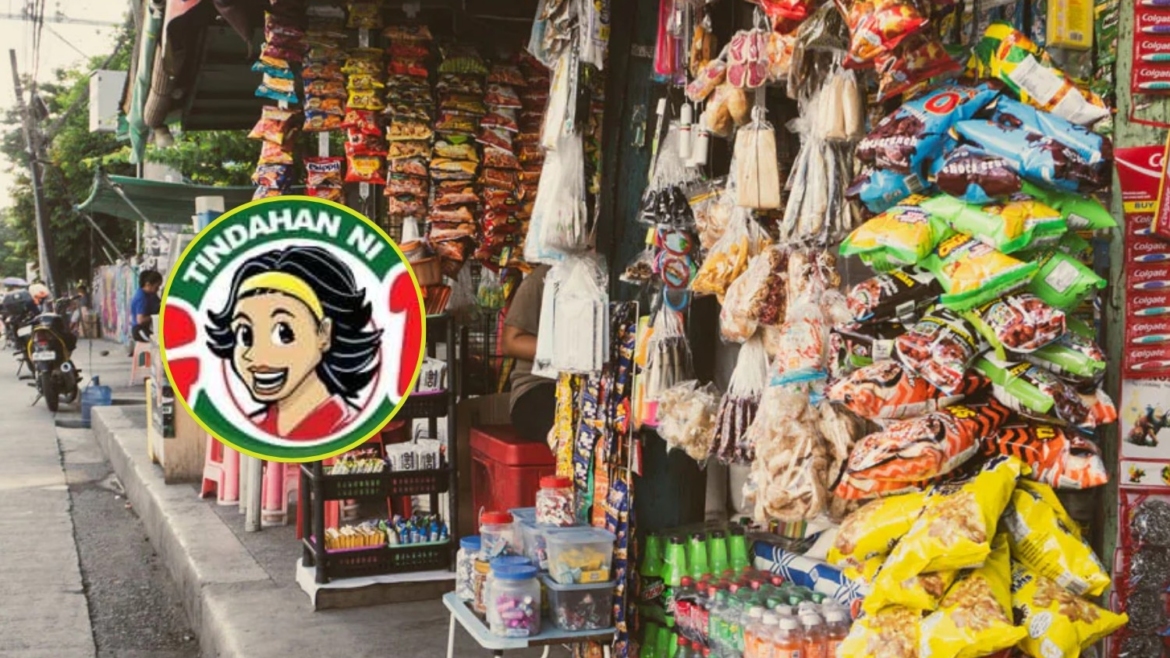
More than just a retail point, the neighborhood ‘tindahan’ is a masterclass in Filipino resilience, trust, and the art of the ‘tingi’ life.
There’s something deeply personal about a sari-sari store. It’s not just a place you go to buy what you need—it’s a place that quietly takes care of you.
For many of us, it’s the first store we ever knew. The one just a few steps away, always there when you need something—whether it’s a sachet of shampoo before school, a cold drink on a hot afternoon, or a quick fix for a sudden craving. Its convenience isn’t just about distance; it’s about comfort. It’s knowing you don’t have to go far to feel provided for.
Meeting the Filipino where they are
And then there’s the way it understands the Filipino way of living—tingi-tingi. The sari-sari store doesn’t demand that you have more than you can afford. It meets you where you are. One egg, one sachet, one peso, candy at a time. It respects the rhythm of daily survival, where every coin matters.
‘Lista muna,’ a system built on unspoken trust
But more than anything, it’s the trust. That quiet, unspoken system of “lista muna” when times are hard. No contracts, no pressure—just faith that you’ll pay when you can. In a world that often feels transactional, the sari-sari store remains human.
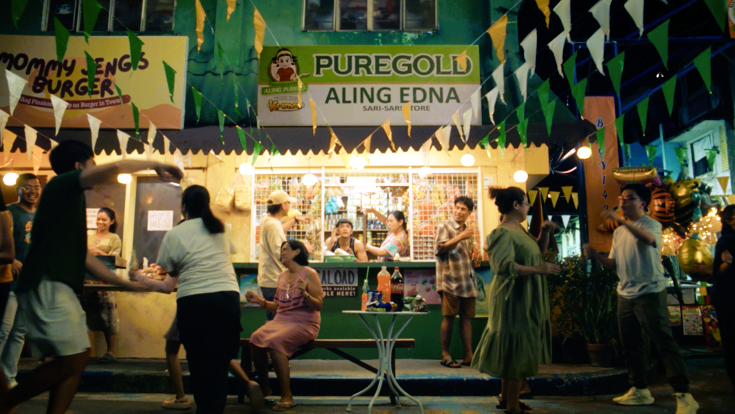
It’s also where stories live. Where neighbors pause, talk, laugh, and sometimes even confide. It’s where you hear the latest news, the smallest updates, the biggest life changes—all in passing, all in connection. It’s not just a store. It’s a witness to everyday life.
Tanungan and tambayan where stories live
And behind that small window is often a family—working, hoping, building a livelihood out of something humble yet enduring. The sari-sari store feeds not just customers but dreams.
That’s why it will never truly disappear.
Because as long as Filipinos value proximity, practicality, trust, community, and resilience, the sari-sari store will remain. Not just as a business, but as a quiet, constant presence in our lives.
A small space, with a very big heart.