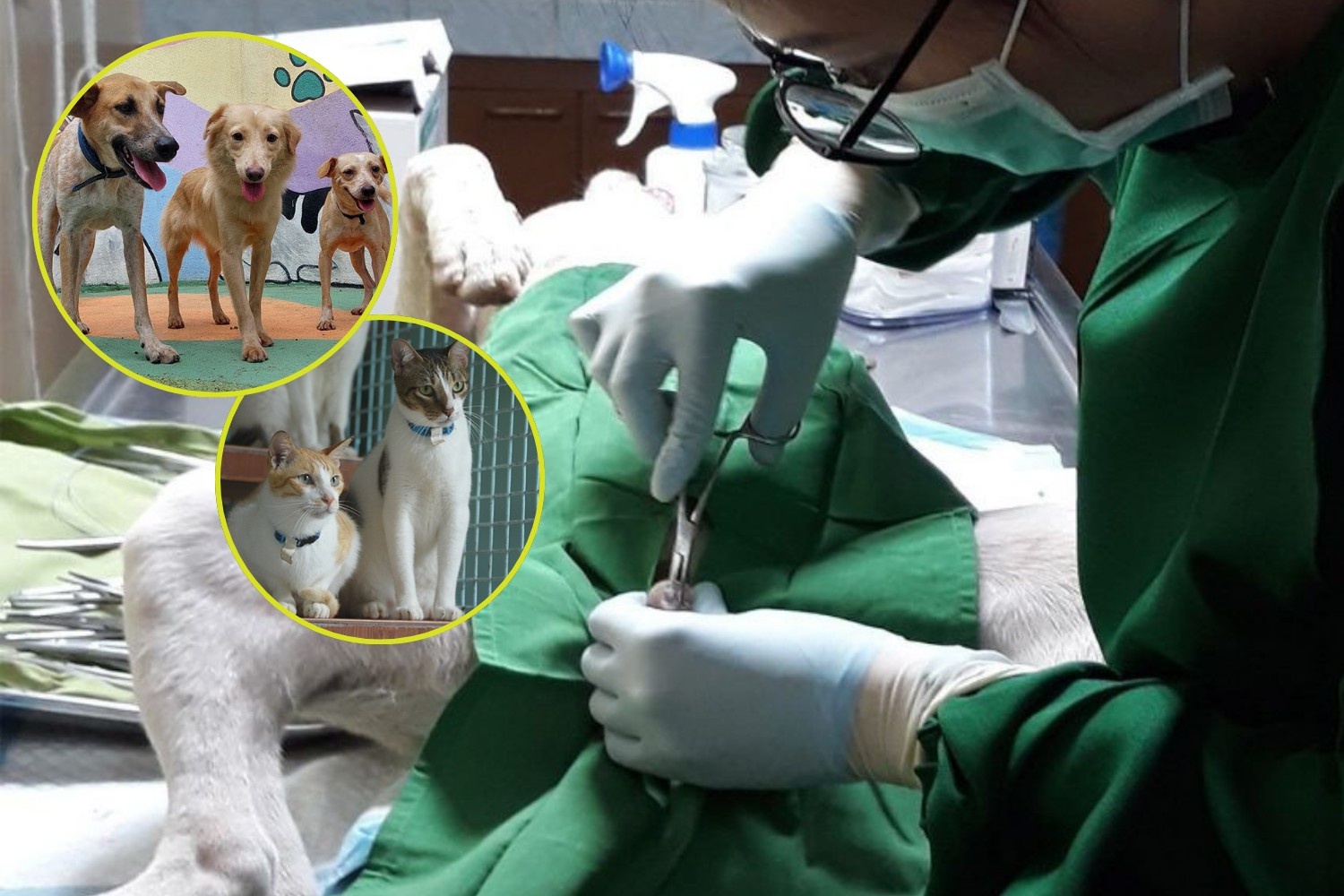
Regular spay and neuter services are seen as key to controlling stray populations.
Uncontrolled animal populations continue to pose risks to public health, sanitation, and the welfare of strays, as animal welfare advocates push for more consistent and accessible spay and neuter services nationwide.
The Philippine Animal Welfare Society (PAWS) is urging local government units (LGUs) to implement free monthly “kapon” programs, saying sustained efforts, not one-time drives, are key to effectively managing stray populations over the long term.
Through its “Kapon for All Pets” initiative, the group promotes partnerships with local veterinarians to ensure regular and wider access to these services.
Why consistency matters
To expand coverage, PAWS is proposing local ordinances that would incentivize private veterinarians through tax breaks or business permit rebates in exchange for providing a minimum quota of free kapon procedures each month for indigent residents.
Currently, free services are often limited, while standard procedures can cost ₱700 to ₱2,500, making them inaccessible for many low-income pet owners. PAWS itself relies largely on donations, which limits both the scale and frequency of its outreach programs.
Spaying and neutering help prevent overpopulation and abandonment, improving animal welfare and easing pressure on overcrowded shelters.
Preparing your pet for ‘kapon’
Thinking of taking advantage of a local drive? Here is how to prepare your furry friend:
- Age and Health Check: Most pets can be safely neutered as early as six months. Ensure your pet is updated on vaccinations and is in good physical health before the procedure.
- The Fasting Rule: Pets are typically required to fast (no food or water) for at least 8 to 12 hours before the surgery to prevent complications during anesthesia.
- Aftercare Essentials: Prepare a quiet, clean space for your pet to recover. You will need to monitor the incision site for several days and may need an “E-collar” (the cone of shame) to prevent them from licking the stitches.
Pro-tip: Check with your Barangay animal health officer or local PAWS representative to see if your LGU has already started implementing the “Kapon for All” rebates. Bringing your own towel and carrier to the site often helps local volunteers manage the flow of pets more efficiently.