Food advocates claim dishes ‘stolen’ from other cuisines amid global tensions.
Vikings is facing backlash for offering Israeli cuisine amid growing frustration with Israeli tourists in Siargao and the country’s ongoing wars in the Middle East.
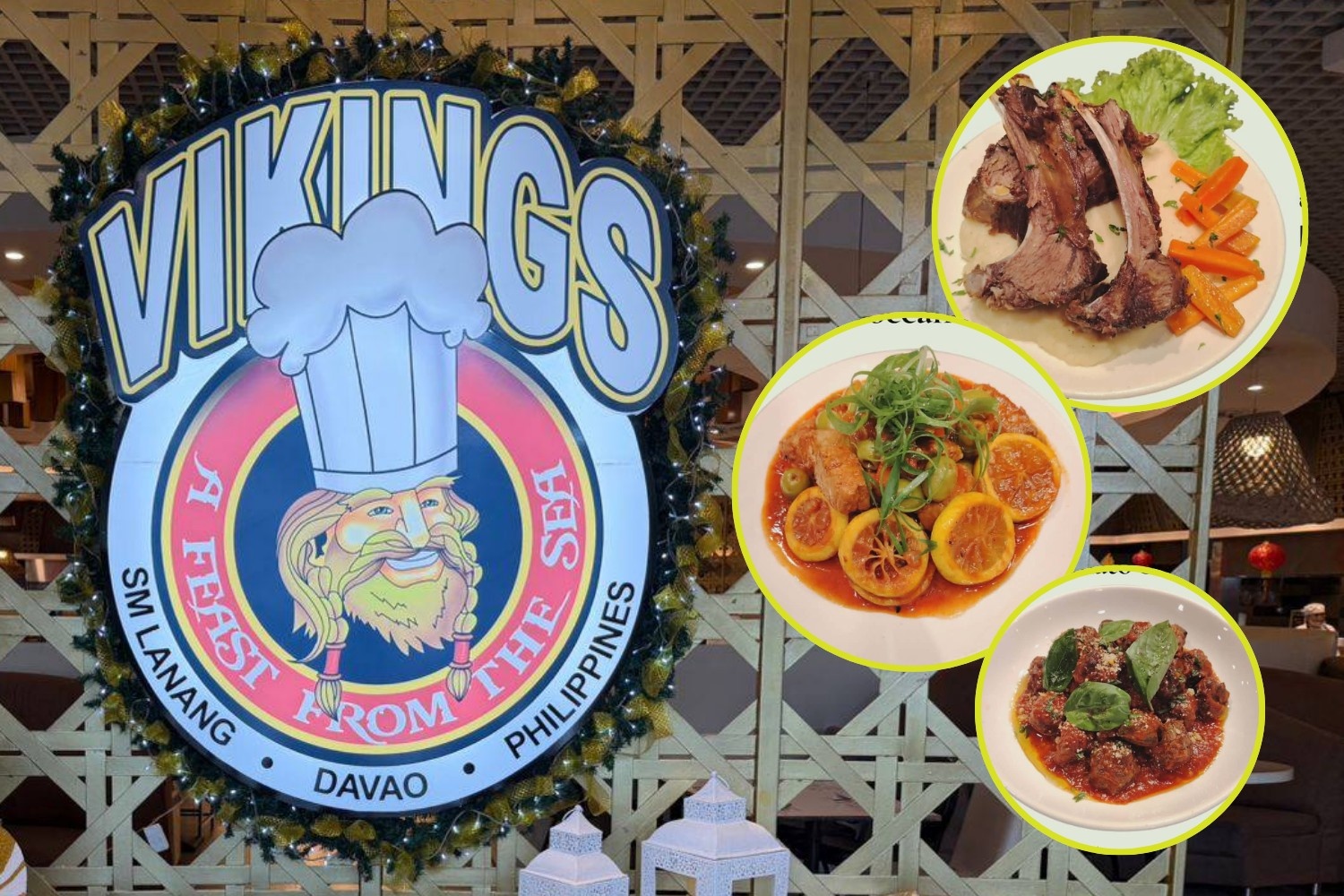
Vikings Luxury Buffet announced on April 24 that it would offer Israeli cuisine at its SM Lanang Premier branch in Davao City. The dishes would be available for a limited time only, with the promo running from April 25 to 26.
Vikings offered khachapuri, grilled lamb chops, beef stew, stuffed cabbage rolls, merguez, shashlik, fattoush, meatballs with tomato sauce, and Moroccan fish.
The geopolitical context
Netizens were quick to call the promo “insensitive” amid ongoing wars being waged by Israel. The country has launched attacks against Iran, Syria, and Palestine. The war with Palestine has particularly drawn the attention of human rights groups due to the extent of Israel’s alleged war crimes.
In the Philippines, residents in Siargao have also expressed growing frustration over Israeli expats in the area. Locals have opposed the establishment of a Chabad House—or Jewish community center—on the island due to reports of unruly behavior from Israeli residents and growing commercialization.
“Culinary theft” and mislabeling
Food advocates have also criticized the selection of dishes, pointing out that they were not even from Israel.
For instance, fattoush is a salad from the Levant region, comprising Lebanon, Syria, Jordan, Palestine, and neighboring nations. Experts say that the dish has been culturally appropriated by Israel, much to the frustration of the originating cultures. Meanwhile, khachapuri is a bread from Georgia, and merguez is a sausage from Algeria and Morocco.
Understanding gastropolitics
How can food become a “battleground” in 2026? Here is why certain dishes spark such strong reactions:
- Cultural ownership: When a dominant culture claims the food of a marginalized or occupied group as its own, it is seen as a form of “culinary colonization.”
- Naming matters: Using terms like “Levantine” or “Mediterranean” is often considered more inclusive and historically accurate than attributing an entire region’s food to a single, politically contentious nation-state.
- The ethics of consumption: Increasingly, consumers are using their food spend to reflect their political values. Brands that fail to vet their promotions against current world events risk alienating a socially conscious customer base.
radar advice: If you are curious about authentic flavors, look for restaurants that credit the specific region or heritage of a dish. Authentic fattoush, for example, is best understood through its deep Palestinian and Lebanese roots.