Learn how the Manila-Acapulco Galleon Trade has shaped Filipino lives for over 450 years.
Think your lifestyle is strictly homegrown? Think again. Your daily life is actually a collection of souvenirs from a 250-year-old shipping route.
The pineapple that puts the Philippines among the top three producers in the world? The fruit actually originated in South America and arrived on our shores in the 16th century.
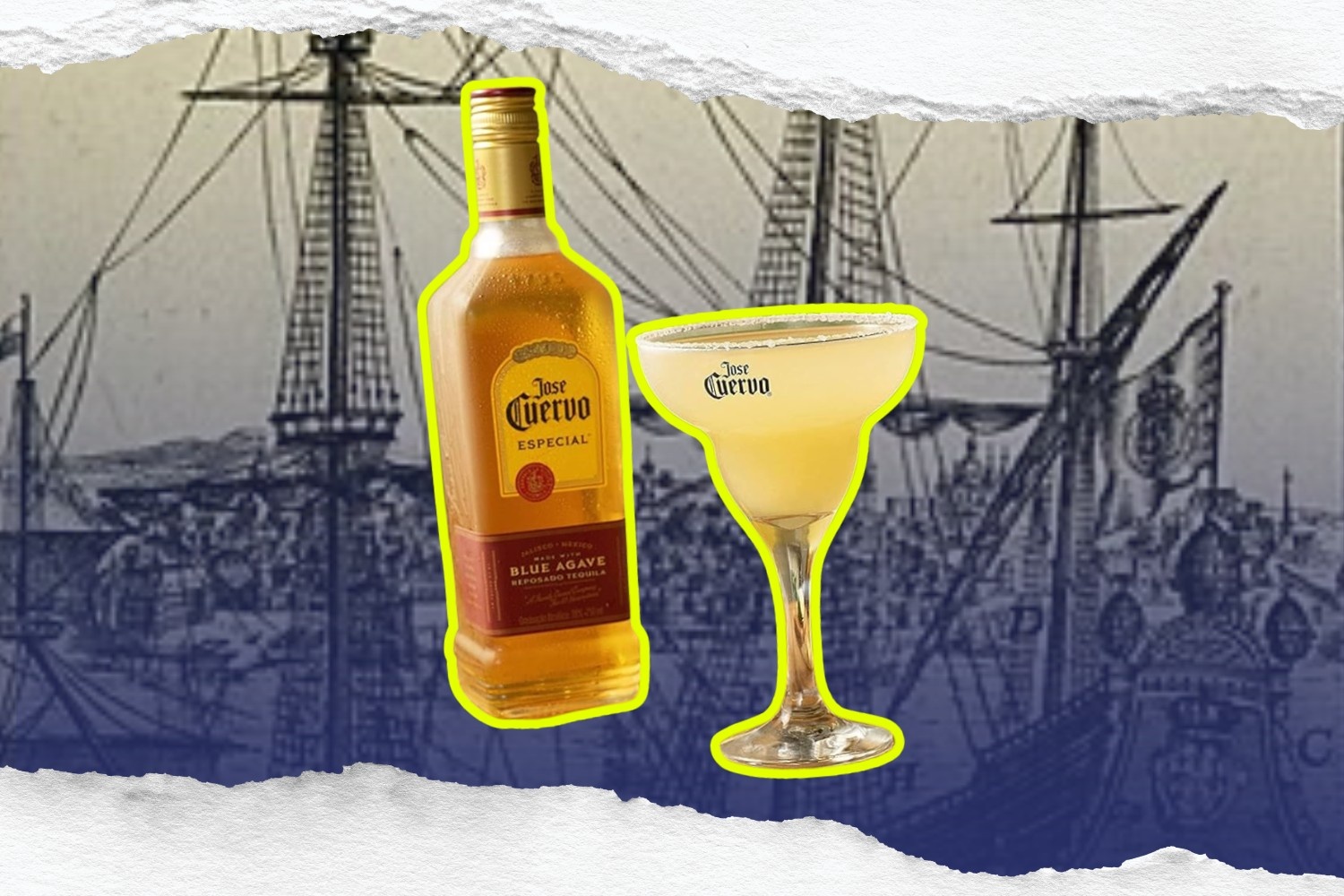
The tequila that you thought was Mexican? It wouldn’t have existed if it weren’t for Filipino crewmen who settled in Mexico and introduced their traditional distillation techniques to the locals, influencing the early production of agave spirits.
Chocolate (cacao), tobacco, corn, and avocado? All these agricultural staples came from the Americas via the Manila-Acapulco Galleon Trade. For over two centuries, the Philippines served as the primary link between Asia and the Americas, moving silver, silk, and spices across the globe.
The bridge between worlds
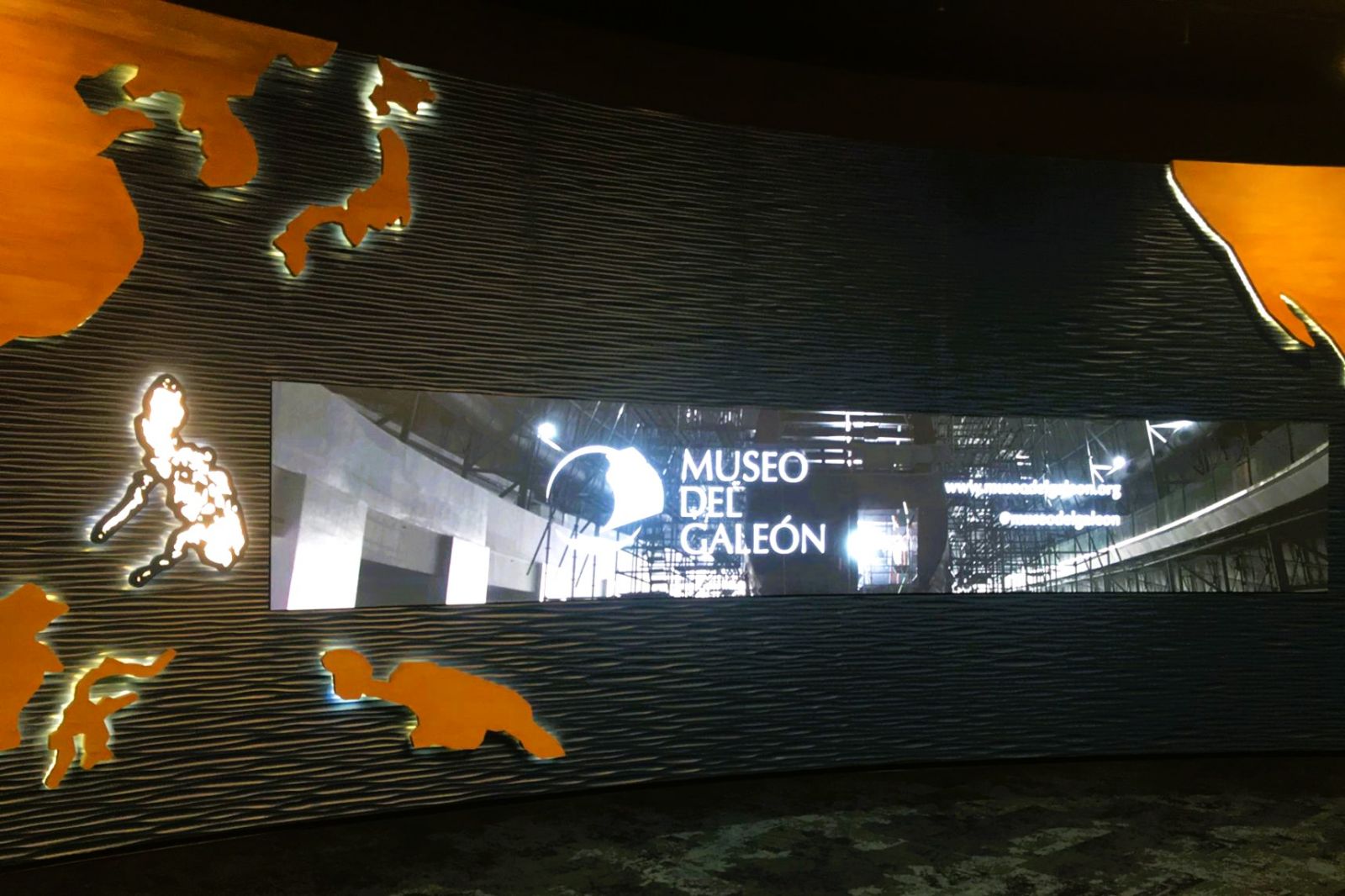
As we celebrate National Heritage Month, the Museo del Galeón at Seaside Boulevard, Pasay City, is finally open to the public. It offers a chance to see how this era shaped our modern identity.
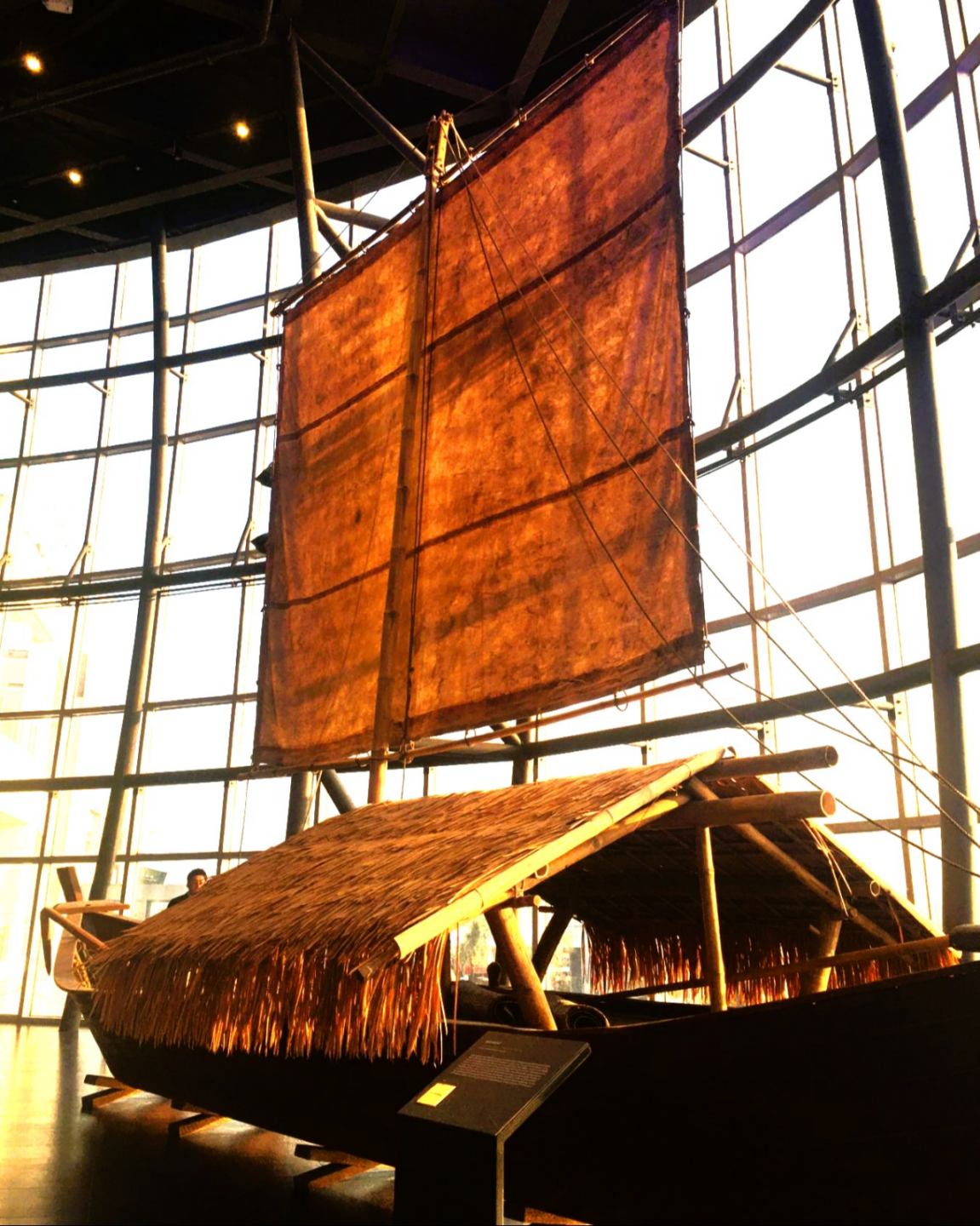
The museum’s centerpiece is the Galeón Espíritu Santo, a life-sized recreation of a merchant ship built in the Cavite shipyards in 1602.
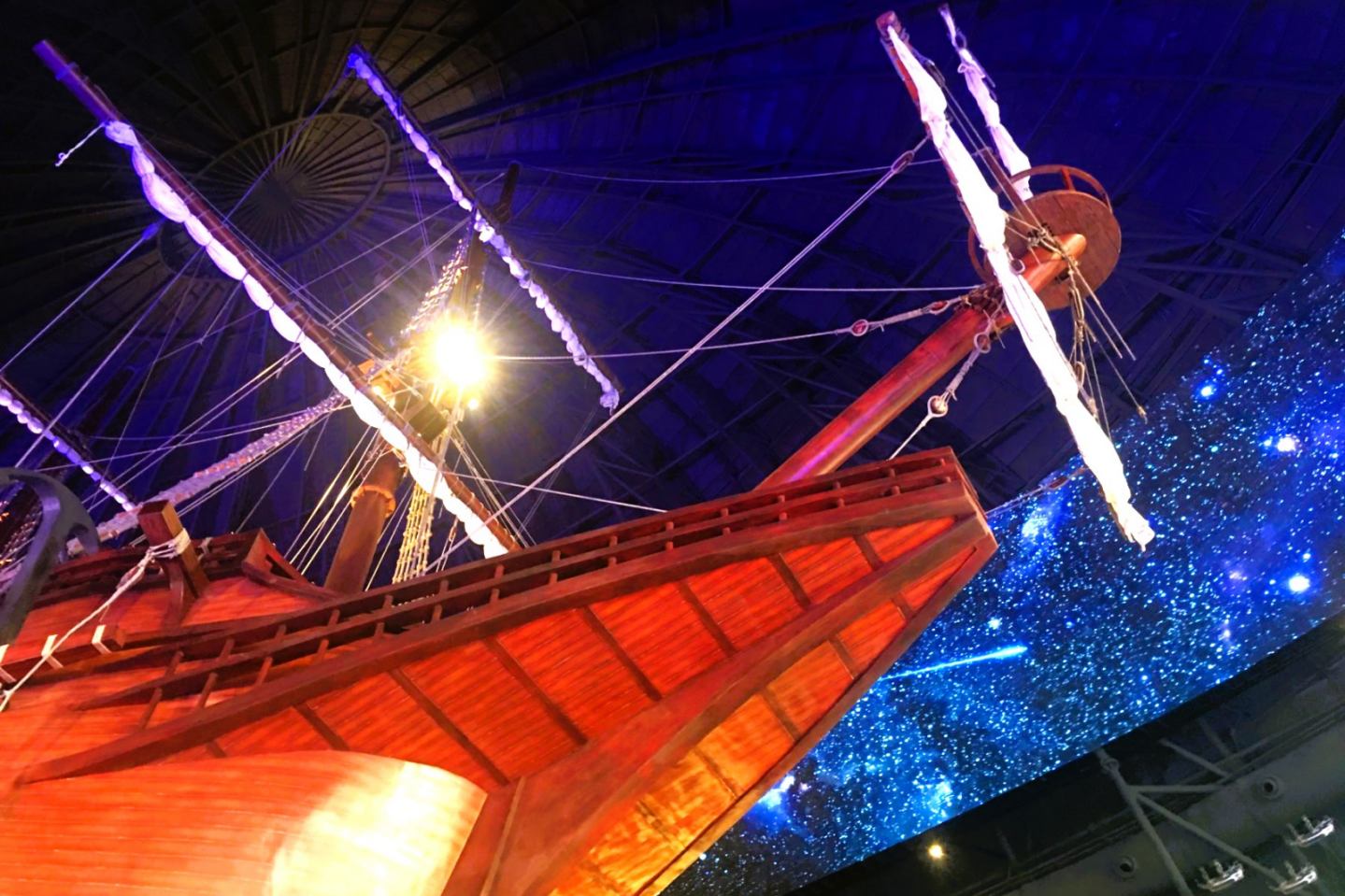
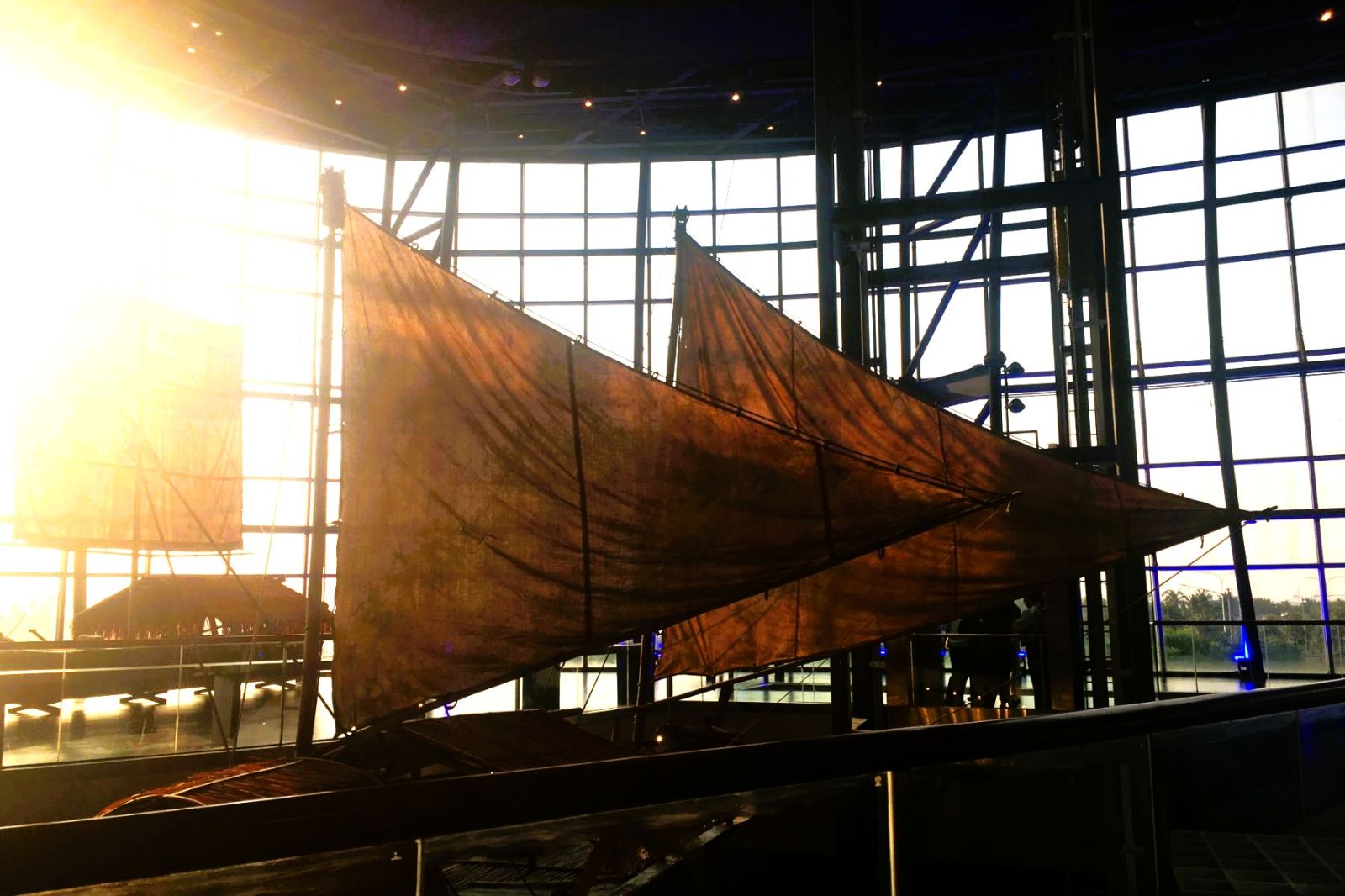
Historian and the museum’s executive director Manuel ‘Manolo’ Quezon III explains that the Espíritu Santo was chosen because it was a merchant vessel rather than a warship, representing a history of trade and cultural exchange. Visitors can step inside the ship to see and experience how seafarers lived during the long, difficult voyages across the Pacific, navigating only the stars.
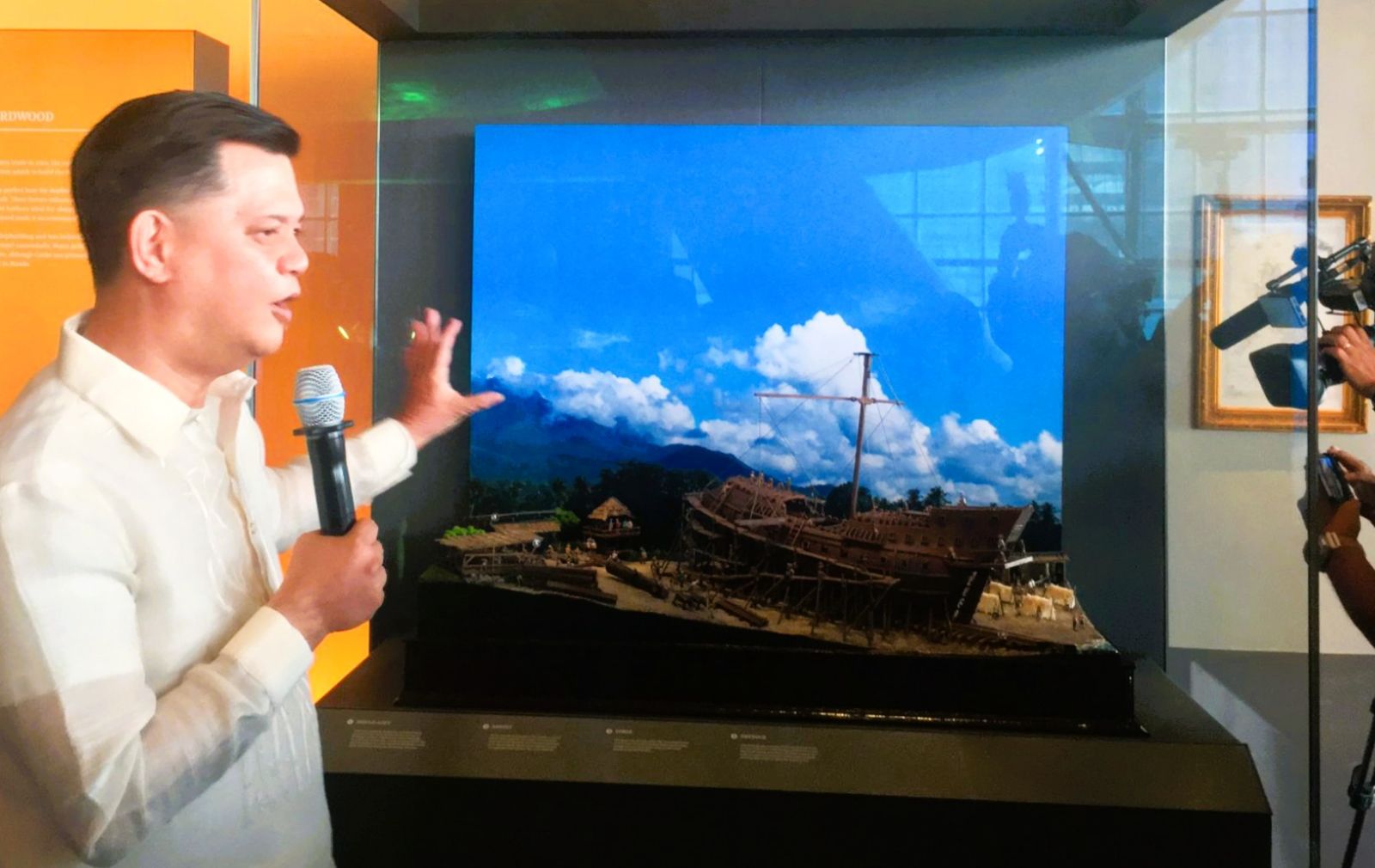
The Museo del Galeón offers an experiential journey that uses modern technology to bring the past to life. Inside the iconic dome, a stunning display of LED constellations that recreate the exact night sky once used by ancient navigators to cross the Pacific greets visitors in awe.
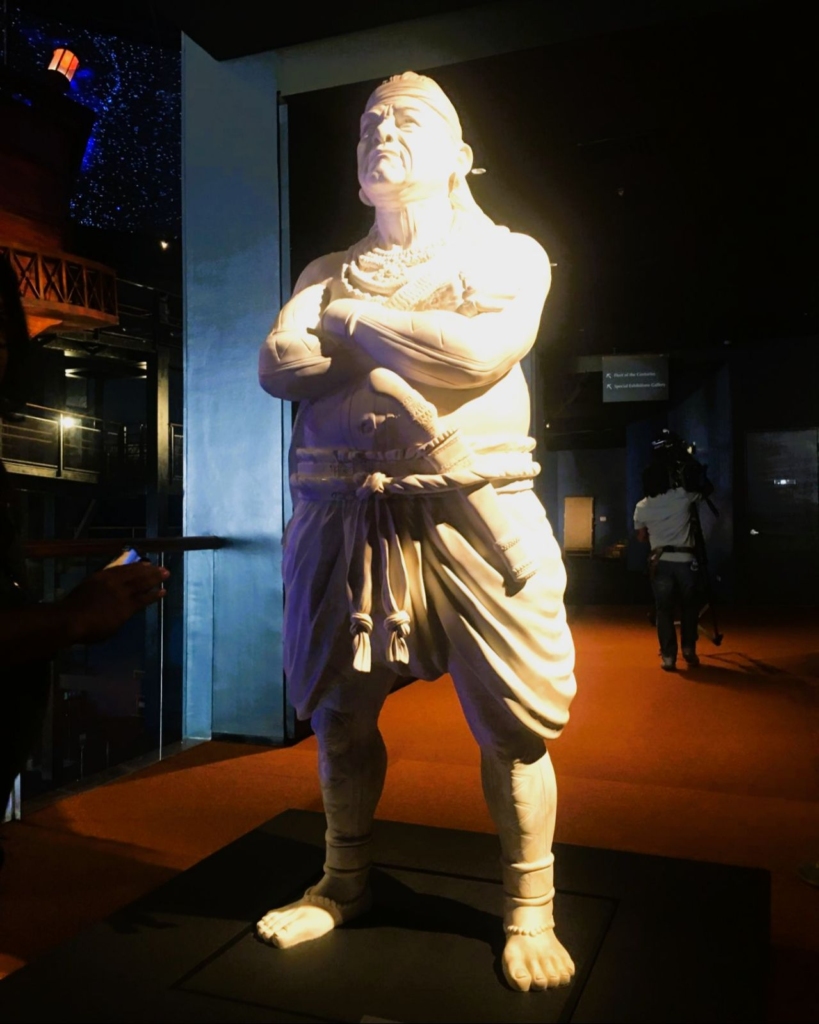
The museum’s interactive exhibits further immerse guests in the history of the era, tracing the movement of the goods, people, and ideas that defined the world’s first truly global economy. Beyond serving as a tribute to our history, the museum stands as a hub for the future, highlighting the Philippines’ enduring legacy and ongoing role as a leader in the global maritime industry.