Ruru Madrid leads a powerful historical epic on the 1887 Madrid Exposition as “Los Salvajes Bravos” wraps filming in Spain.
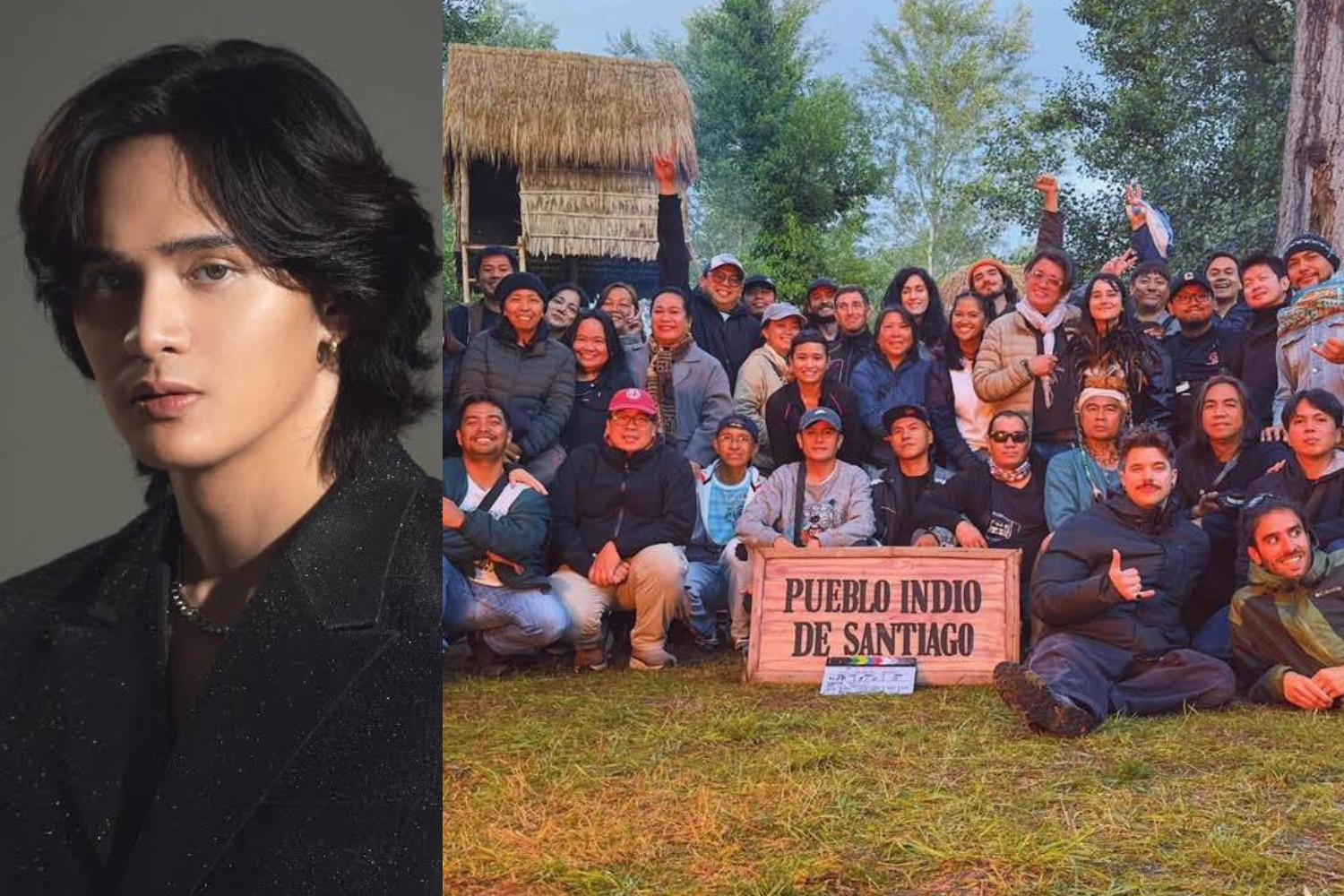
Filipino filmmaker Paolo Dy has officially wrapped principal photography for the upcoming historical drama-adventure film “Los Salvajes Bravos” in Spain.
In a social media post shared from Ciudad Rodrigo, Spain, Dy announced the completion of filming for the movie, writing: “Aaaaand that’s a wrap on principal photography for LOS SALVAJES BRAVOS!”
The director also expressed gratitude to the cast, crew, and local communities that helped bring the ambitious production to life.
“Incredibly grateful to be blessed with such an amazing cast and creative team. This has been an experience for the ages,” Dy wrote, while thanking Ciudad Rodrigo and Valladolid for hosting the production.
He ended the post with a brief update on the film’s next phase: “Now — to the editing room.”
Produced by JesCom Films, “Los Salvajes Bravos” tackles one of the darkest and least-discussed chapters of Philippine colonial history — the 1887 Philippine Exposition in Madrid, where indigenous Filipinos were transported to Spain and displayed before European audiences in what historians now describe as a “human zoo.”
The film follows Ismael Alzate, an Igorot ex-soldier loyal to the Spanish Crown, who leads a delegation of indigenous Filipinos to Spain believing they are part of a cultural showcase, only to witness the group’s humiliation and exploitation abroad.
The movie stars Romnick Sarmenta and Ruru Madrid alongside veteran actors Michael de Mesa, Christian Vasquez, Arnold Reyes, Paolo O’Hara, and Michael Roy Jornales.
Helmed by Dy and co-written with playwright Juan Ekis, the project marks JesCom’s latest historical epic following the critical success of GomBurZa. An official release date has yet to be announced.
The 1887 Philippine Exposition in Madrid was where indigenous Filipinos were transported to Spain and displayed before European audiences in what historians now describe as a ‘human zoo.’
READ: