Pete Maverick Nicole Estudillo and Joel Hassan Tolentino’s research was published in the Philippine Journal of Science. Photo illustration by Cas Aseoche
A resurfaced 2024 study suggests they have strong antioxidant capacity.
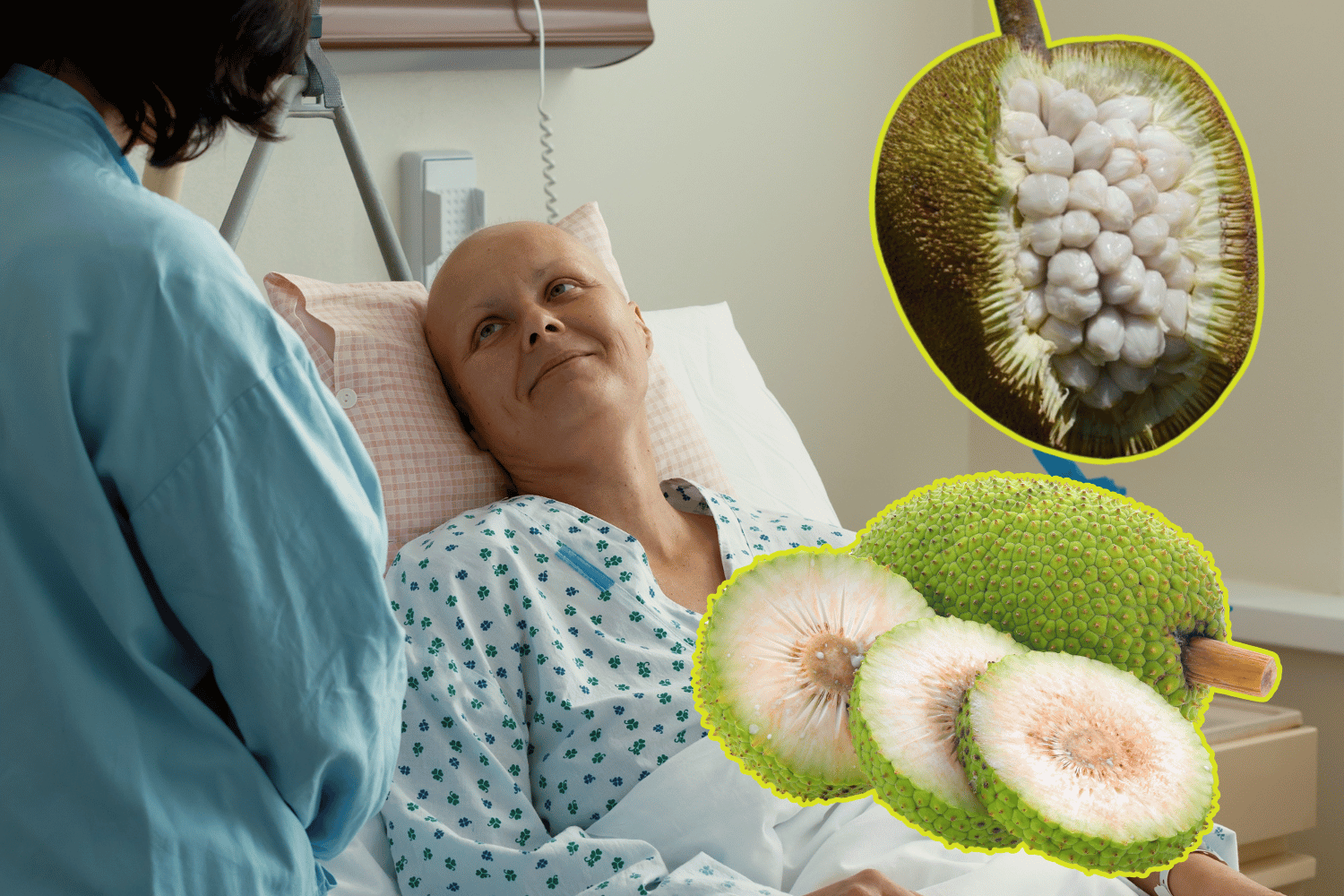
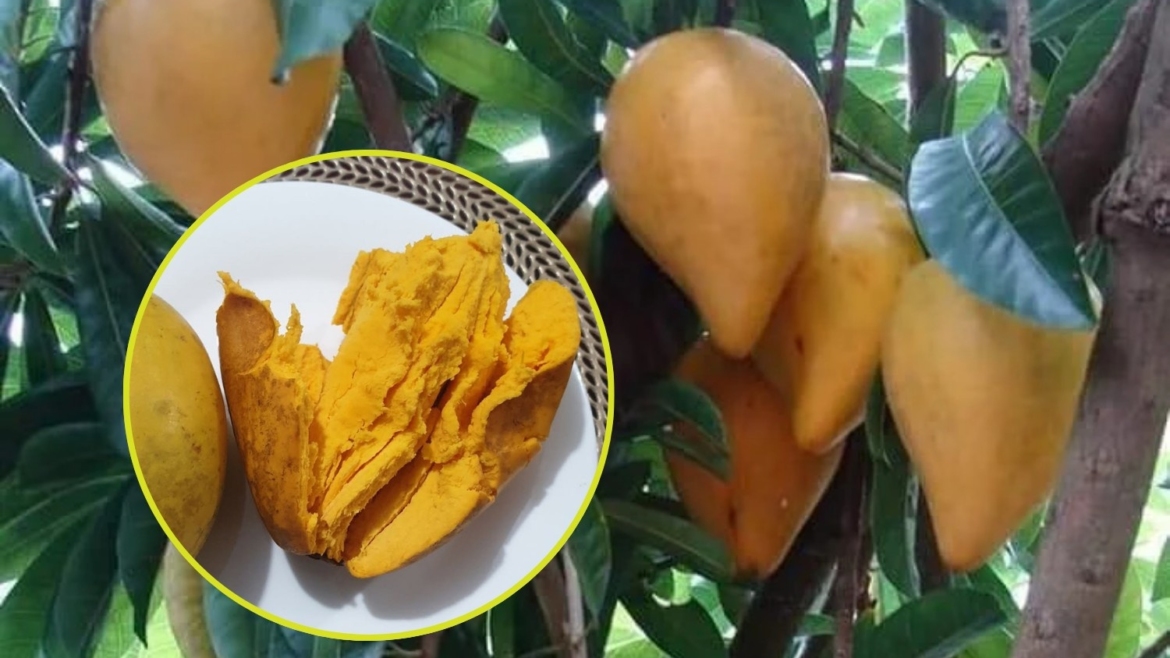
A resurfaced 2024 study from the University of the Philippines Mindanao suggests that discarded parts of two Filipino fruits might have anti-cancer properties.
Using alcohol-based extraction, they tested these components for antioxidant properties and their potential to slow down lung cancer cells. Among all samples, the peels showed the strongest antioxidant capacity.
Marang peel showed higher antioxidant properties than breadfruit peel. Still, breadfruit peel showed moderate ability to slow down the growth of lung cancer cells.
The findings align with existing research on fruits and vegetables known for their anti-cancer properties. But what sets them apart is the focus on parts typically discarded.
And beyond the lab, the implications are practical. These fruit byproducts could still be used as healthy food ingredients—helping reduce waste, add value to local fruit production, and support better health.
In the long run, the approach supports food innovation, improves waste management, and aligns with global movements toward eco-conscious living and preventive healthcare. It also reinforces the classic saying, “One man’s trash is another man’s treasure.”
The findings align with existing research on fruits and vegetables known for their anti-cancer properties.
Nikko Miguel Garcia writes about the things that make life worth living—and dying for: literature, film, food, music, pop culture, and showbiz happenings.