Chefs are rewriting the definition of luxury by sourcing rare, heritage ingredients directly from local communities.
For decades, “premium” in Philippine fine dining meant imported foreign ingredients such as Miyazaki wagyu or French truffles. But the hyper-local food-sourcing movement has turned Manila’s high-end culinary scene upside down.
The city’s elite restaurateurs today are opting out of premium imports and curating menus entirely around hyper-local, traceably sourced native ingredients as the ultimate luxury flex.
By treating fine dining as a vehicle for cultural preservation, Michelin-selected and internationally ranked establishments are decolonizing the plate and rewriting what luxury tastes like.
Restaurants like Gallery by Chele in BGC bypass commercial networks to source rare heirloom rice varieties (like Tinawon Violet and Pasil Unoy) directly from ancestral Cordillera swidden farms. They use ancient tribal techniques like kiniing (smoked pork) and tapuey (rice wine fermentation) to build edible historical narratives.
At one Michelin Star Toyo Eatery, eco-friendly, circular practices mean using Bokashi Pinoy composting to ferment kitchen scraps into nutrient-rich soil, upcycling overripe produce into small-batch artisanal banana ketchup, and serving a signature dish featuring all 18 local vegetables from the folk song Bahay Kubo.
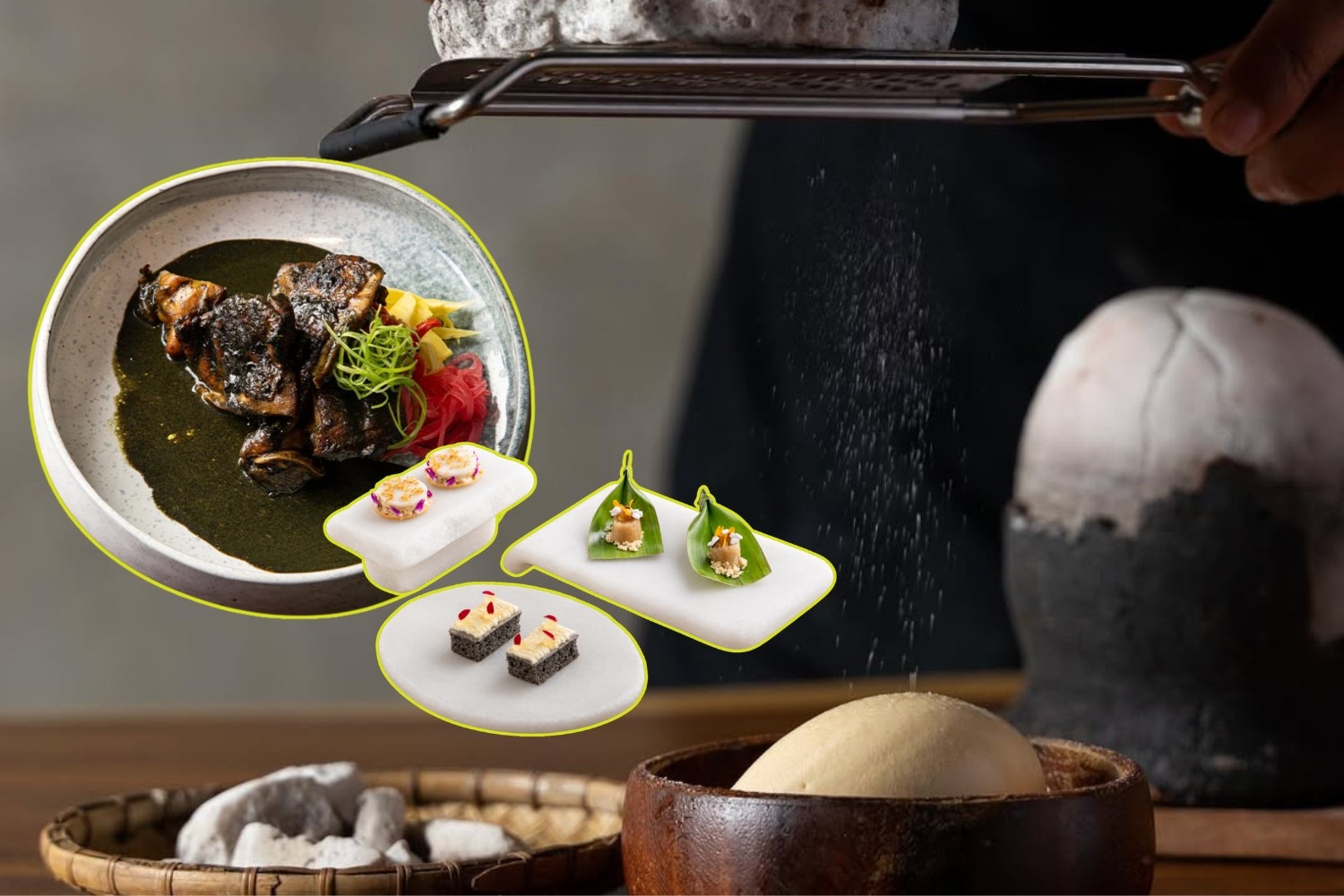
Toyo also seasons dishes with Asin Tibuok (an endangered artisanal sea salt from Bohol that is shaped like a dinosaur egg). The salt is made by soaking coconut husks in seawater for months, burning them, and filtering water through them. To get this directly would mean direct economic stewardship for the remaining handful of salt-makers in Bohol, keeping a pre-colonial food tradition alive.
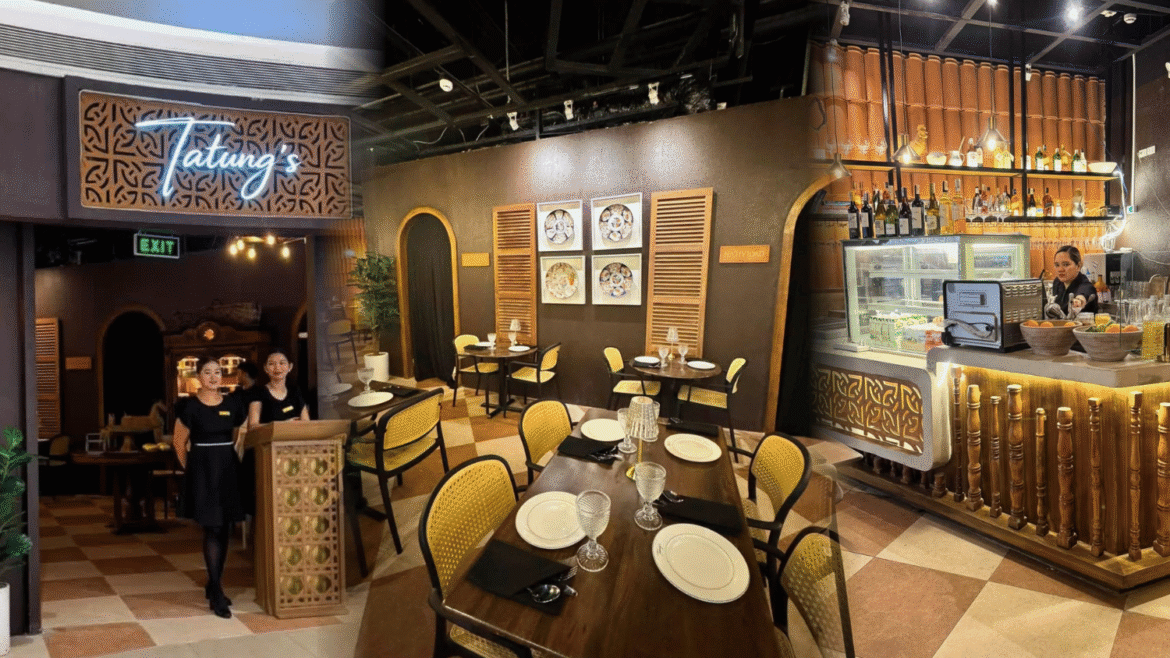
Michelin-selected Lore by Chef Tatung rejects tech-driven molecular gastronomy for culinary anthropology. Their tasting menus honor pre-colonial layers through forgotten rituals, like using slow-stewed guava as a souring agent for sinigang and utilizing actual burnt coconut husks to lock a rustic, wood-fired flavor into humble local vegetables.
True luxury is about preservation. The most exclusive ingredients on your plate are the ones that required a world-class chef to hike up a remote mountain, sit with a tribal elder, and bring back a heritage crop carrying 500 years of history.
READ: