This guide outlines five practical urban design solutions to restore greenery, lower extreme heat, and reduce flooding in Metro Manila.
The sight of mature trees being cut down along Quirino Avenue recently sparked outrage among residents who have grown increasingly alarmed by the disappearing greenery in Metro Manila.
For many, the issue goes beyond aesthetics. Every tree removed seems to make the city a little hotter, a little more flood-prone, and a little harder to breathe in.
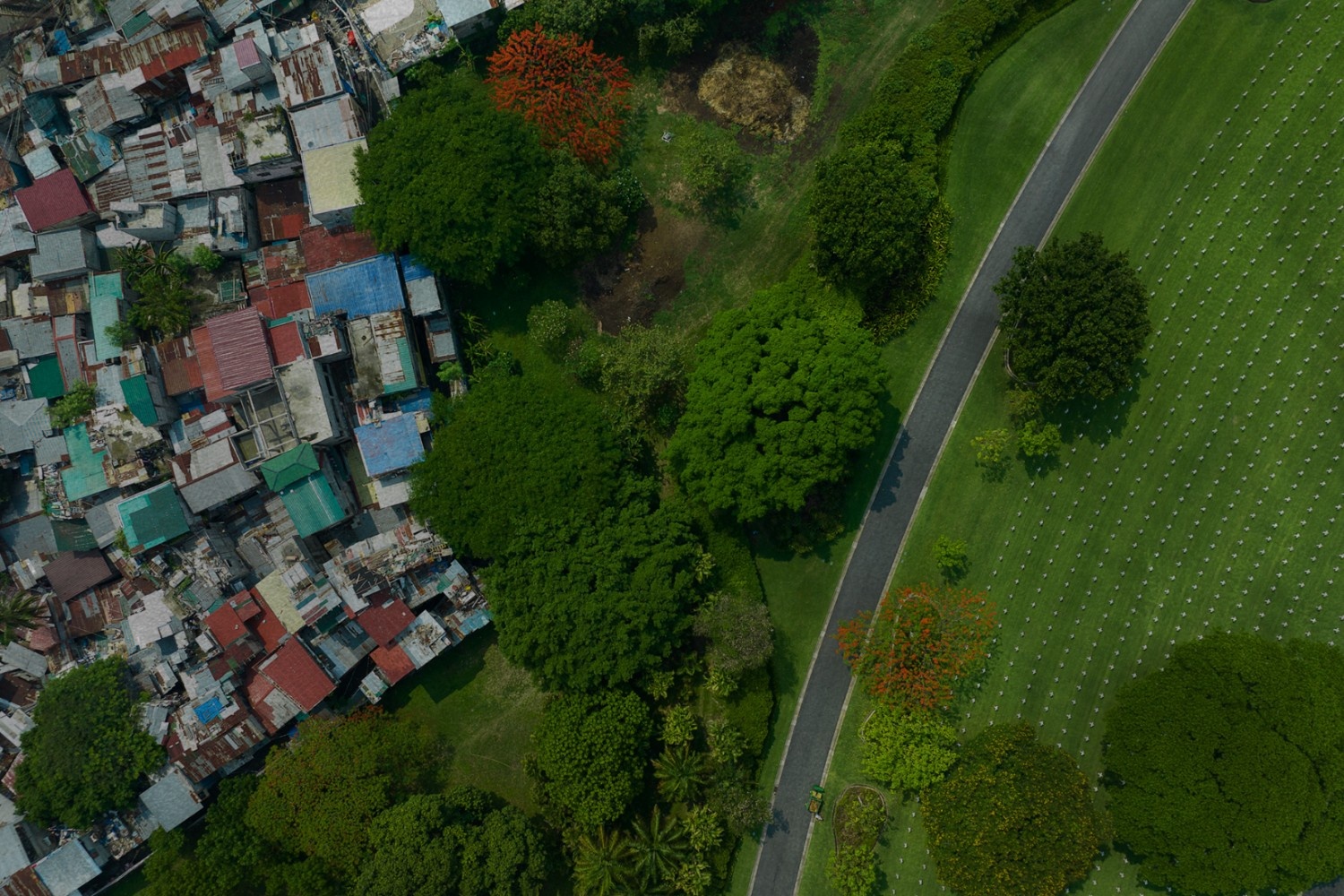
Metro Manila was not always this way. Older residents remember roads shaded by acacia, narra, and rain trees. Today, many of those same roads are bordered by concrete, steel, and asphalt that absorb and radiate heat throughout the day.
The consequences are becoming difficult to ignore. Heat indices regularly reach dangerous levels during summer. Flooding remains a recurring nightmare even after brief downpours. Air quality frequently deteriorates as traffic congestion combines with a shrinking urban canopy.
The controversy over Quirino Avenue highlights a larger question: What kind of city does Metro Manila want to become?
If the capital is to remain livable in the decades ahead, local governments and residents must rethink how urban spaces are designed. Here are five practical ways to bring nature back into the metropolis.
Turn rooftops and walls into green spaces
Thousands of commercial buildings, malls, schools, and government offices have flat rooftops that sit unused.
Local governments can require new developments to install green roofs or rooftop gardens that help absorb heat and rainwater. Existing structures can be encouraged through tax incentives and permit discounts.
Vertical gardens can also transform blank concrete walls along major roads such as EDSA, C-5, and Roxas Boulevard. Besides cooling buildings, they improve air quality and make dense urban districts more pleasant.
Create mini-forests instead of decorative landscaping
Many government projects spend millions on ornamental plants that provide little shade.
Instead, cities should establish urban forests using native species such as narra, molave, banaba, and balete. Small vacant lots, road easements, idle government properties, and even portions of large public parks can be converted into dense Miyawaki forests that grow rapidly and support biodiversity.
Residents can participate through tree-adoption programs and community maintenance efforts rather than relying solely on city workers.
Replace concrete with permeable surfaces
Metro Manila’s obsession with cement has made flooding worse.
Parking lots, sidewalks, school grounds, and public plazas can be redesigned using permeable pavement that allows rainwater to seep into the ground instead of overwhelming drainage systems.
Homeowners can help by replacing fully cemented front yards with grass, gardens, or tree plots that naturally absorb water while lowering surrounding temperatures.
Build hundreds of pocket parks
Not every neighborhood has room for a Luneta-sized park. But nearly every city has abandoned lots, unused road corners, vacant government land, and neglected spaces that could be transformed into green areas.
These pocket parks can be planted with shade trees, native plants, community gardens, and simple seating areas.
Cities such as Makati, Pasig, and Quezon City have already shown how small parks can improve neighborhoods. Imagine if every barangay in Metro Manila had at least one green space within walking distance.
The cumulative effect would be significant—not only in reducing heat but also in improving quality of life.
Bring rivers and waterways back to life
Many waterways in Metro Manila have been reduced to concrete channels designed solely to move water as quickly as possible.
Cities should restore riverbanks with vegetation, create linear parks along esteros, and preserve floodplains wherever possible. Even modest restoration projects can help reduce flooding, lower temperatures, and create habitats for birds and other wildlife.
The ongoing rehabilitation of the Pasig River offers a glimpse of what urban waterways can become when they are treated as public spaces rather than mere drainage canals.
Metro Manila’s environmental problems did not appear overnight, and they will not disappear overnight either.
But every tree preserved, every rooftop garden installed, every pocket park created, and every square meter of concrete replaced with greenery brings the city one step closer to recovery.
The debate over Quirino Avenue should not end with the trees that were lost. It should become the starting point for a larger conversation about how Metro Manila can become cooler, cleaner, and more resilient.
Because a city covered entirely in concrete cannot survive forever.
READ:
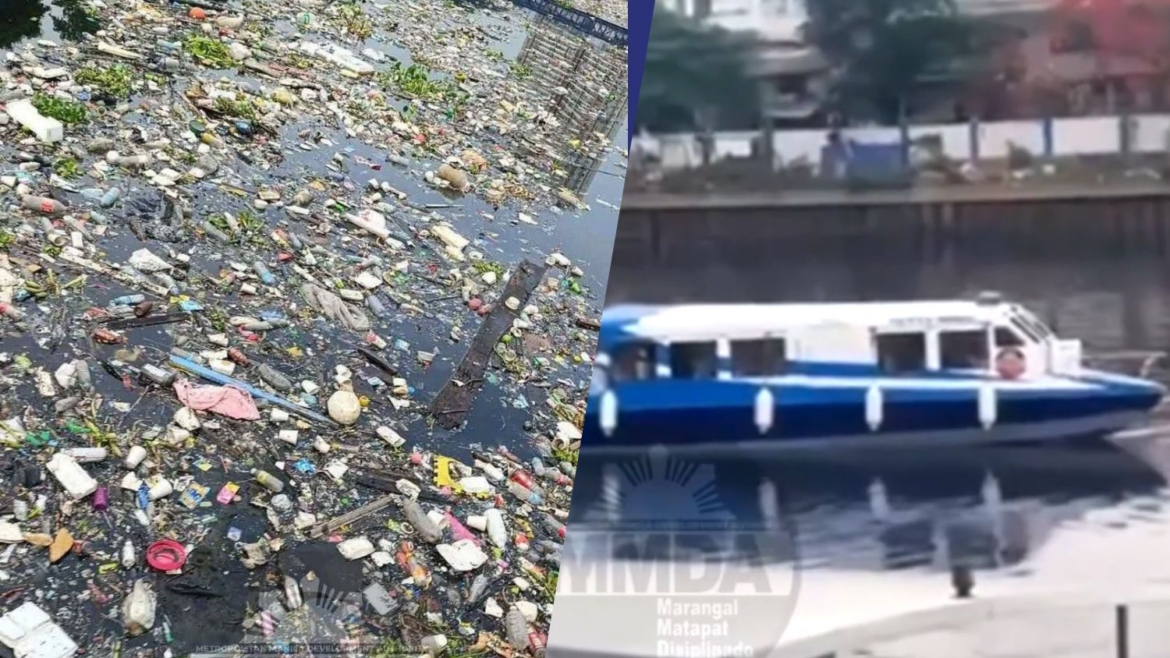
Pasig River Ferry suspended anew as waste clogs Metro Manila’s river route
John Lloyd Aleta
May 20, 2026
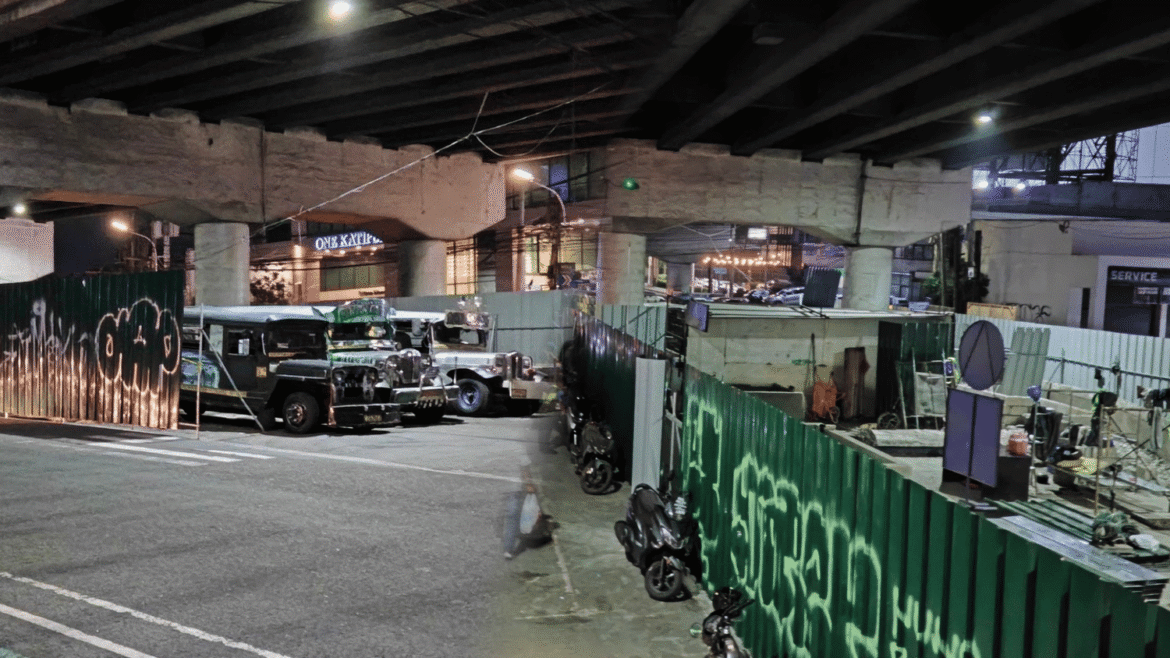
Katipunan jeepney terminal allegedly dismantled for MMDA green project
Kiara Gorrospe
May 29, 2026
Yes, there’s a cave within Metro Manila and most people have never heard of it
radar Lifestyle
June 1, 2026