From Arthur Nery to Zack Tabudlo and Adie: unpacking the “one long song” debate in OPM.
A man in his 40s is driving home from work when a familiar-sounding song comes on the radio.
The voice is soft and breathy. The arrangement starts with a few guitar chords. The lyrics talk about longing, heartbreak, or a love that slipped away. He listens for a few seconds and tries to guess the artist.
Is it Arthur Nery?
No, maybe Zack Tabudlo.
Perhaps Adie?
Or another singer entirely?
By the time the chorus arrives, he still has no idea who is singing—or what the title of the song is.
For many Filipinos who grew up during the era of Eraserheads, Rivermaya, Parokya ni Edgar, Regine Velasquez, Aegis, and Gloc-9, contemporary Filipino music can sometimes feel like one long playlist where the songs blend into one another.
So why do many Filipino songs today sound alike?
The business of heartbreak
The simplest answer is that the music industry has become very good at repeating what works.
For decades, heartbreak has been OPM’s most reliable product. Filipinos have always gravitated toward songs about love, loss, sacrifice, and longing. The modern version of this formula is what many call the “hugot” sound—melancholic ballads, intimate vocals, and lyrics designed to hit listeners directly in the feelings.
When one song becomes a hit, labels naturally look for artists who can recreate the same emotional experience. Before long, one successful sound becomes an entire radio format.
The TikTok Effect
Streaming platforms and social media have amplified the trend.
Songs are no longer competing only for radio airplay. They are competing for attention spans measured in seconds. Producers know that a catchy chorus, a relatable lyric, and a short runtime have a higher chance of going viral.
As a result, many songs are built around the same formula: soft opening, emotional buildup, memorable chorus, repeat.
Algorithms reward familiarity. The safer a song sounds, the easier it is for listeners to consume and share.
The Kundiman DNA
There is also a deeper cultural reason why Filipino songs often feel familiar.
Many modern OPM hits trace their roots to Kundiman, the traditional Filipino love song. These songs were built around longing, heartbreak, and emotional release.
Even when producers add contemporary beats, electronic elements, or indie-pop production, many songs still follow emotional and harmonic patterns that Filipino listeners have embraced for generations.
In a way, today’s pop songs are descendants of the same musical DNA.
The four-chord comfort zone
Like the rest of the world, mainstream OPM often relies on a handful of tried-and-tested chord progressions.
Different melodies may sit on top, but the harmonic foundation remains largely the same. This creates a sense of familiarity that makes songs instantly accessible—but also makes many of them sound interchangeable.
The formula works. That is precisely why it keeps getting used.
The real OPM is bigger than the charts
Yet it would be unfair to say Filipino music lacks originality.
The perception that all Filipino songs sound the same often comes from listening only to what dominates radio playlists and streaming charts.
Beneath the mainstream lies a thriving ecosystem of artists experimenting with jazz, funk, electronic music, folk, hip-hop, city pop, metal, and regional sounds.
P-Pop groups are blending Filipino languages with global pop production. Independent artists are reviving Manila Sound. Rap artists are pushing storytelling into new territory. Alternative bands continue to create music that sounds nothing like today’s chart-toppers.
It’s a visibility problem
Filipino music has never been more diverse.
The problem is not a lack of creativity. The problem is visibility.
When listeners hear only the songs that algorithms and major labels choose to amplify, it becomes easy to assume that every artist is singing the same heartbreak song over the same four chords.
But beyond the charts, a new generation of musicians is quietly proving otherwise.
The next great Filipino sound may already exist.
It just might not be the one playing on the radio.
READ:

OPM’s rising gem Isha Ponti dreams of collaborating with Sarah G, Yeng, and Maki
Rafael Asonza
May 31, 2026
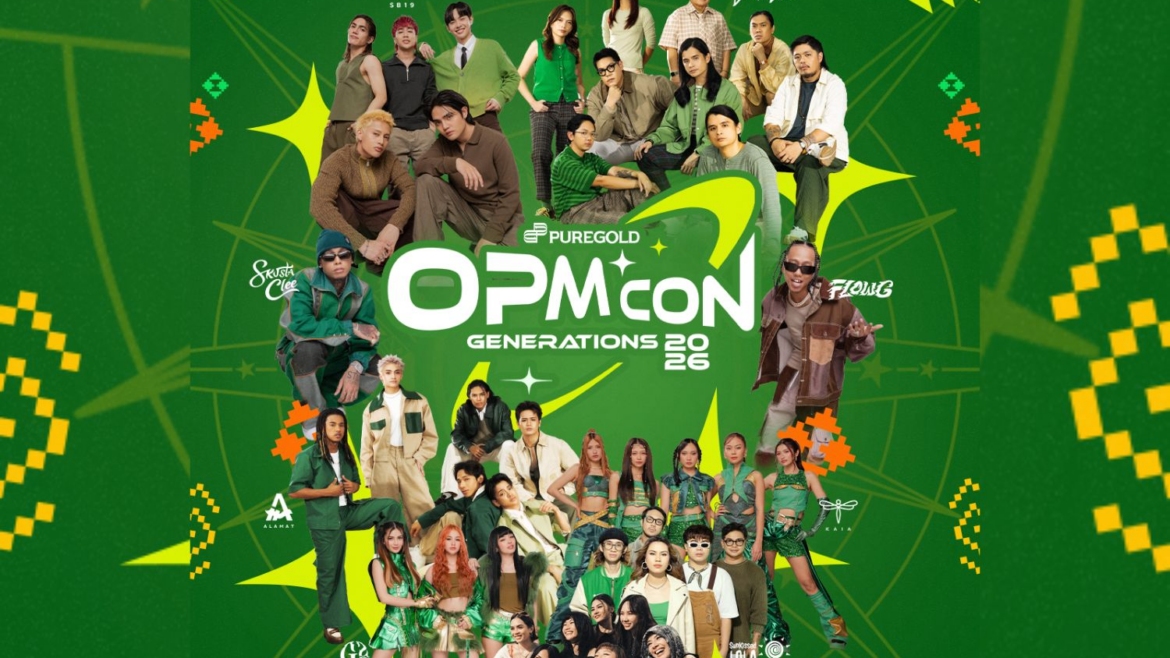
Puregold takes its flagship music event back to the Big Dome this July for OPM Con Generations
radar Entertainment
May 31, 2026

Groceries can now get you free tickets to Puregold’s OPM Con
radar Entertainment
June 9, 2026