When you are a kid, Katakataka feels like magic.
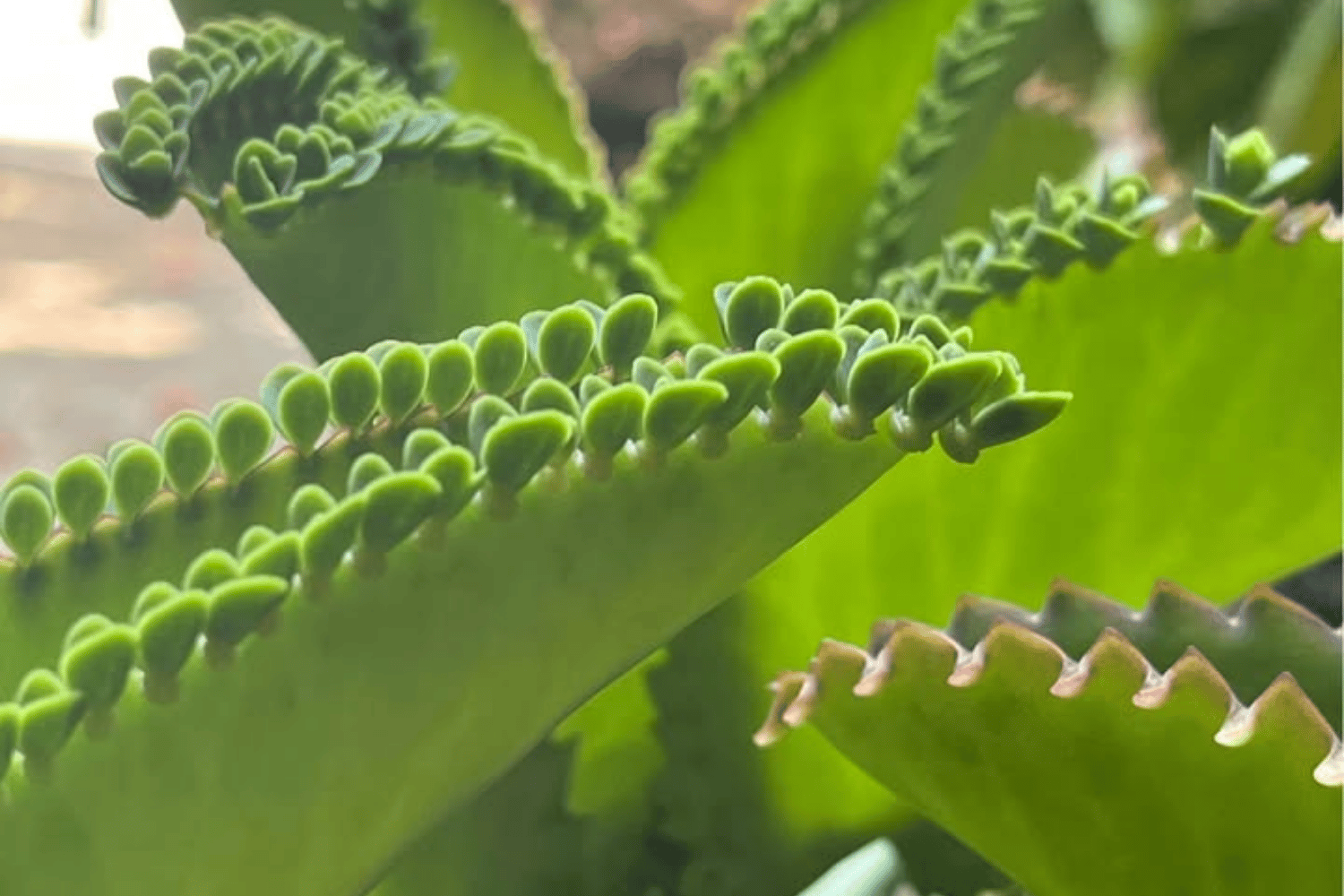
You pluck one of its thick green leaves, leave it on the ground, and return days later to discover dozens of tiny baby plants sprouting from its edges. It seems impossible. How can a single leaf suddenly give birth to an entire family of plants?
For many Filipino children, Katakataka is their first encounter with the wonders of nature. Long before they learn words like “propagation” or “botany,” they are already watching a miracle unfold in their own backyard.
Its name perfectly captures the experience. “Katakataka” literally means astonishing, amazing, or miraculous. In English, it is known as the Miracle Leaf, Life Plant, or Mother of Thousands—a reference to its extraordinary ability to reproduce from a single fallen leaf.
But Katakataka’s real miracle may not be how it grows. It may be how it heals.
Nature’s backyard first-aid kit
For generations, Filipinos have relied on Katakataka as a household remedy.
Before drugstores became common, grandparents often reached for its fleshy leaves whenever someone suffered a minor burn, cut, insect bite, or skin irritation. The leaves were crushed and applied directly to the affected area, providing a soothing, cooling sensation.
Headaches were treated with warmed Katakataka leaves placed on the forehead. Boils and skin infections were covered with leaf poultices to help reduce swelling and discomfort.
In many rural communities, the plant became a living medicine cabinet that required no prescription and could be harvested anytime.
Why it may actually work
Modern science has begun exploring what folk healers have known for decades.
Researchers have found that Katakataka contains compounds with anti-inflammatory, antimicrobial, and antioxidant properties. These substances may help explain why the plant has traditionally been used to calm irritated skin, support wound healing, and fight certain microorganisms.
Scientists continue to investigate its medicinal potential, although experts emphasize that home remedies should never replace proper medical care for serious conditions.
Still, it is remarkable that a plant growing beside a fence or in an old tin can contains compounds that continue to attract scientific interest.
The plant that refuses to die
Part of Katakataka’s charm is its stubborn resilience.
It thrives under the Philippine sun, survives long periods without water, and reproduces with astonishing ease. A single leaf can create dozens of new plants without any human assistance.
Unlike delicate ornamental plants that demand constant attention, Katakataka seems determined to survive no matter what.
A miracle hiding in plain sight
Today, Katakataka is often overlooked in favor of imported houseplants and trendy garden collections. Yet few plants can match its combination of beauty, resilience, and medicinal history.
The next time you spot one growing in a neighbor’s yard or in a forgotten corner of your garden, take a closer look.
That strange plant covered with tiny baby leaves is more than a botanical curiosity. It is a living reminder that some of nature’s most remarkable wonders are not found in distant rainforests or exotic destinations.
Sometimes, they are quietly growing right outside your door.
READ: