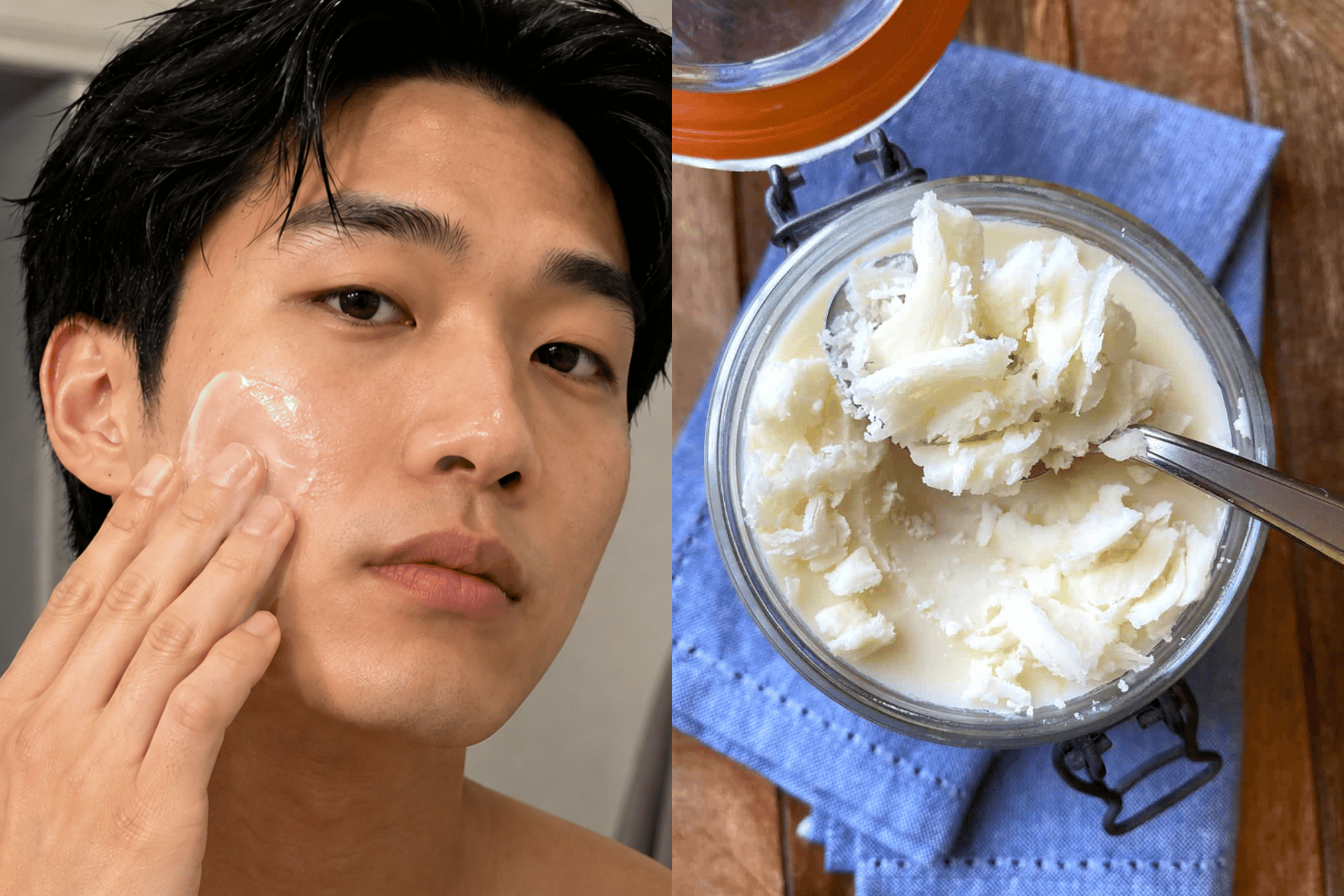
While science confirms it is an effective moisturizer for dry skin, experts warn that many viral claims go too far.
You scroll through TikTok or Instagram and there it is again: another glowing testimonial from someone who swears that beef tallow transformed their skin.
The claims are tempting. Softer skin. Fewer wrinkles. Clearer complexion. Even relief from eczema and psoriasis. Some influencers have gone as far as calling it “nature’s Botox” or saying it outperforms expensive moisturizers.
But once the social media hype fades, one question remains: Is tallow genuinely a skincare breakthrough—or simply another internet trend wrapped in rustic packaging?
The answer, according to current scientific evidence, lies somewhere in between.
What the science actually says
A 2024 scoping review published in Cureus and indexed in PubMed examined the available research on tallow and human skin. The authors found that beef tallow does possess legitimate skincare properties—but they also concluded that human clinical research remains surprisingly limited, making many viral claims impossible to verify.
The strongest evidence supporting tallow is also the least glamorous.
Tallow is an effective moisturizer.
Rich in saturated fats, it forms an occlusive layer over the skin that slows transepidermal water loss—the natural process by which skin loses moisture throughout the day. By locking water into the outer skin barrier, tallow can leave dry skin feeling softer and more supple, much like traditional ointments and heavy creams.
Scientists also point out that tallow contains fatty acids such as oleic, palmitic and stearic acids—the same lipids naturally present in human sebum, the oil our skin already produces.
Because of this similarity, researchers believe it may integrate well into a damaged skin barrier, which could explain why some people with extremely dry skin, eczema or psoriasis report relief after using it. However, the available evidence remains limited, and larger human trials are still needed before dermatologists can recommend it as a treatment.
The review likewise identified mild antimicrobial properties when tallow is incorporated into soaps and topical emulsions, suggesting it may help protect compromised skin from certain bacteria. Researchers emphasized that the evidence is still preliminary.
Where the hype goes too far
Where social media begins to outpace science is in claims about anti-aging.
Many tallow enthusiasts point to its natural vitamins A, D, E and K as proof that it can replace retinol or expensive serums.
Experts disagree.
While these vitamins are indeed present, respected medical institutions such as the Cleveland Clinic note that the concentrations are far too low to produce the clinically proven effects seen with prescription retinoids or well-formulated vitamin-based skincare products. In other words, tallow may moisturize the skin, but there is no strong evidence that it erases wrinkles, stimulates collagen production or reverses aging.
It isn’t for every skin type
Dermatologists also caution that what makes tallow excellent for dry skin can make it problematic for others.
Because it is a dense animal fat, it can clog pores and may worsen acne in oily or acne-prone individuals. Several dermatologists advise against using it as a facial moisturizer for people already prone to breakouts.
A separate 2025 analysis examining beef tallow claims circulating on social media reached an even broader conclusion: despite its exploding popularity online, there is still insufficient scientific evidence to support many of the dramatic skincare claims being promoted. The authors also noted that a significant portion of online promotion comes from individuals or businesses selling tallow-based products, raising concerns about financial bias.
The bottom line
If you have very dry skin and are looking for a simple occlusive moisturizer, current research suggests tallow may be a reasonable option, particularly if your skin tolerates rich emollients well.
But if you’re expecting it to replace prescription retinoids, erase wrinkles, cure acne or perform miracles simply because it’s “natural,” today’s science doesn’t support those promises.
For now, beef tallow appears to be exactly what it has been for centuries: a traditional fat with genuine moisturizing abilities—not a miracle ingredient, but not a myth either.
Studies referenced: 2024 Cureus scoping review on beef tallow for skin (PubMed), 2025 PubMed review on social media claims about beef tallow, and expert guidance from the Cleveland Clinic.
READ:

‘Metrosexual’ helped normalize skincare, fashion, and self-care among Filipino men in the early 2000s
radar Lifestyle
May 7, 2026
The unmistakable scent, the white finish—Chin Chun Su was peak ‘80s beauty
radar Lifestyle
April 3, 2026

Bebebalm founder Carol Ong on turning a personal need into a growing skincare brand
Kiara Gorrospe
November 7, 2025