The agency faces public criticism and demands for transparency regarding the Quirino trees.
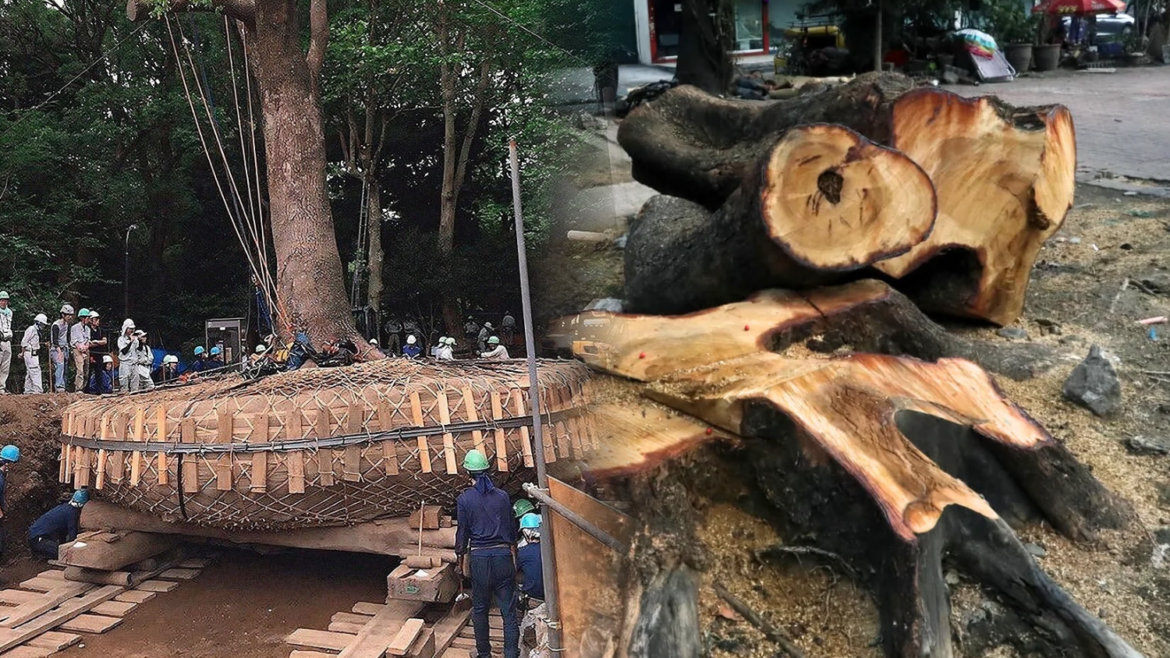
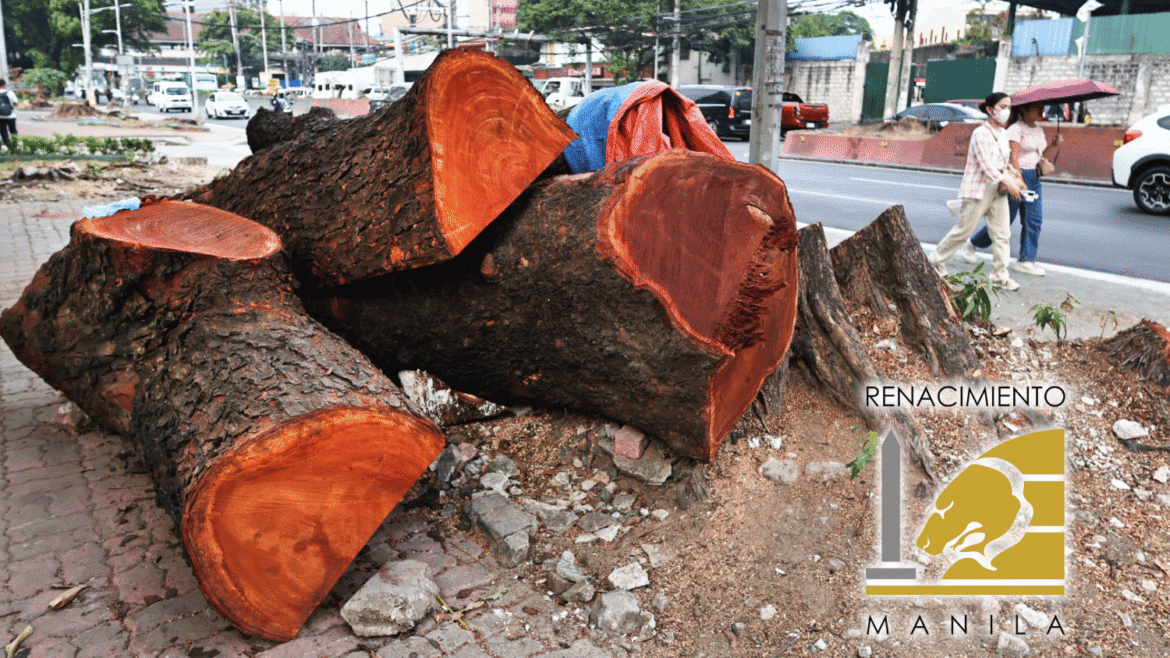
The Department of Environment and Natural Resources–National Capital Region has released a fresh series of updates on its earthballing operations along Quirino Avenue, reporting continued progress in the relocation of trees affected by San Miguel Corporation’s South Access Link Expressway project. Yet despite the steady stream of posts, the agency has remained silent on the question that has dominated public discussion for weeks: What happened to the decades-old trees that once lined the avenue?
In multiple Facebook posts over the past two days, DENR-NCR reported that 63 of the 94 affected trees have already undergone earthballing and transplantation.
The agency announced that the relocation of all three fire trees assigned to Plaza Azul in Manila has been completed, bringing the total number of transplanted trees at the site to 12.
It also reported progress in transferring caballero trees to the Manila Post Office Center Island. Initially, one tree was relocated, followed by another, before DENR-NCR announced that two more had been successfully earthballed and transplanted, bringing the total to four of the 11 caballero trees designated for the site.
According to the agency, all relocated trees remain under post-transplant care, with regular monitoring and maintenance being conducted to support their establishment and long-term survival.
The updates, however, have done little to quell criticism surrounding the controversial tree-cutting operations.
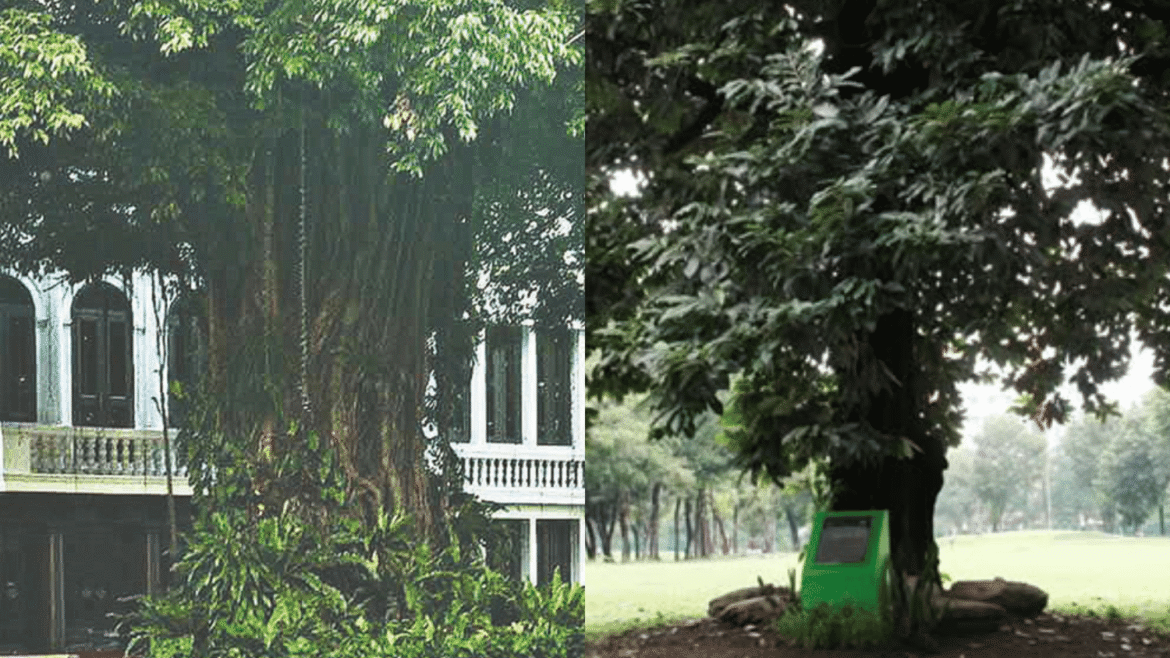
Photos accompanying the posts once again showed relatively small, sparsely foliated transplanted trees, prompting renewed questions from environmental advocates and netizens who have long wondered whether these are the same mature roadside trees that shaded Quirino Avenue for decades before construction began.
The controversy intensified after many social media users pointed out the stark difference between the newly transplanted trees and the massive canopy trees that were removed for the SALEX project.
Critics have also noted that DENR-NCR has limited public comments on several of its Facebook posts, preventing users from directly raising questions on the agency’s updates.
While DENR-NCR continues to release progress reports on earthballing activities, it has yet to directly explain the fate of the decades-old trees removed from Quirino Avenue—whether they survived transplantation, died during the process, or were ultimately cut down.
That unanswered question continues to fuel one of the country’s most closely watched environmental controversies, with many Filipinos calling for greater transparency on what became of the original urban trees that once defined one of Manila’s green corridors.
READ: